Common Lawn Diseases in Coastal North Carolina and How to Prevent Them
In Coastal North Carolina, a lawn can look healthy one week and show signs of damage the next. High humidity, warm temperatures, and frequent rainfall create the perfect environment for lawn diseases to take hold, especially in the Wilmington area. What starts as a small patch of discoloration can quickly spread if left untreated. Understanding the most common lawn diseases in our region is the first step to protecting your lawn and keeping it strong throughout the seasons.
The good news is that most lawn diseases can be prevented with proper care, timing, and maintenance practices. Knowing what to watch for and how to respond early can make the difference between a minor issue and widespread lawn damage.
Below are some of the most common lawn diseases seen in coastal North Carolina, along with practical prevention tips to help keep your lawn healthy throughout the year.
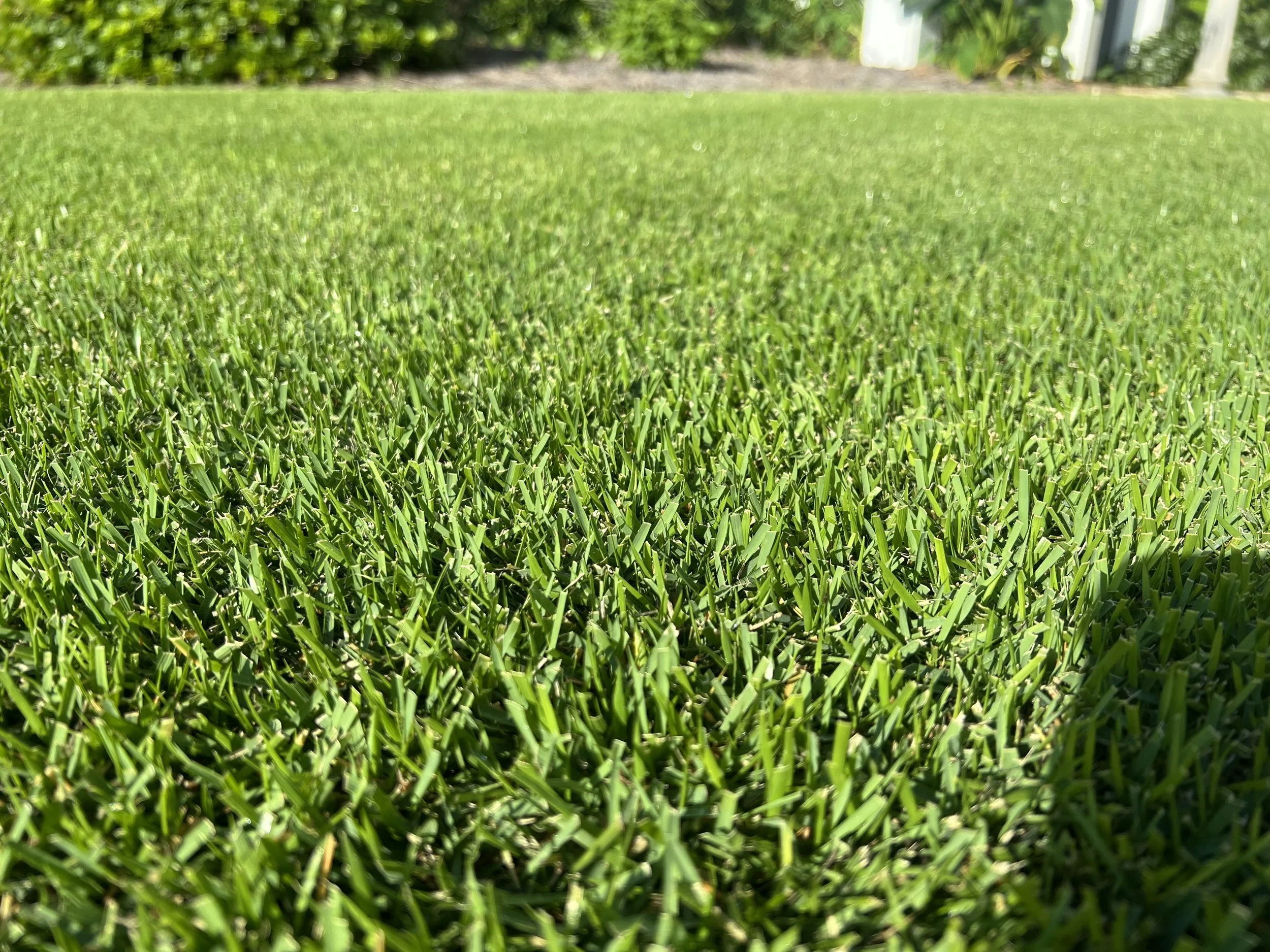
Healthy Coastal North Carolina Law
Brown Patch
Brown patch is one of the most common lawn diseases in the Wilmington area, especially during late spring and summer when temperatures stay warm and humidity levels remain high.
This disease usually appears as circular or irregular patches of brown or tan grass. In the early morning hours, a gray or smoky ring may be visible around the edges of affected areas. Brown patch spreads quickly when grass blades stay wet for extended periods.
Overwatering, watering late in the day, poor drainage, and limited air movement all contribute to the development of brown patch. Lawns with compacted soil or excessive thatch are particularly vulnerable.
To reduce the risk of brown patch, water early in the morning so grass blades have time to dry throughout the day. Avoid excessive irrigation during humid weather and improve airflow by trimming surrounding plants. Core aeration can also help improve drainage and overall soil health.
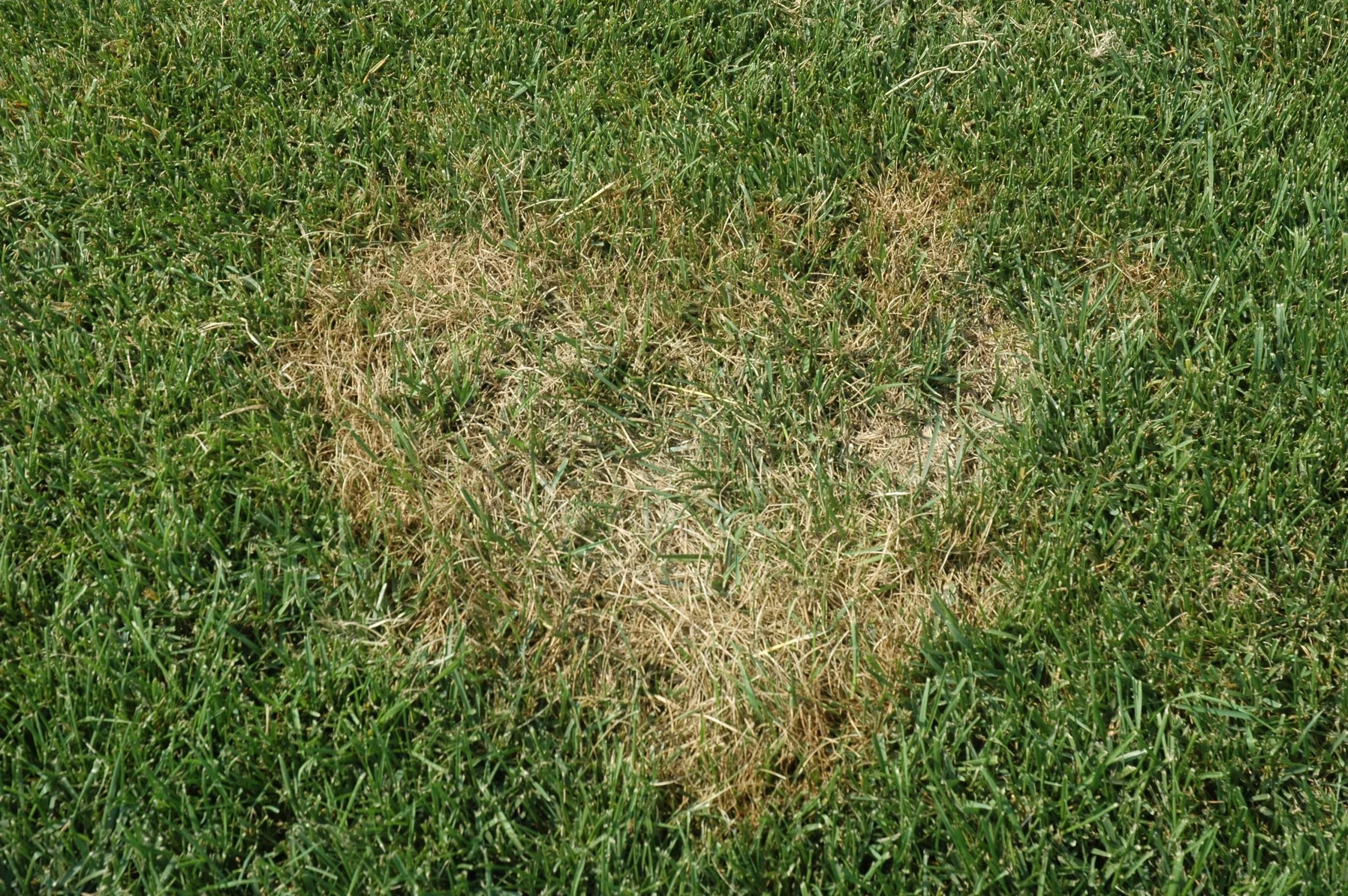
Brown Patch Lawn Damage
Dollar Spot
Dollar spot is another common lawn disease found throughout southeastern North Carolina. It can affect both warm season and cool season grasses, making it a frequent concern for many homeowners.
This disease gets its name from the small, round, straw colored spots it creates on the lawn. These spots are often about the size of a silver dollar and may grow together as the disease spreads.
Dollar spot often develops in lawns with low nitrogen levels, inconsistent watering, or prolonged leaf moisture from dew, rainfall, or irrigation.
Preventing dollar spot starts with maintaining proper fertilization and consistent watering practices. Mowing with sharp blades and avoiding mowing when grass is wet can also help reduce the spread of fungal spores.
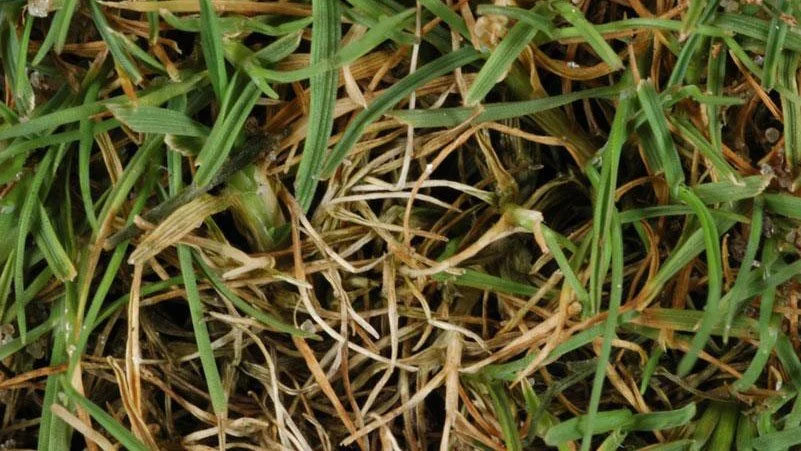
Dollar Spot Close Up
Leaf Spot and Melting Out
Leaf spot diseases are most common during cooler and wetter periods in spring and fall. If not managed early, leaf spot can progress into a more severe condition known as melting out, which can cause significant thinning of turf.
Early symptoms include small dark lesions on grass blades. As the disease advances, grass may weaken, thin out, and collapse in patches, leaving the lawn uneven and stressed.
These diseases thrive in shaded areas with poor drainage, excessive moisture, and heavy thatch buildup. Overwatering and mowing too low can further weaken grass and increase susceptibility.
To prevent leaf spot, avoid watering late in the day, maintain proper mowing height, and reduce thatch through aeration when needed. Improving sunlight exposure and airflow can also make a noticeable difference.
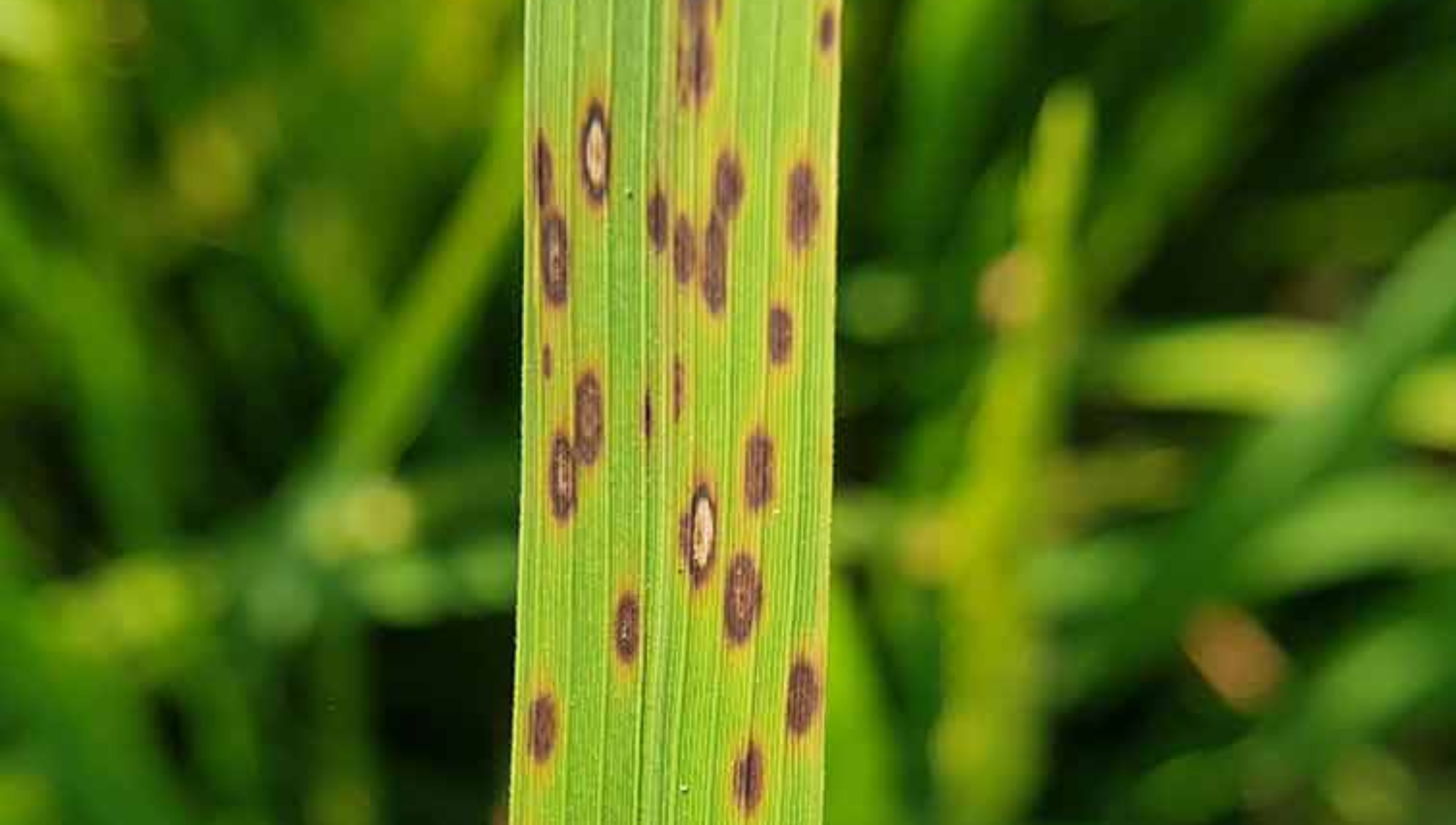
Leaf Spot Symptoms
Rust Disease
Rust disease commonly appears in late summer and early fall and is often mistaken for a nutrient deficiency. While rust rarely kills grass, it weakens turf and impacts overall lawn appearance.
Affected grass blades develop orange or reddish powder that can rub off onto shoes, pets, or lawn equipment. Lawns may appear dull, thin, and slow to recover from stress.
Rust is more likely to develop in lawns that are stressed due to low fertility, drought conditions, shade, or high humidity.
Maintaining proper fertilization, watering during dry periods, and improving sunlight exposure can help strengthen turf and reduce the likelihood of rust developing.
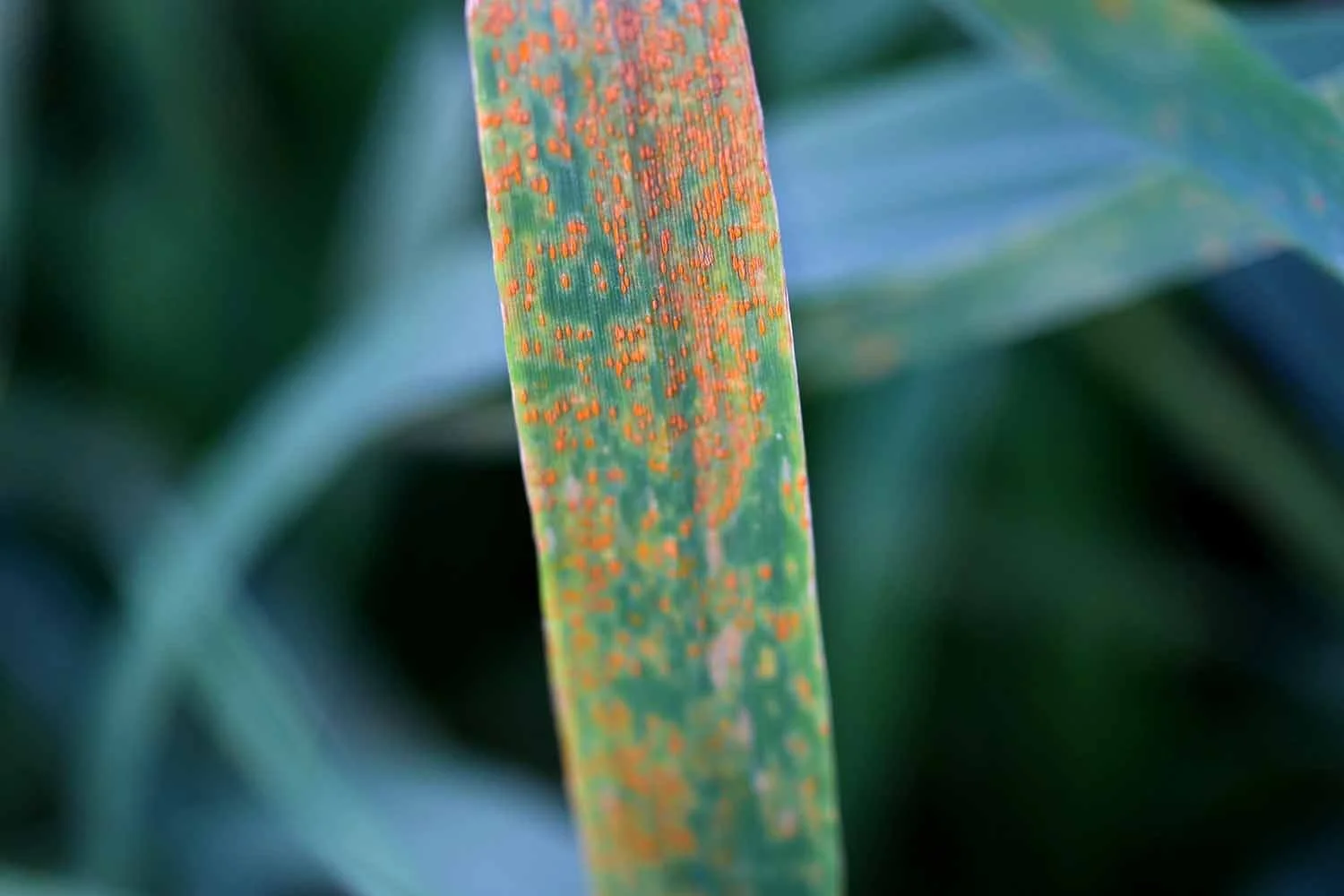
Rust Disease on Grass Blades
Red Thread
Red thread disease is most noticeable during spring and fall when temperatures are moderate and moisture levels remain high. It can appear suddenly and spread quickly under the right conditions.
This disease is identified by thin red or pink strands extending from grass blades, giving the lawn a reddish or pink tint. Although it can look severe, affected grass often recovers once conditions improve.
Red thread typically develops in lawns with low nitrogen levels combined with prolonged moisture and limited airflow.
Applying fertilizer according to soil test recommendations, avoiding excessive watering, and improving airflow around the lawn are effective ways to prevent red thread.
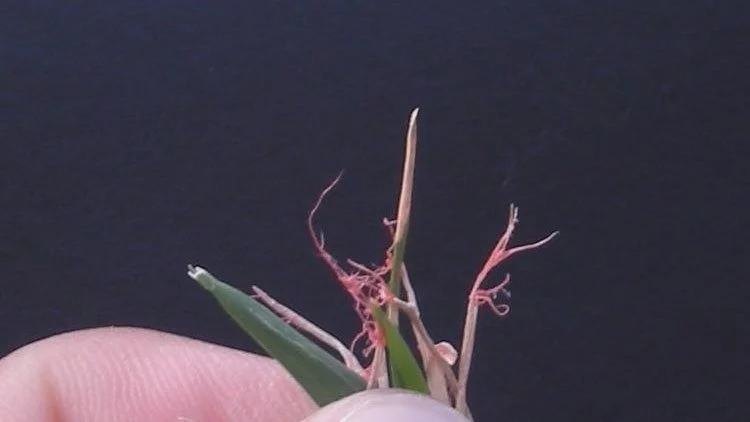
Red Thread Disease
Summer Patch
Summer patch is a more serious lawn disease that attacks grass roots rather than leaf blades, making it more difficult to detect early.
Symptoms usually appear during the hottest part of summer as irregular patches of thinning or dead grass that do not recover with watering. Affected turf may pull up easily due to weakened root systems.
Summer patch is associated with high soil temperatures, compacted soil, improper soil pH, drought stress, and excessive nitrogen applied in late spring.
Preventing summer patch requires a long term approach. Regular aeration, proper soil pH management, limiting nitrogen during warm months, and encouraging deep root growth through proper watering are all important steps.
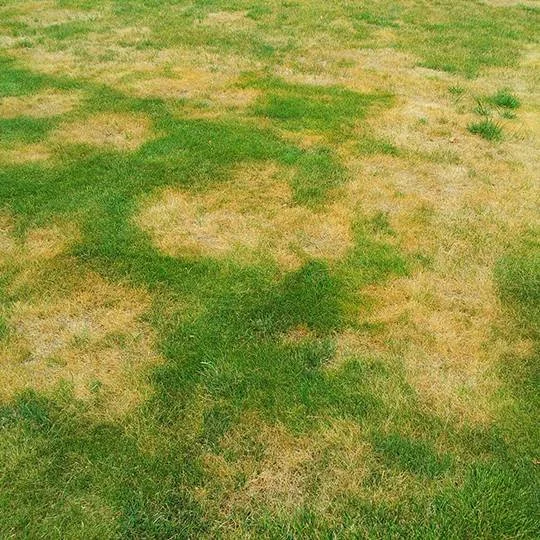
Summer Patch Lawn Damage
General Lawn Disease Prevention for Coastal North Carolina
While each lawn disease has specific causes, strong overall lawn care practices help prevent most turf problems in coastal North Carolina.
Water lawns deeply and early in the morning to reduce prolonged leaf moisture. Fertilize based on soil test results to avoid nutrient imbalances. Mow at the correct height for your grass type and avoid removing more than one third of the grass blade at a time.
Managing thatch and soil compaction through aeration improves airflow and drainage, making lawns less inviting to disease. Choosing grass types well suited for coastal conditions also supports long term lawn health.
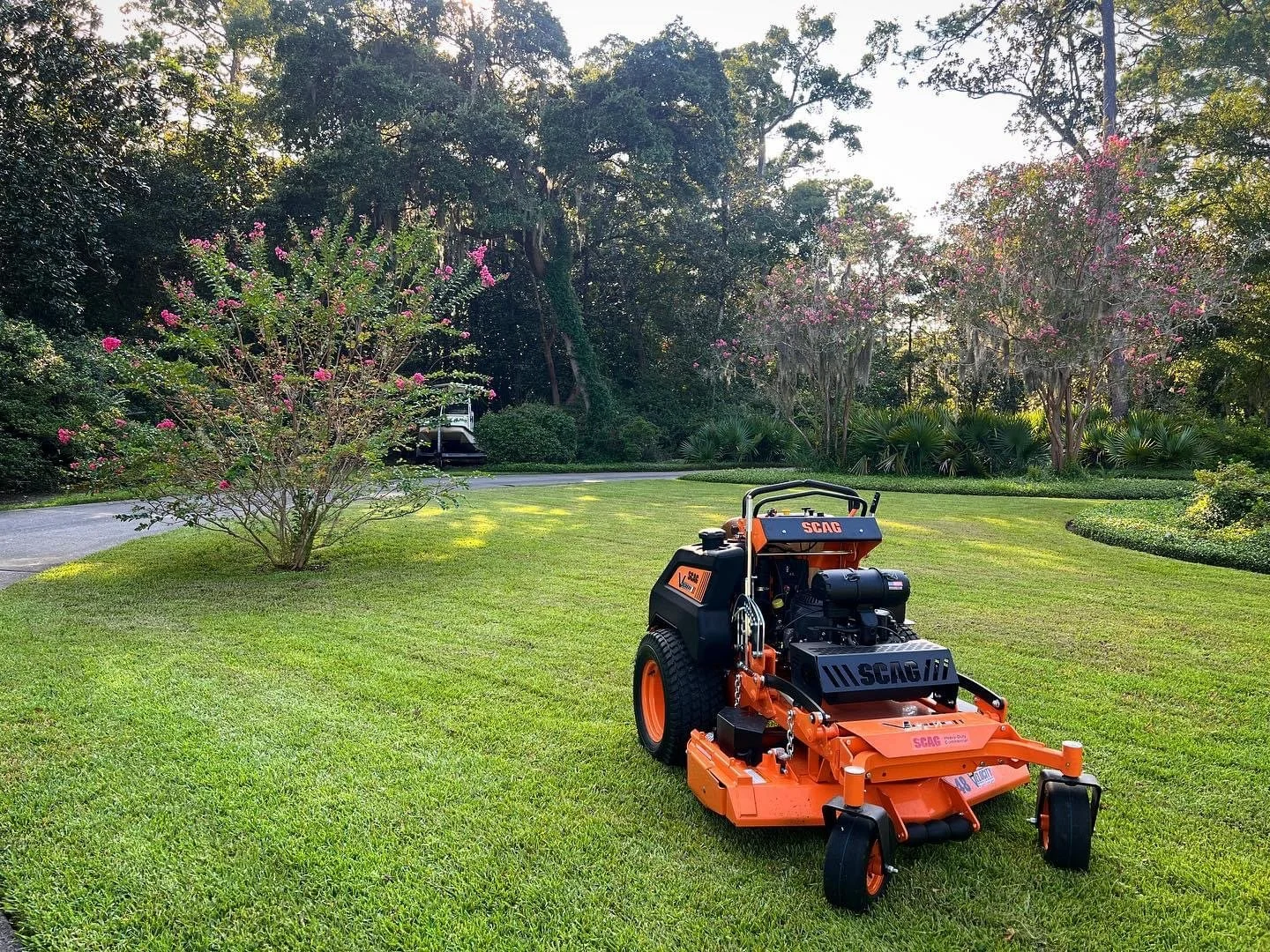
Lawn Maintenance or Professional Service
When to Seek Professional Help
If lawn damage spreads quickly, returns year after year, or does not improve with proper maintenance, professional diagnosis may be necessary. Lawn care professionals can identify the specific issue and recommend targeted treatments to protect your lawn.
Coastal North Carolina lawns require more than basic maintenance. They require informed care, proper timing, and an understanding of the conditions that impact turf health year round. If you want a lawn that is managed with intention and expertise, Green Side Up Of Wilmington offers professional solutions tailored to our local climate. From disease prevention to long term lawn health strategies, our team provides knowledgeable, detail driven care designed to protect your investment. Contact Green Side Up Of Wilmington today to schedule a consultation and experience a higher standard of lawn care.