

What Type of Sod Is Best for Shade?
One of the most common questions we hear at Green Side Up! of Wilmington is, "What type of sod is best for shade?" It's a great question, but the answer isn't as simple as choosing a grass labeled "shade tolerant." While some sod varieties perform better than others in lower light conditions, the reality is that growing a healthy lawn in the shade is one of the biggest landscaping challenges homeowners face in southeastern North Carolina.
Many properties throughout the Wilmington area are surrounded by beautiful mature live oaks, pines, and hardwood trees. These trees provide welcome shade during the hot summer months, but they also reduce the amount of sunlight that reaches your lawn. If you've noticed thin patches of grass, bare spots, or weeds taking over beneath trees or along the shaded side of your home, you're certainly not alone.
The good news is that there are grasses better suited for partial shade than others. The important thing to remember, however, is that no sod can thrive without adequate sunlight. Understanding how shade affects your lawn will help you choose the right grass and set realistic expectations for long-term success.
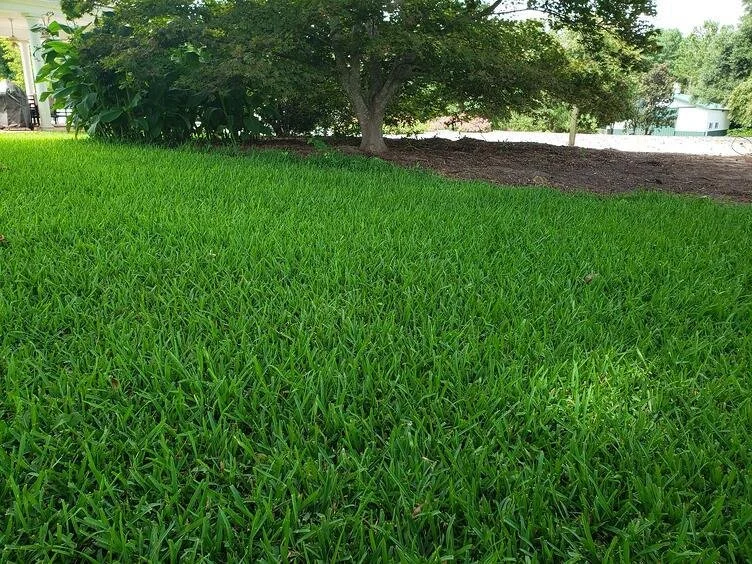
Why Is Shade So Hard on Grass?
Grass relies on sunlight to produce energy through photosynthesis. Without enough light, it cannot create the energy needed to grow strong roots or maintain healthy, green blades. As the amount of sunlight decreases, the grass becomes weaker and more vulnerable to stress.
In the Wilmington area, most warm-season grasses require approximately six hours of direct sunlight each day to remain healthy. Lawns that receive less than that often begin to struggle. Instead of thick, lush turf, homeowners may notice grass becoming thin, uneven, or slow to recover from normal wear and tear.
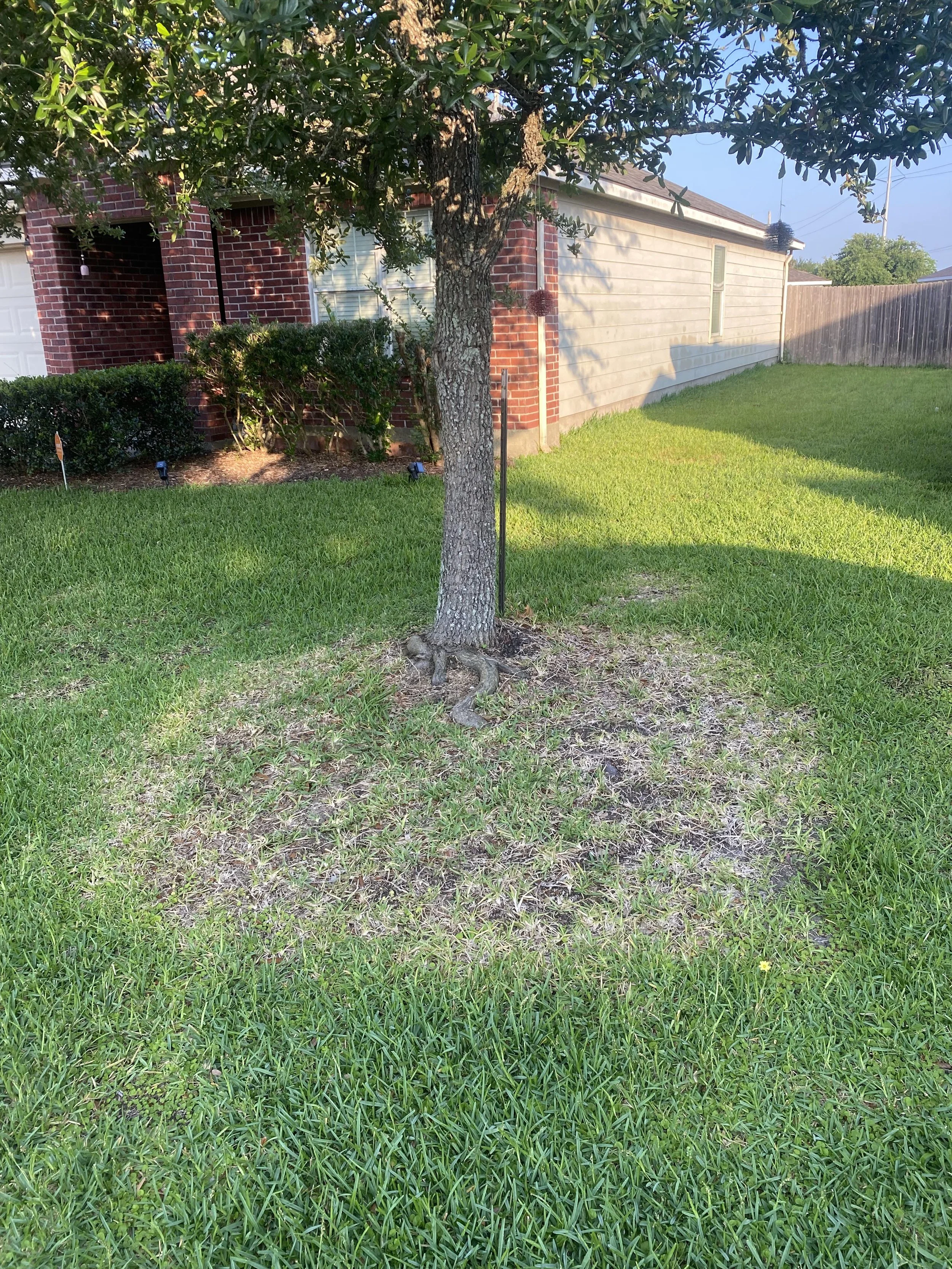
Shade also creates other challenges. Areas beneath trees tend to stay damp longer after rain or irrigation, reducing air circulation around the grass. This extra moisture can increase the likelihood of lawn diseases, while tree roots compete with turf for water and nutrients below the surface. Even with proper watering and fertilization, these shaded conditions make it difficult for grass to establish itself.
Many homeowners assume adding more fertilizer or watering more frequently will solve the problem. Unfortunately, sunlight is the one thing you simply can't replace.
The Best Sod for Partial Shade
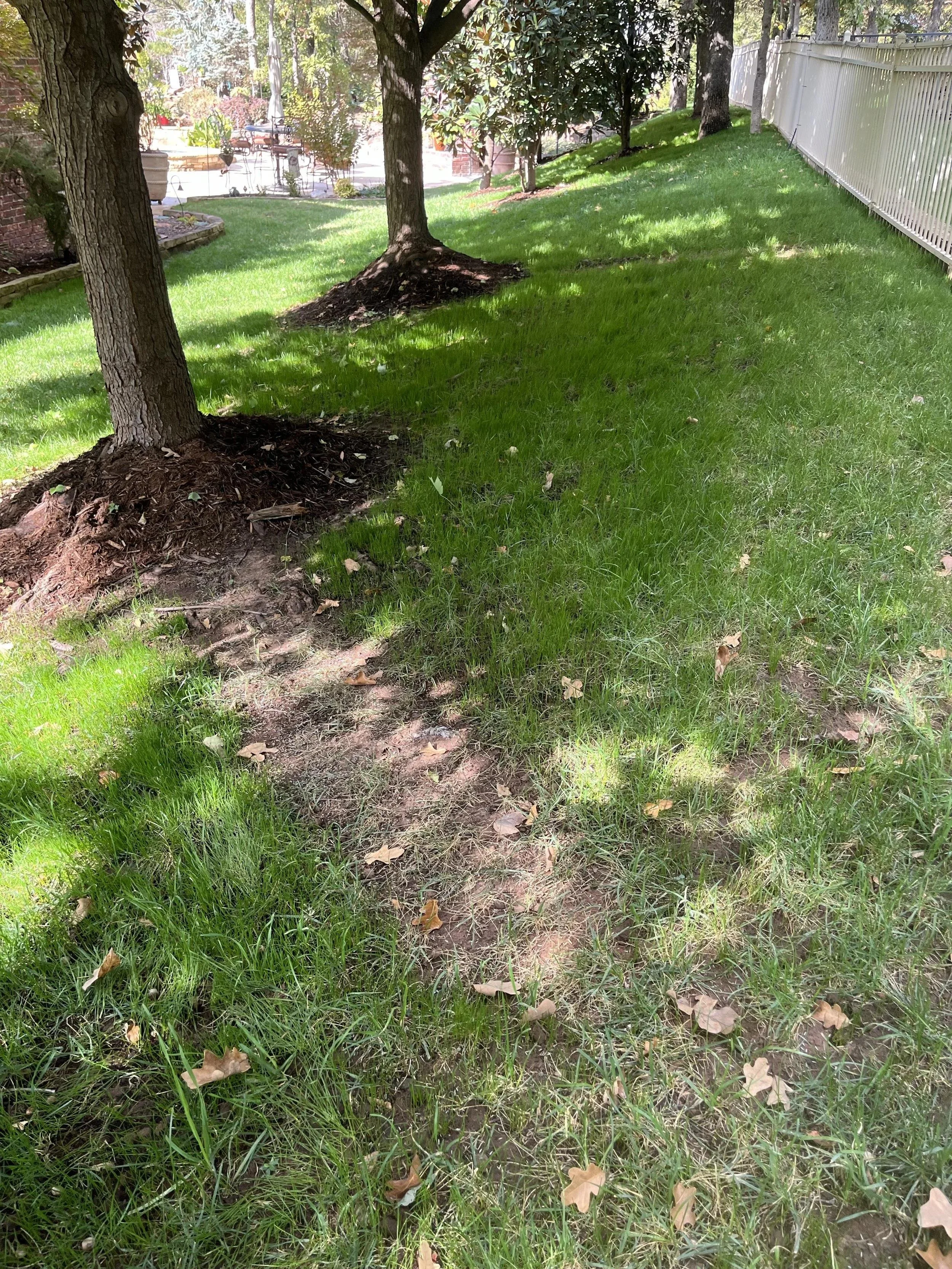
If your lawn receives several hours of direct sunlight but also experiences periods of shade throughout the day, St. Augustine grass is generally considered the best choice for our area.
Among the warm-season grasses commonly grown in coastal North Carolina, St. Augustine offers the greatest tolerance for shade. Its broad leaf blades allow it to capture available sunlight more efficiently than finer-bladed grasses such as Bermuda, making it better suited for yards with filtered sunlight or afternoon shade.
St. Augustine also creates a dense, attractive lawn with a rich green color that complements many Wilmington landscapes. Once established, it performs well in the warm temperatures and humidity that characterize our coastal climate.
However, it's important to understand that shade tolerant does not mean shade loving. Even St. Augustine still needs around six hours of direct sunlight every day to remain healthy. If an area spends nearly the entire day beneath dense tree cover or in the shadow of a building, the grass will eventually begin to thin no matter how well it is maintained.
How Does It Compare to Other Sod Varieties?
Many homeowners ask whether another type of sod might perform better in shady areas. While several grasses are popular throughout North Carolina, each has its strengths and limitations.
Bermuda grass is an excellent choice for properties with abundant sunshine. It grows quickly, recovers well from foot traffic, and creates a durable lawn. However, Bermuda requires full sun and is one of the least shade-tolerant warm-season grasses available. In shaded conditions, it often becomes sparse and weak.
Zoysia grass provides moderate shade tolerance and can perform reasonably well in areas with filtered sunlight. It develops a dense lawn and offers excellent durability, but it still prefers sunny conditions and generally won't perform as well as St. Augustine where shade becomes more significant.
Centipede grass remains a popular option because it requires relatively little maintenance compared to other turf varieties. Although it tolerates some shade, it often becomes thin beneath mature tree canopies and usually struggles when sunlight is consistently limited.
For lawns that receive partial shade while still getting enough daily sunlight, St. Augustine continues to be the strongest choice for homeowners throughout the Wilmington area.
When Sod May Not Be the Best Solution
Sometimes the issue isn't selecting the wrong type of grass. Sometimes the location simply doesn't receive enough sunlight for any turfgrass to survive.
If you've replaced sod multiple times in the same shaded area only to watch it disappear again, the problem is likely the environment rather than the grass itself.
In these situations, forcing grass to grow often becomes an ongoing cycle of frustration and unnecessary expense. Instead, it may be worth considering a different landscape design for those heavily shaded spaces.
Landscape beds filled with shade-tolerant ornamental plants and fresh mulch can transform difficult areas into beautiful focal points while reducing maintenance and improving the overall appearance of your property. Rather than constantly battling nature, working with the conditions your yard provides often creates a healthier and more sustainable landscape.
A professional landscaping company can help determine whether installing sod is the best investment or whether another design solution would better serve your property.
Helping Your Lawn Perform Its Best
If your yard receives enough sunlight for St. Augustine, proper maintenance can make a noticeable difference in how well your lawn performs.
Regularly pruning tree canopies allows more sunlight and airflow to reach the grass below. Mowing at the recommended height encourages deeper root growth while allowing the blades to capture as much sunlight as possible. Avoiding unnecessary foot traffic in shaded sections also helps reduce stress on turf that is already working harder to survive.
It's equally important to water appropriately. Since shaded lawns tend to stay moist longer than areas in full sun, overwatering can create additional problems. Watering only when needed encourages healthier roots and helps minimize disease issues.
Although these maintenance practices cannot overcome deep shade, they can significantly improve the health and longevity of grass growing in partially shaded conditions.
Every Property Is Different
Every landscape has its own unique combination of sunlight, drainage, soil conditions, and existing trees. Two neighboring homes can have completely different growing conditions depending on the orientation of the house and the amount of tree cover surrounding the property.
That's why choosing the right sod should never be based solely on what worked for someone else. Evaluating how much sunlight your lawn actually receives is one of the most important steps before installing new grass.
If your lawn receives around six hours of direct sunlight each day, St. Augustine is generally the best choice for shaded areas in coastal North Carolina. If it receives significantly less than that, alternative landscape solutions will often provide better long-term results than repeatedly replacing struggling sod.
Let Green Side Up! of Wilmington Help
At Green Side Up! of Wilmington, we understand that every yard is different. Our team takes the time to evaluate your property's sunlight, drainage, soil conditions, and overall landscape before recommending the best solution for your lawn.
For most partially shaded properties in the Wilmington area, St. Augustine grass offers the best shade tolerance of the warm-season sod varieties commonly grown in our region. However, even the best grass cannot overcome a lack of sunlight. Choosing the right sod, and knowing when another landscape solution is the better investment- can save you time, money, and frustration for years to come.
Whether you're installing a new lawn, replacing struggling grass, or redesigning shaded areas of your landscape, Green Side Up! of Wilmington is here to help. Contact our team today to schedule a consultation and let us create a landscape that's designed to thrive in your property's unique conditions.
How to Create a Realistic Budget for Your Landscaping Project
One of the most common questions homeowners ask before starting a landscaping project is, "How much is this going to cost?"
The truth is, there isn't a one-size-fits-all answer. While you can find countless landscaping cost calculators and averages online, every property is different. The size of your yard, the condition of the existing landscape, the materials you choose, the size of the plants being installed, and the overall scope of the project all play a role in determining the final investment.
At Green Side Up! Of Wilmington, we believe the best way to create a realistic landscaping budget is to start with a plan and work with a professional who can help you understand your options. Here are a few things to consider when budgeting for your next landscaping project.
Start With Your Goals
Before discussing costs, think about what you want your landscape to accomplish.
Are you looking to:
Improve curb appeal?
Create an outdoor entertaining space?
Increase privacy?
Solve drainage issues?
Install a low-maintenance landscape?
Refresh outdated landscaping?
Having a clear vision helps prioritize where your budget should be spent. Some homeowners are focused on creating a beautiful front entrance, while others want to transform their entire backyard into an outdoor living space. Knowing your goals from the beginning helps guide the planning process and ensures you're investing in features that matter most to you.
Understand That Every Project Is Different
One of the biggest misconceptions about landscaping is that there is a standard price for every project.
In reality, landscaping costs can vary significantly based on several factors, including:
Property Size
A larger property naturally requires more materials, more plants, and more labor than a smaller yard.
Plant Selection
The size and type of plants chosen can dramatically affect your budget. Installing young shrubs and trees is typically less expensive than installing larger, mature specimens that provide immediate impact.
Materials
Material choices can influence overall costs. Natural stone, decorative pavers, retaining wall systems, lighting, and specialty features all come with different price points.
Site Conditions
Existing drainage problems, poor soil conditions, grading issues, tree removal, or erosion concerns may require additional work before landscaping can begin.
Scope of Work
A simple landscape refresh will have a very different budget than a complete outdoor renovation that includes hardscaping, irrigation, lighting, and extensive planting.
Because of these variables, online averages should be viewed as rough estimates rather than exact pricing.
Focus on Priorities First
If you're working within a specific budget, prioritize the most important aspects of your project first.
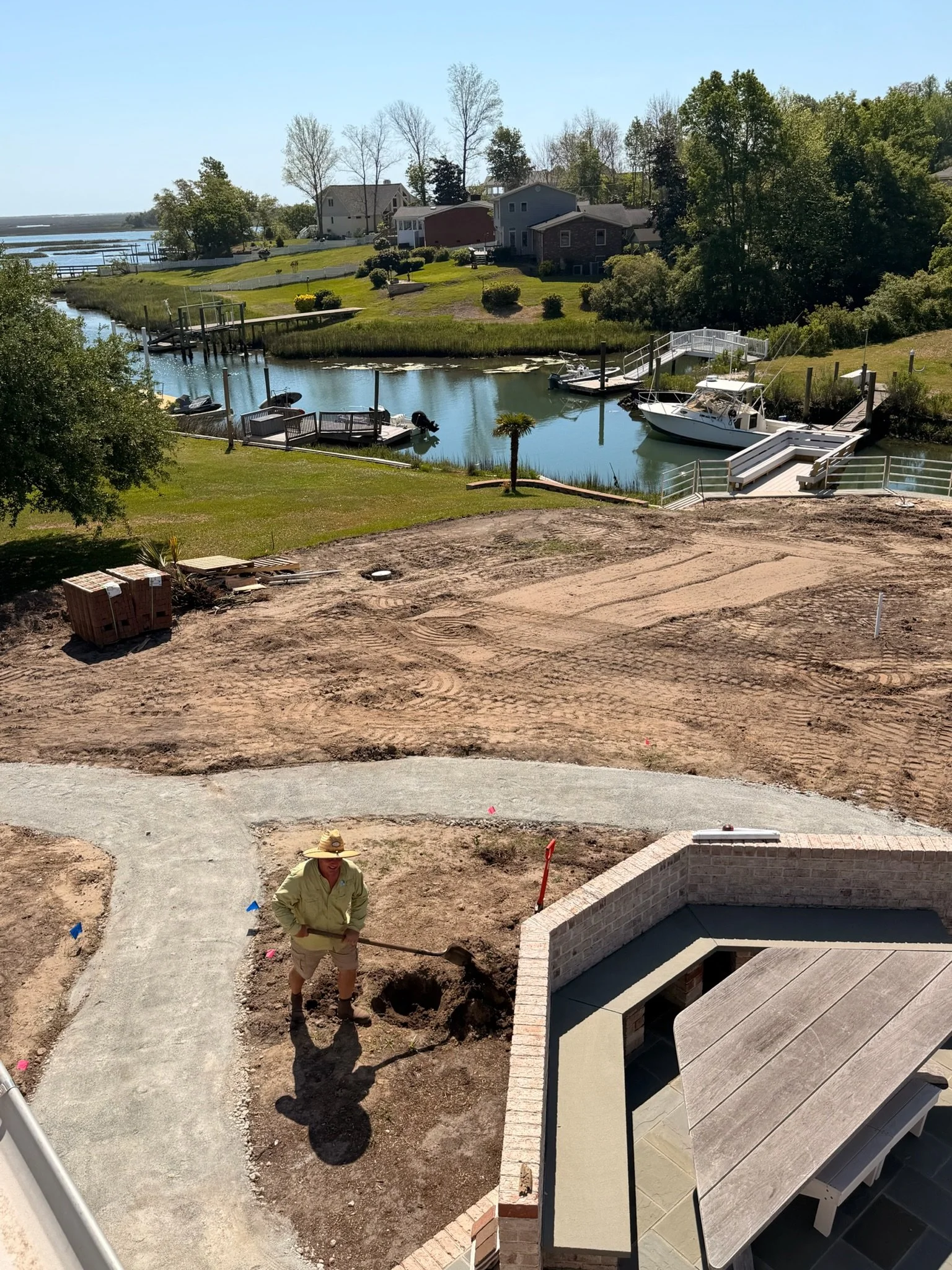
For example, it may make sense to address drainage issues before adding decorative features. Likewise, installing a patio may take priority over adding landscape lighting if your primary goal is creating an outdoor gathering space.
A professional landscaper can help identify which improvements will have the greatest impact and help you allocate your budget accordingly.
Consider Phasing Your Project
Many homeowners assume they need to complete everything at once, but that's not always necessary.
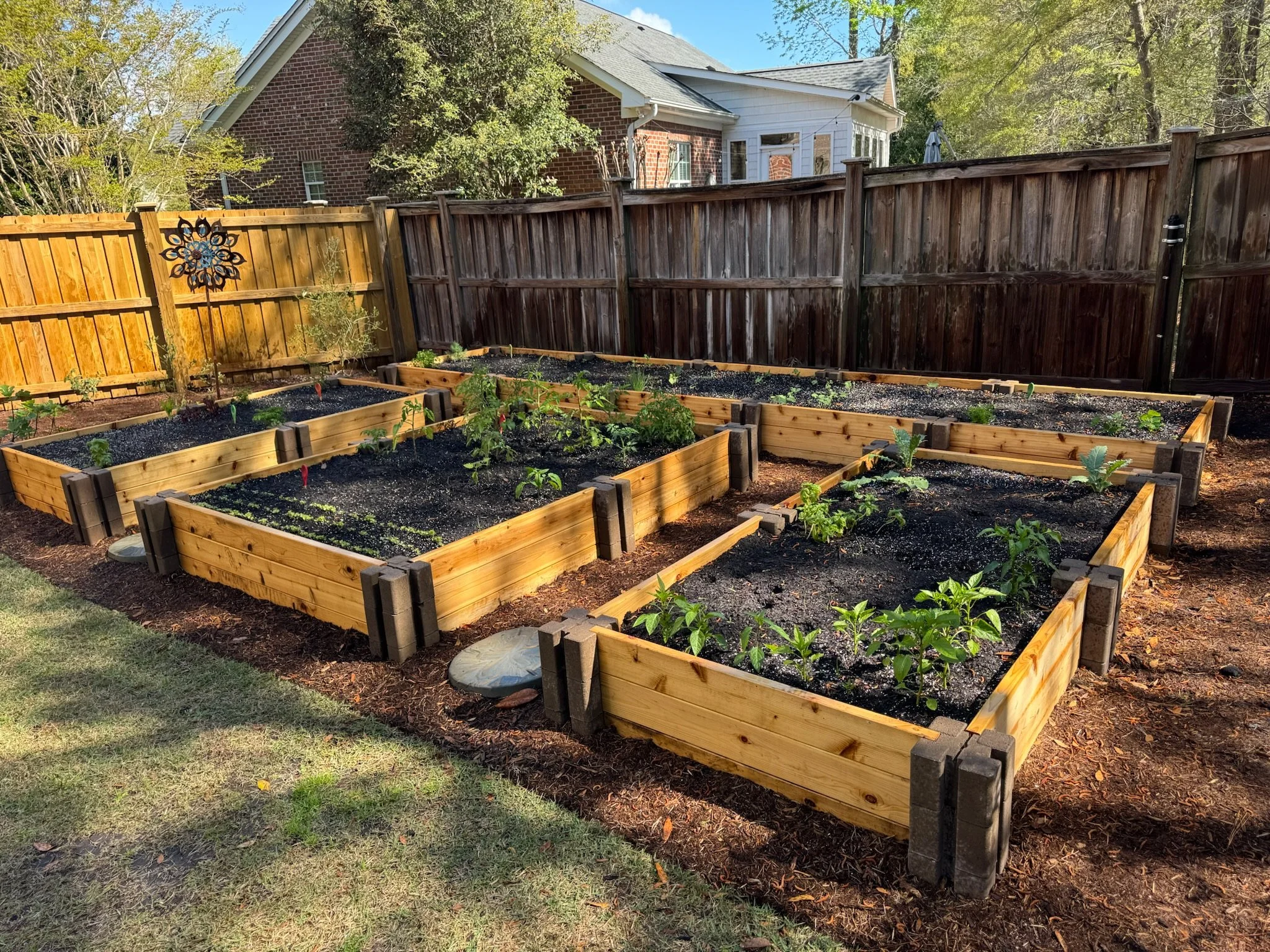
Breaking a landscaping project into phases can make larger transformations more manageable financially.
For example:
Phase One
Drainage corrections
Grading
Site preparation
Phase Two
Patios
Walkways
Retaining walls
Phase Three
Trees and shrubs
Flower beds
Mulch
Landscape lighting
By creating a long-term plan, you can spread costs over time while ensuring each phase works together cohesively.
Think Beyond Installation Costs
When budgeting for landscaping, it's important to consider long-term maintenance as well.
Questions to ask include:
How much watering will be required?
Will the plants need frequent pruning?
How often will mulch need to be replaced?
Are irrigation systems necessary?
What ongoing maintenance will be needed to keep the landscape looking its best?
A landscape should not only fit your installation budget but also your maintenance expectations and lifestyle.
Leave Room for the Unexpected
Even well-planned projects can uncover surprises once work begins.
Hidden drainage issues, poor soil conditions, root systems, or additional site preparation needs can sometimes affect the final scope of work.
Setting aside a contingency fund can help provide flexibility if unexpected conditions arise during installation.
The Most Important Step: Consult a Professional
While budgeting tools and online estimates can provide a general starting point, they can never fully account for the unique characteristics of your property.
The reality is that landscaping costs vary based on countless factors, including plant size, material selection, site conditions, labor requirements, and overall project goals. Two projects that look similar online can have completely different budgets in real life.
That's why consulting with a landscaping professional is one of the most important steps in the budgeting process.
A professional can visit your property, evaluate existing conditions, discuss your goals, and provide recommendations tailored specifically to your space and budget. They can also help prioritize projects, suggest alternatives when needed, and develop a phased plan that allows you to achieve your vision over time.
Most importantly, professional guidance helps eliminate guesswork and gives you a realistic understanding of what your project may require.
Final Thoughts
Creating a landscaping budget doesn't have to be overwhelming. By identifying your goals, understanding the factors that influence costs, prioritizing improvements, and planning ahead, you can make informed decisions about your outdoor investment.
However, the best way to determine a realistic budget is to consult with a landscaping professional. Every property is unique, and every project comes with its own opportunities and challenges.
At Green Side Up! Of Wilmington, we're here to help homeowners create customized landscaping solutions that fit their needs, vision, and budget. Whether you're considering a simple landscape refresh or a complete outdoor transformation, our team can help you understand your options and develop a plan that works for your property.
Ready to get started? Contact Green Side Up! Of Wilmington today to schedule a consultation and take the first step toward creating the outdoor space you've been dreaming of.
Artificial Turf vs. Natural Grass: Why Wilmington Homeowners Should Think Twice Before Making the Switch!
As landscaping professionals, we understand why artificial turf has become an appealing option for some homeowners. The promise of a green lawn year-round without mowing or fertilizing can sound like the perfect solution. However, here at Green Side Up! Of Wilmington, we believe it's important to look beyond the marketing and consider how artificial turf actually performs in our unique coastal North Carolina climate.
While synthetic grass may offer a few conveniences, there are several reasons why natural grass continues to be the better choice for most Wilmington homeowners.
The Appeal of Artificial Turf
There's no denying that artificial turf has some advantages. It requires no mowing, stays green throughout the year, and doesn't need traditional lawn treatments. For some homeowners, particularly those with small decorative spaces, these benefits can be attractive.
However, what many people don't realize is that artificial turf comes with several drawbacks that become especially noticeable in Wilmington's hot, humid environment.
Wilmington Summers and Artificial Turf Don't Mix
One of the biggest concerns with artificial turf is heat retention.
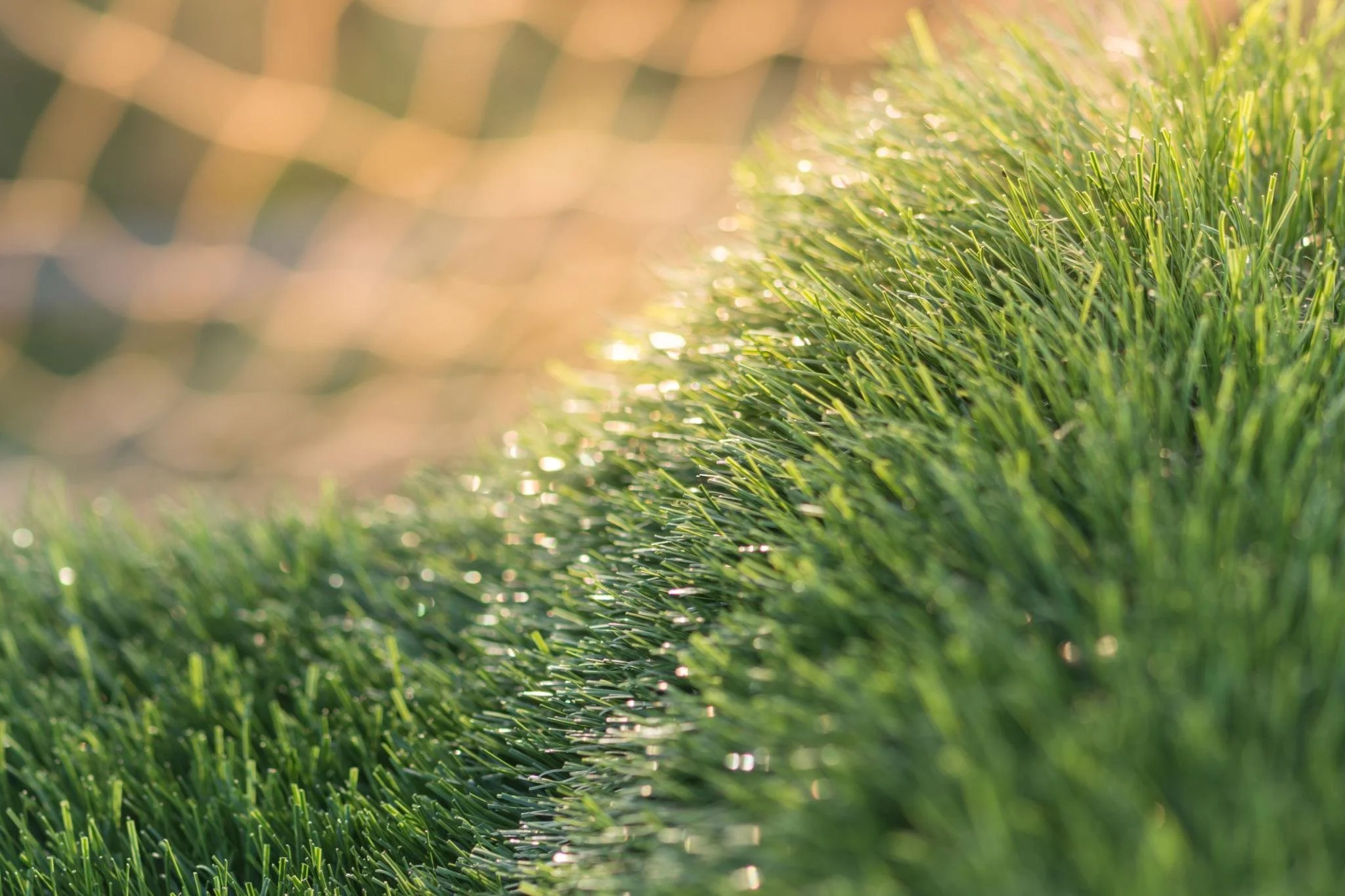
Unlike natural grass, which naturally cools itself through moisture and root systems, artificial turf is made from synthetic materials that absorb and hold heat. On hot summer days, the surface temperature of artificial turf can become significantly hotter than the surrounding air.
In Wilmington, where summer temperatures regularly reach the upper 80s and 90s, artificial turf can become uncomfortably hot for children, pets, and anyone walking barefoot. Many homeowners are surprised to discover that their beautiful green lawn is too hot to enjoy during the very months they want to spend the most time outdoors.
Natural grass, on the other hand, provides a cooler surface that makes outdoor living spaces far more comfortable throughout the summer.
It's Not Truly Maintenance-Free
A common misconception is that artificial turf eliminates lawn maintenance altogether. While you won't have to mow, synthetic grass still requires regular care.
Leaves, pine straw, pollen, and debris must be removed to keep the turf looking its best. Pet owners often need to clean and deodorize the surface regularly, especially during the warmer months. Weeds can also emerge around the edges and seams, requiring ongoing attention.
Living in a coastal area like Wilmington means dealing with seasonal pollen, storms, and debris throughout the year. Artificial turf may reduce some maintenance tasks, but it certainly doesn't eliminate them.
Artificial Turf Doesn't Support a Healthy Landscape
Natural grass does much more than simply look attractive.
Healthy lawns help absorb rainfall, reduce erosion, improve soil health, and naturally cool the surrounding environment. Grass also contributes to better air quality and supports beneficial microorganisms within the soil.
Artificial turf cannot provide these environmental benefits. Instead, it creates a synthetic surface that separates your landscape from the natural ecosystem beneath it.
For homeowners who value beautiful outdoor spaces, preserving the health of their landscape should be a priority.
The Long-Term Cost Can Be Higher Than Expected
Many homeowners are surprised by the upfront cost of installing artificial turf. Professional installation can represent a significant investment, often costing much more than establishing or renovating a natural lawn.
In addition, artificial turf has a lifespan. Over time, the fibers wear down, infill materials shift, and the surface may begin showing signs of age. Eventually, replacement becomes necessary, creating another major expense down the road.
A properly maintained natural lawn can provide decades of beauty and enjoyment without the need for complete replacement.
Natural Grass Creates a Better Outdoor Experience
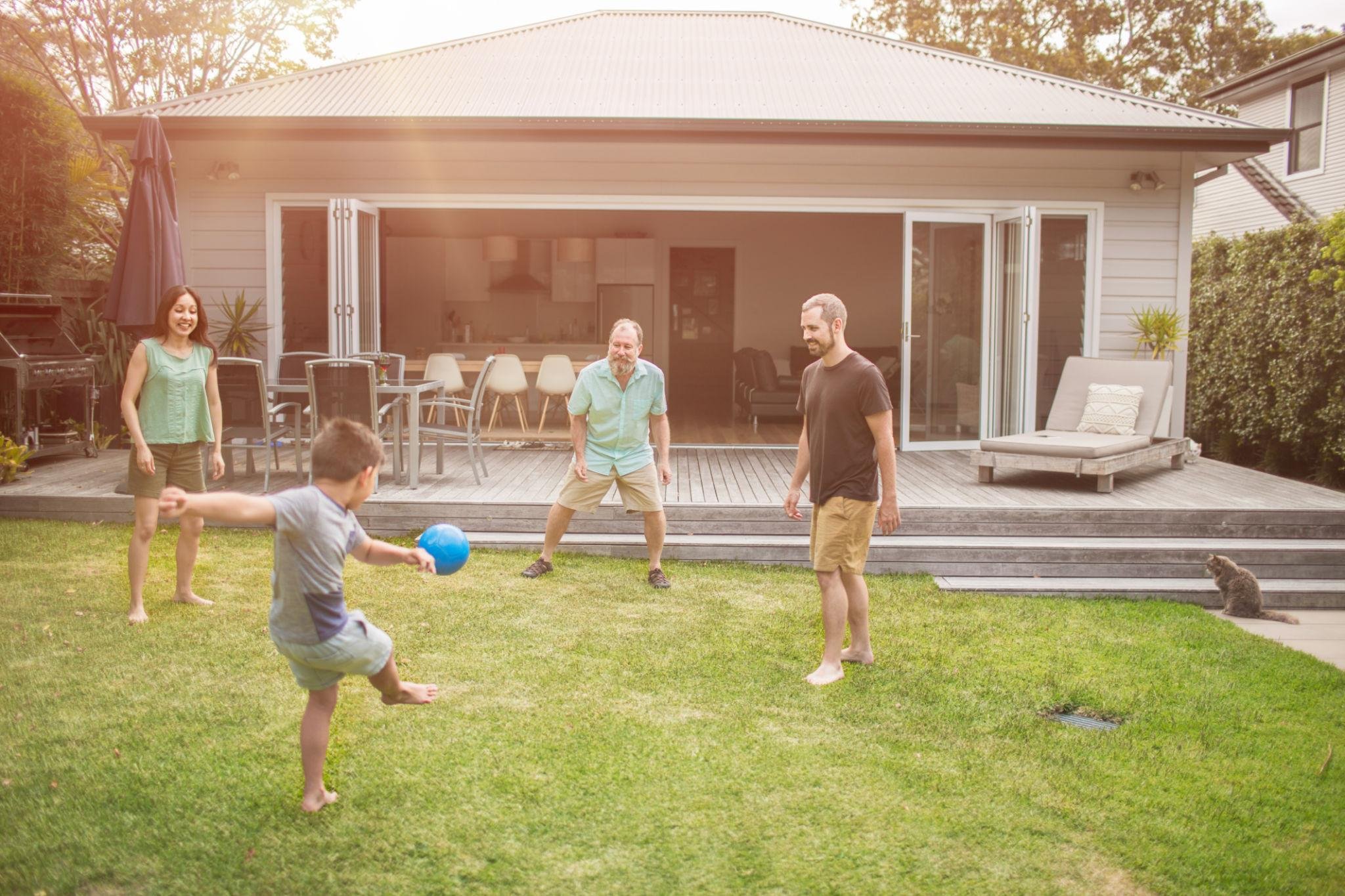
One of the reasons people choose to live in Wilmington is the outdoor lifestyle. Whether you're hosting family gatherings, watching kids play in the backyard, or simply enjoying a beautiful afternoon, your lawn should be a place that invites you outside.
Natural grass offers a softer, cooler, and more comfortable surface than artificial turf. It feels better underfoot, remains more enjoyable during hot weather, and enhances the overall beauty of your property.
When properly maintained, a healthy lawn can stay lush and attractive throughout much of the year while providing benefits that synthetic turf simply cannot replicate.
There Are Better Alternatives
At Green Side Up! Of Wilmington, we often meet homeowners who are considering artificial turf because they're frustrated with struggling grass. In many cases, the issue isn't the lawn itself—it's choosing the right grass variety, improving soil conditions, upgrading irrigation systems, or implementing a customized lawn care program.
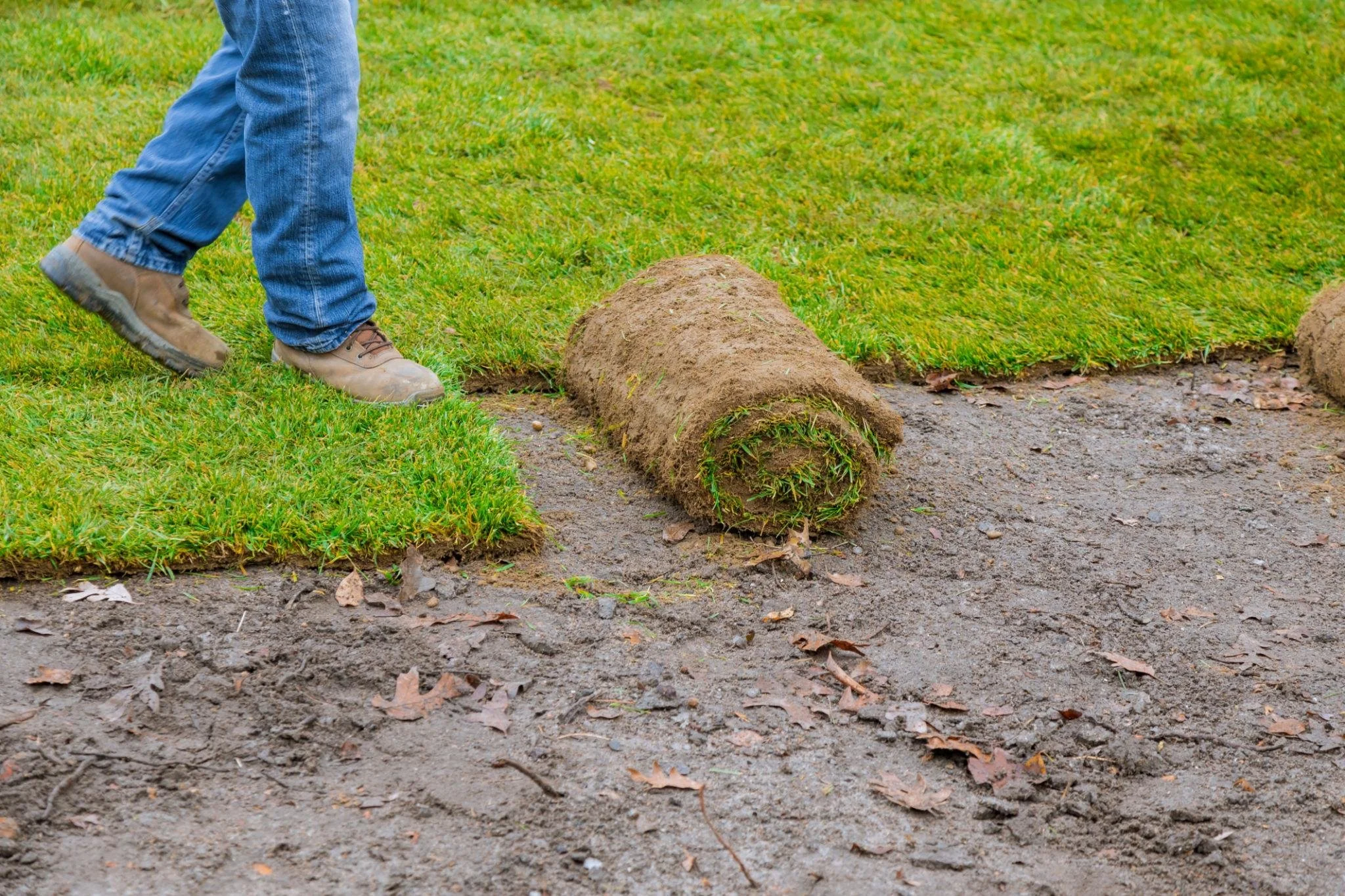
There are numerous ways to maintain a beautiful, green lawn throughout the year without resorting to synthetic turf. From professional sod installation and overseeding to fertilization and drainage improvements, homeowners have options that preserve the natural beauty and functionality of their landscape.
Why Wilmington Lawns Need Local Expertise
Wilmington's coastal climate presents unique challenges. Sandy soils, salt exposure, heavy rains, humidity, and periods of drought can all impact lawn health. That's why working with a local landscaping company that understands these conditions is so important.
At Green Side Up! Of Wilmington, we specialize in helping homeowners create landscapes that thrive in southeastern North Carolina. We understand which grass varieties perform best, how to address drainage concerns, and what it takes to keep lawns healthy and vibrant throughout the seasons.
The Bottom Line
While artificial turf may seem like a convenient solution, it's not always the best choice for Wilmington homeowners. The excessive heat retention, ongoing maintenance requirements, environmental concerns, replacement costs, and lack of natural benefits often outweigh the advantages.
For most homeowners, a healthy natural lawn remains the superior long-term investment. Natural grass provides a cooler surface, supports the environment, improves curb appeal, and creates a more enjoyable outdoor living space for family, friends, and pets.
Let Green Side Up! Of Wilmington Help You Achieve a Greener Lawn
If you're considering artificial turf because you want a greener, healthier-looking lawn, we'd love to show you some natural alternatives.
At Green Side Up! Of Wilmington, we specialize in creating beautiful landscapes that are both functional and environmentally friendly. Whether you're interested in sod installation, lawn improvements, irrigation solutions, drainage corrections, or year-round landscape maintenance, our team can help you find the right option for your property.
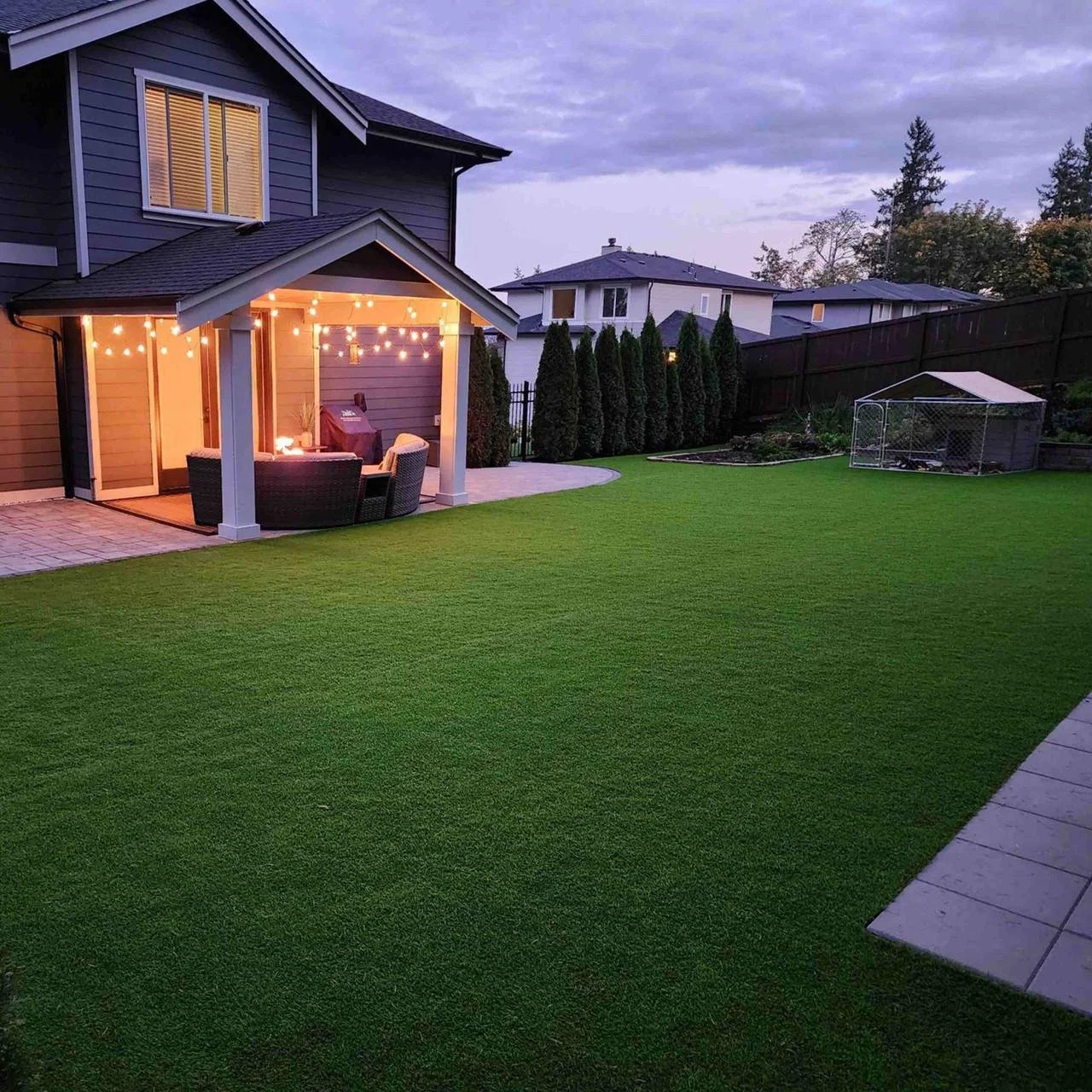
Ready for a Beautiful Lawn Without Artificial Turf?
Don't settle for a surface that's too hot to enjoy during Wilmington's summers. Let our team help you create a lush, healthy lawn that enhances your property's beauty while remaining comfortable for your family, guests, and pets.
Give Green Side Up! Of Wilmington a call today to learn more about our lawn care and landscaping services. We can help you explore natural solutions for achieving greener grass and a healthier landscape all year long.
Your dream lawn may not require artificial turf at all-just the right plan, the right grass, and the right team.
Why It’s Important to Check Your Soil Before Installing Hardscape Designs
When homeowners think about upgrading their outdoor spaces, hardscaping is often one of the most impactful improvements they can make. Patios, walkways, retaining walls, fire pits, outdoor kitchens, and driveways can completely transform the look, function, and value of a property. A well-designed hardscape creates usable space, improves curb appeal, and adds structure to a yard in a way that landscaping alone cannot achieve.
However, before any pavers are laid, concrete is poured, or stone is installed. There is one step that is often overlooked but absolutely essential: evaluating and preparing the soil beneath the project.
The truth is simple-no matter how high-quality the materials are or how beautiful the design is; a hardscape is only as strong as the ground it sits on. Soil is the foundation of every outdoor structure, and if it is not properly assessed and prepared, problems will eventually appear.
In coastal North Carolina especially, where soil conditions vary widely and heavy rainfall is common, this step becomes even more critical for long-term success.
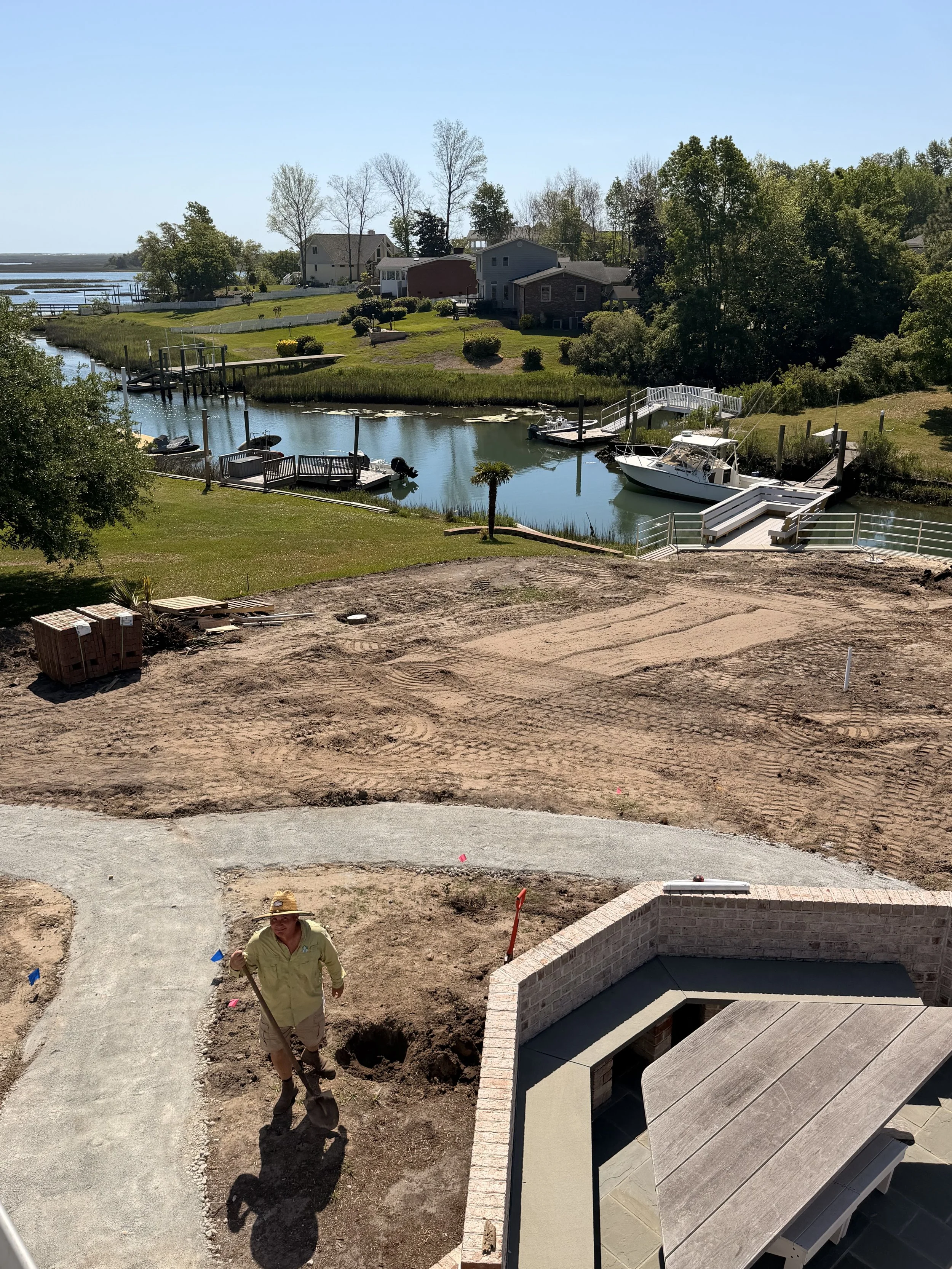
Why Soil Matters for Hardscaping
Hardscapes are not lightweight features. Even a simple paver patio involves thousands of pounds of material distributed across the ground. Retaining walls, driveways, and outdoor kitchens place even more pressure on the soil beneath them.
If that soil is loose, sandy, overly saturated, or improperly compacted, it will shift over time. When the ground moves, everything built on top of it moves as well.
A proper soil evaluation helps determine:
Whether the ground is stable enough to support the structure
How water naturally drains through the property
If grading adjustments are needed before installation
Whether additional base materials like gravel or stone are required
How to prevent future settling or shifting
Without this evaluation, even professionally installed hardscapes can begin to fail prematurely.
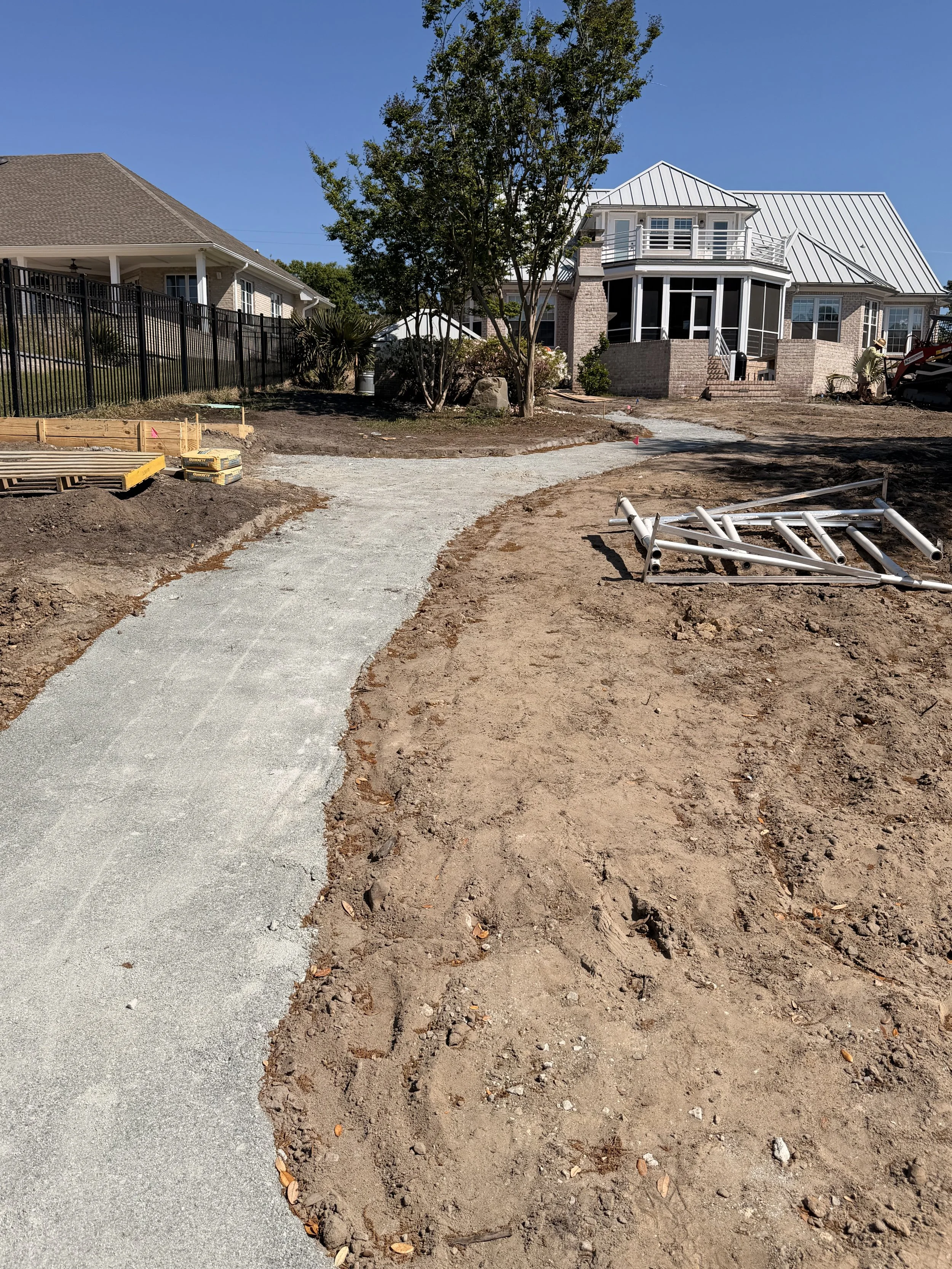
What Happens When Soil Is Not Properly Prepared
Many homeowners assume that hardscape problems are caused by poor installation or low-quality materials. In reality, most issues start underneath the surface.
One of the most common problems is sinking or uneven pavers. This occurs when soil beneath the patio was not compacted correctly or continues to settle after installation. Over time, the surface becomes uneven and unsafe, often requiring costly repairs or full reinstallation.
Cracking concrete is another frequent issue. When the soil beneath a slab shift or expands due to moisture changes, the rigid surface above it cannot move with it, resulting in cracks.
Water pooling is also a major concern. If soil does not drain properly, water can collect around patios, walkways, and retaining walls. This not only creates slippery conditions but can also accelerate erosion and damage surrounding landscaping.
Retaining walls are especially vulnerable. These structures rely heavily on both soil stability and proper drainage behind the wall. If water becomes trapped or pressure builds in the soil, walls can begin to lean, bulge, or fail entirely.
Even smaller issues, like weeds growing between pavers or edges breaking down, can often be traced back to inadequate soil preparation.
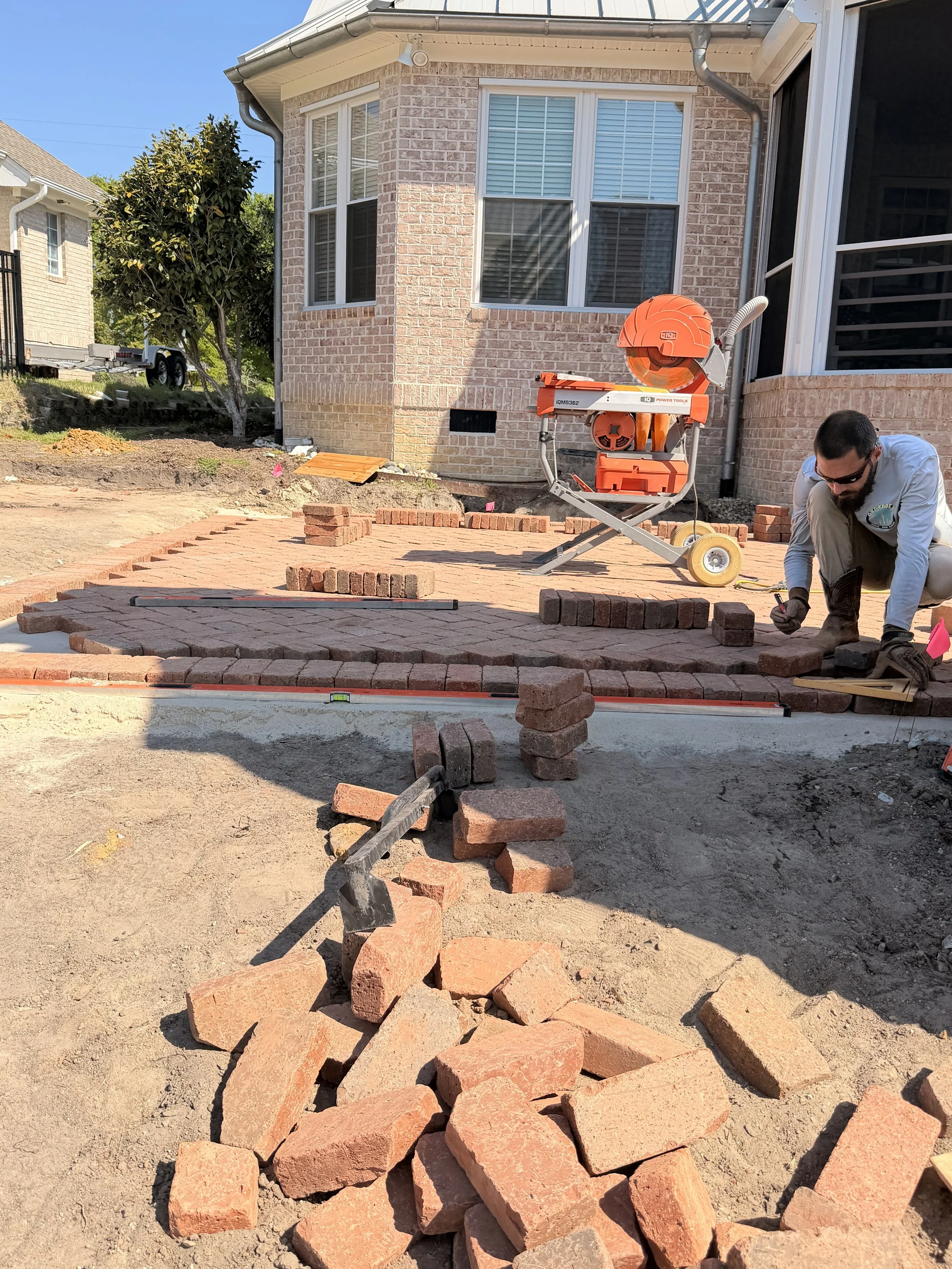
Coastal North Carolina Soil Conditions
In coastal areas such as Wilmington and surrounding communities, soil conditions are rarely consistent from property to property. This makes proper evaluation even more important before starting any hardscape project.
Some properties contain loose, sandy soil that drains quickly but lacks stability. Others may have dense clay layers that hold water and become overly saturated during heavy rain. Many areas experience a combination of both, which creates unpredictable drainage patterns.
On top of that, coastal North Carolina experiences frequent rain events, hurricanes, and seasonal flooding risks. These environmental factors put additional stress on outdoor structures.
Because of this, hardscapes in coastal regions must be designed with both drainage and soil stability in mind from the very beginning. Ignoring these conditions often leads to premature failure and ongoing maintenance issues.
The Soil Evaluation Process
A professional landscaping company does not begin a hardscape project without first understanding what is happening beneath the surface.
The process typically starts with assessing soil stability. This involves determining whether the ground can safely support the weight of the proposed structure without excessive shifting or settling.
Next, drainage patterns are evaluated. Professionals look at how water flows across the property during and after rainfall. This step helps identify low points, runoff paths, and areas where water may collect.
Grading is also a key factor. Even slight changes in slope can dramatically affect how water moves across a yard. Proper grading ensures water flows away from structures rather than toward them.
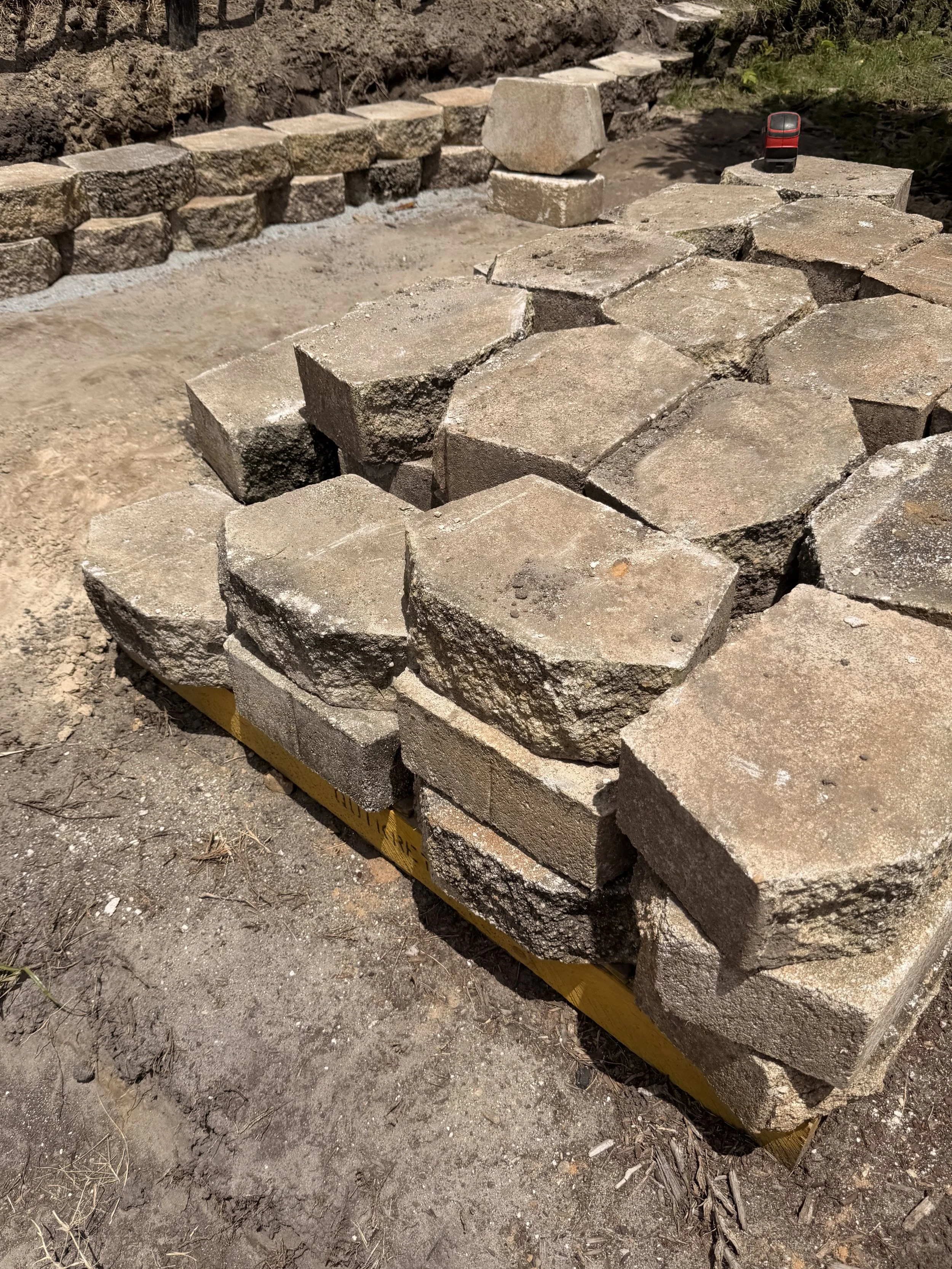
Soil compaction is another critical step. Before any base material is installed, the soil is compacted to reduce air pockets and improve long-term stability. Without this step, the ground may continue settling long after the project is complete.
Finally, base materials such as crushed stone or gravel are often added depending on soil type and project requirements. These layers help distribute weight evenly and improve drainage beneath the hardscape.
Why Proper Preparation Saves Money Long-Term
While soil evaluation and preparation may not be the most visible part of a hardscape project, it is one of the most important investments a homeowner can make.
Skipping this step may seem like a way to save time or money upfront, but it often leads to significantly higher costs later. Repairs for sinking patios, failing retaining walls, or drainage issues can be expensive and disruptive.
On the other hand, properly prepared soil helps ensure:
Longer-lasting installations
Fewer maintenance issues
Better drainage performance
Reduced risk of structural failure
Improved appearance over time
In other words, the foundation determines the lifespan of the entire project.
Hardscapes Start Below the Surface
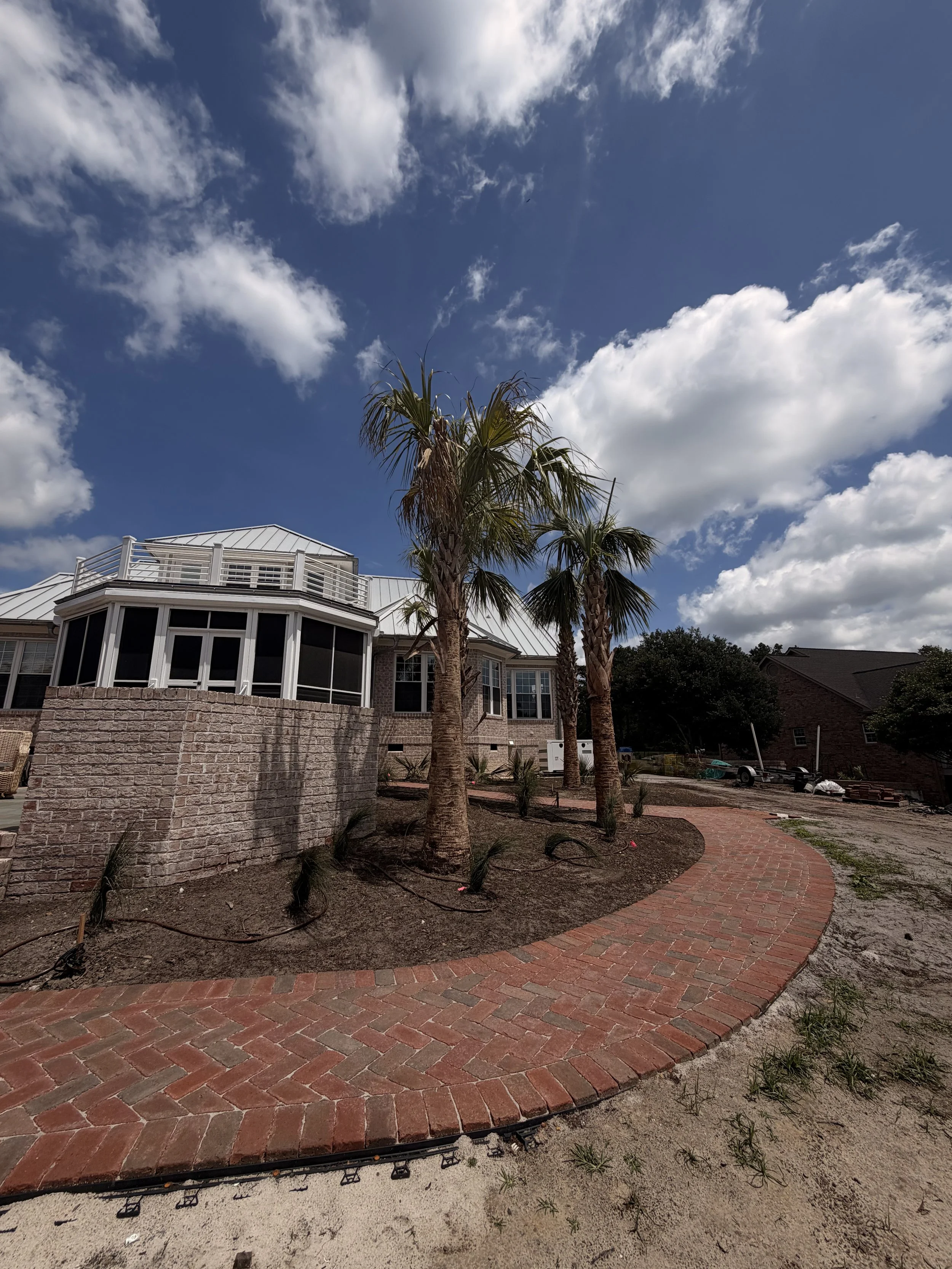
One of the most overlooked truths in landscaping is that the most important work is often invisible. While homeowners see the finished patio, walkway, or outdoor living space, the real strength of the project comes from what lies underneath.
A well-prepared soil base is what allows hardscapes to remain level, stable, and functional for years. It is what prevents shifting after heavy rain and what protects the investment long after installation is complete.
Without it, even the most expensive materials will eventually fail.
Final Thoughts
Hardscaping is one of the best ways to enhance outdoor living spaces and increase property value, but successful results depend on more than design and materials alone. Proper soil evaluation and preparation are essential steps that should never be skipped.
In coastal North Carolina, where soil conditions and weather patterns create additional challenges, this process becomes even more important. Understanding how the ground behaves beneath a property allows landscaping professionals to build stronger, longer-lasting outdoor spaces.
A beautiful hardscape is not just built on the surface-it is built from the ground up. When the soil is properly checked and prepared, everything above it has a stronger foundation to stand on for years to come.
Here at Green Side Up! Of Wilmington, we can help with all the prep from giving you a contact to the right soil evaluator to installing the perfect hardscape.
How to Prevent Your Yard from Flooding During Heavy Rains in South Eastern NC
Living in Wilmington or around the south eastern North Carolina area means enjoying coastal beauty, but it also comes with one challenge many homeowners know all too well… heavy seasonal rain.
As the seasons change, especially from summer into fall and winter into spring, rainfall can become intense and frequent. When your yard is not properly prepared, that water has nowhere to go. The result is standing water, soggy lawns, plant damage, and even potential issues near your home’s foundation.
The good news is that with the right planning and landscaping solutions, you can prevent flooding and protect your yard year-round.
Why Yards Flood in Coastal Areas
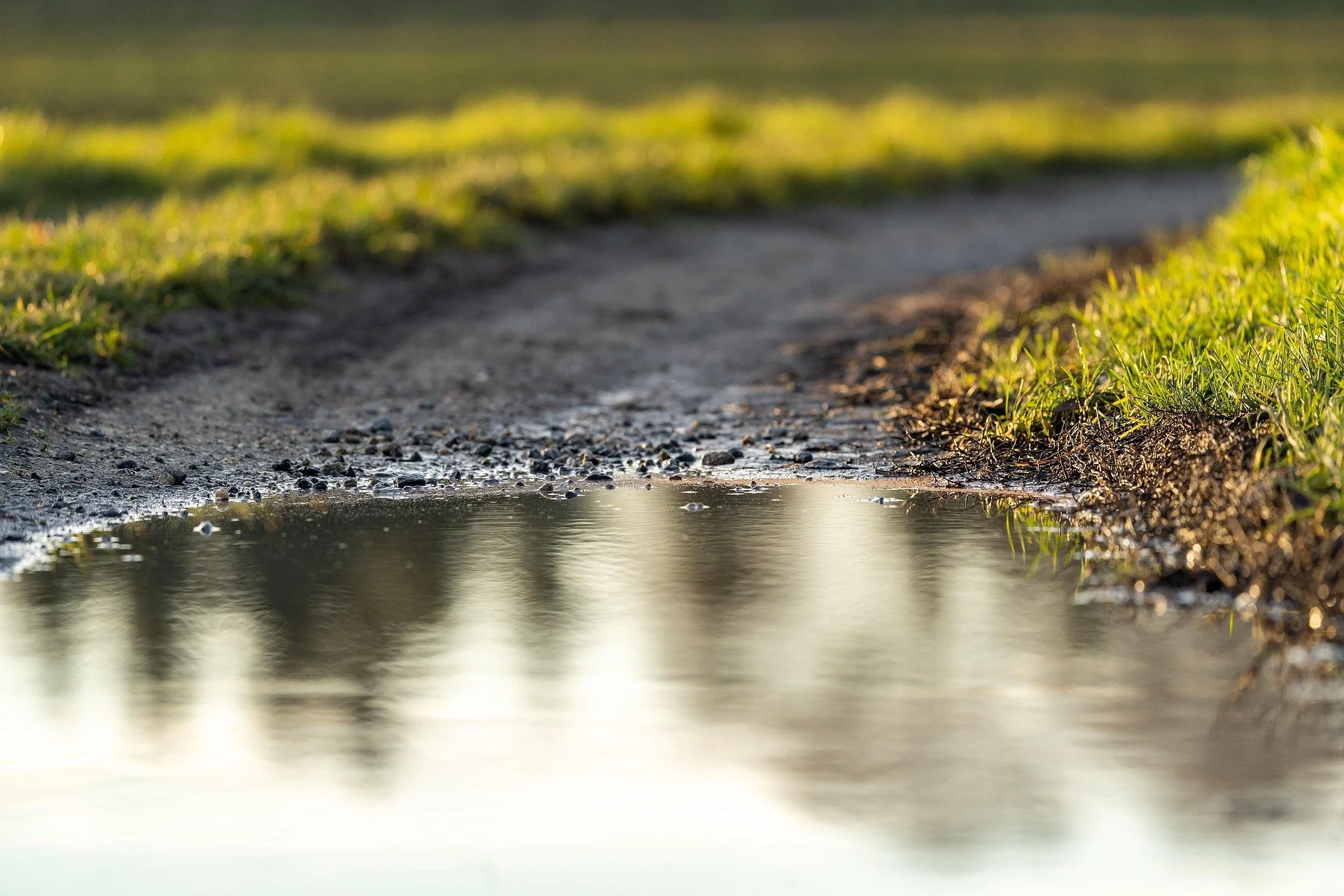
Wilmington’s location near the coast plays a major role in drainage challenges. The soil in this area is often a mix of sand and clay, which can either drain too quickly or not enough depending on conditions. Combined with flat terrain and sudden downpours, water can build up fast.
Other common causes of yard flooding include poor grading, compacted soil, and a lack of proper drainage systems. Even a beautifully designed yard can struggle if water flow is not considered from the start.
Start with Proper Grading
One of the most important ways to prevent flooding is ensuring your yard is graded correctly. Grading simply means shaping the land so water flows away from your home instead of toward it.
If your yard has low spots or slopes toward your foundation, water will naturally collect in those areas. Over time, this can lead to pooling, erosion, and even structural issues.
A properly graded yard gently directs water away from the home and toward designated drainage areas, creating a strong foundation for everything else in your landscape.
Improve Drainage Where It Matters Most
In many cases, grading alone is not enough. That is where drainage solutions come in. There are several effective options homeowners can use, depending on their yard and specific problem areas:
• French drains that redirect water underground
• Catch basins that collect and move excess water
• Downspout extensions that carry roof runoff away from the home
These systems work together to control water flow and prevent it from sitting in unwanted areas.
Choose the Right Plants for Wet Conditions
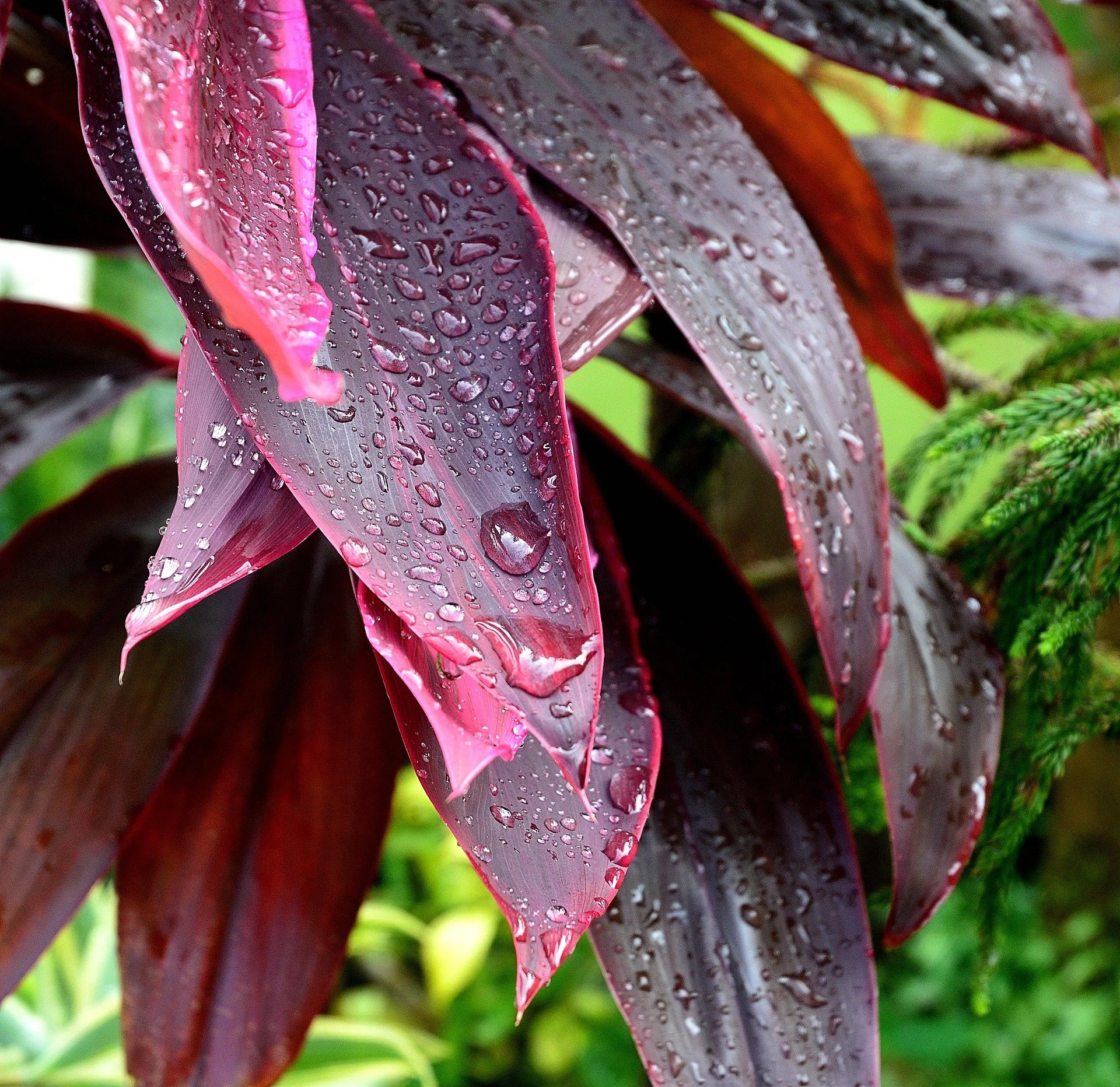
Landscaping can play a bigger role in drainage than most people realize. Certain plants naturally absorb more water and can help manage excess moisture in your yard.
In areas that tend to stay wet, choosing the right plants can make a noticeable difference. Native and water-tolerant plants are especially effective because they are already adapted to local conditions.
Incorporating these plants into low spots or along drainage paths helps reduce pooling while still maintaining a beautiful landscape.
Consider a Rain Garden
A rain garden is one of the most effective and visually appealing ways to manage excess water. It is a shallow, landscaped area designed to collect and absorb rainwater runoff.
Instead of allowing water to pool randomly across your yard, a rain garden gives it a designated place to go. Over time, the water slowly filters into the soil, reducing runoff and preventing erosion.
Rain gardens also add a natural, layered look to your landscape and can attract pollinators, making them both functional and visually appealing.
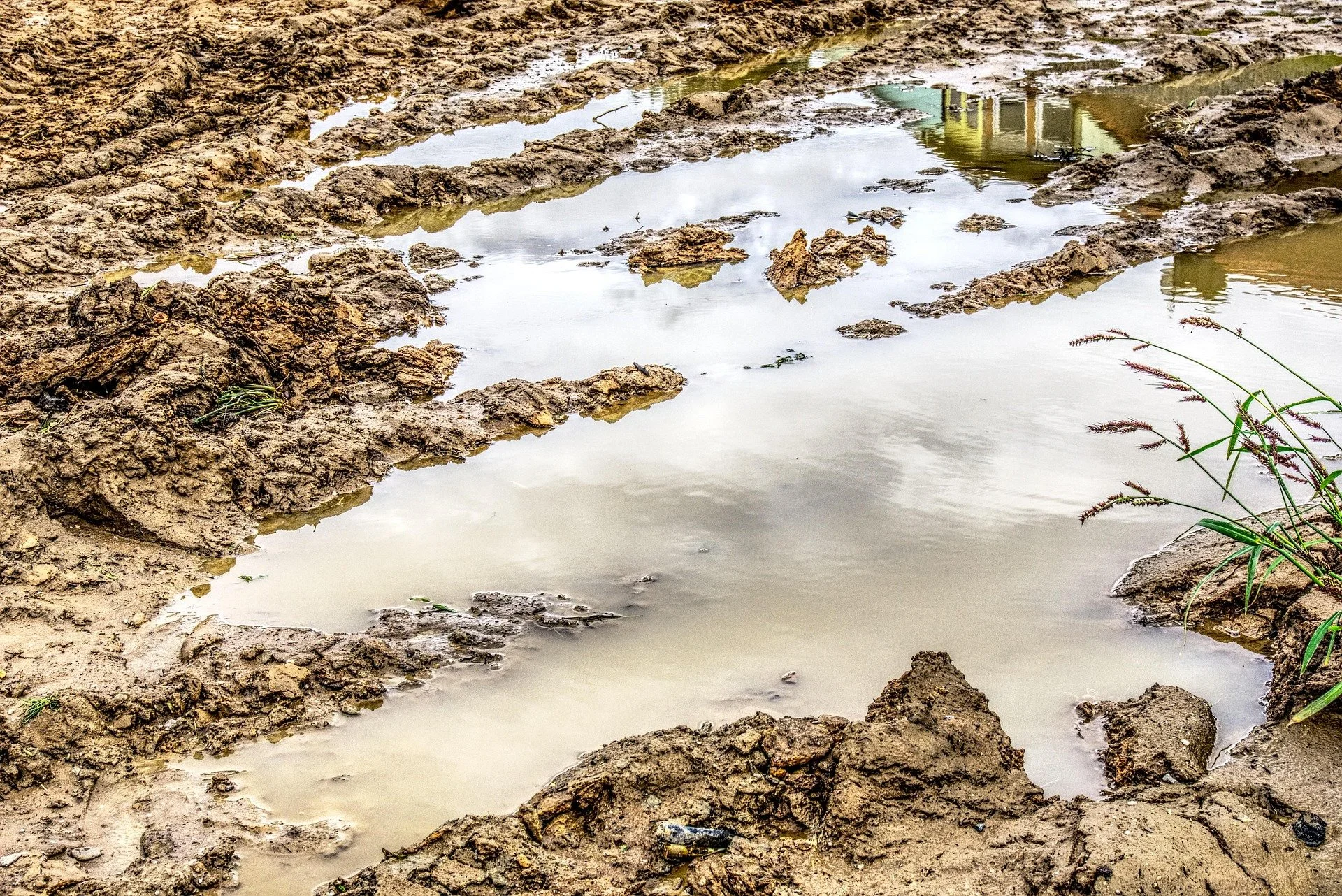
Prevent Soil Compaction
Compacted soil is one of the most overlooked causes of drainage issues. When soil becomes too dense, water cannot properly soak in, leading to runoff and pooling.
This often happens in high-traffic areas or lawns that have not been properly maintained.
Simple solutions like aeration can help loosen the soil and improve water absorption. Over time, this allows rainwater to soak into the ground more effectively instead of sitting on the surface.
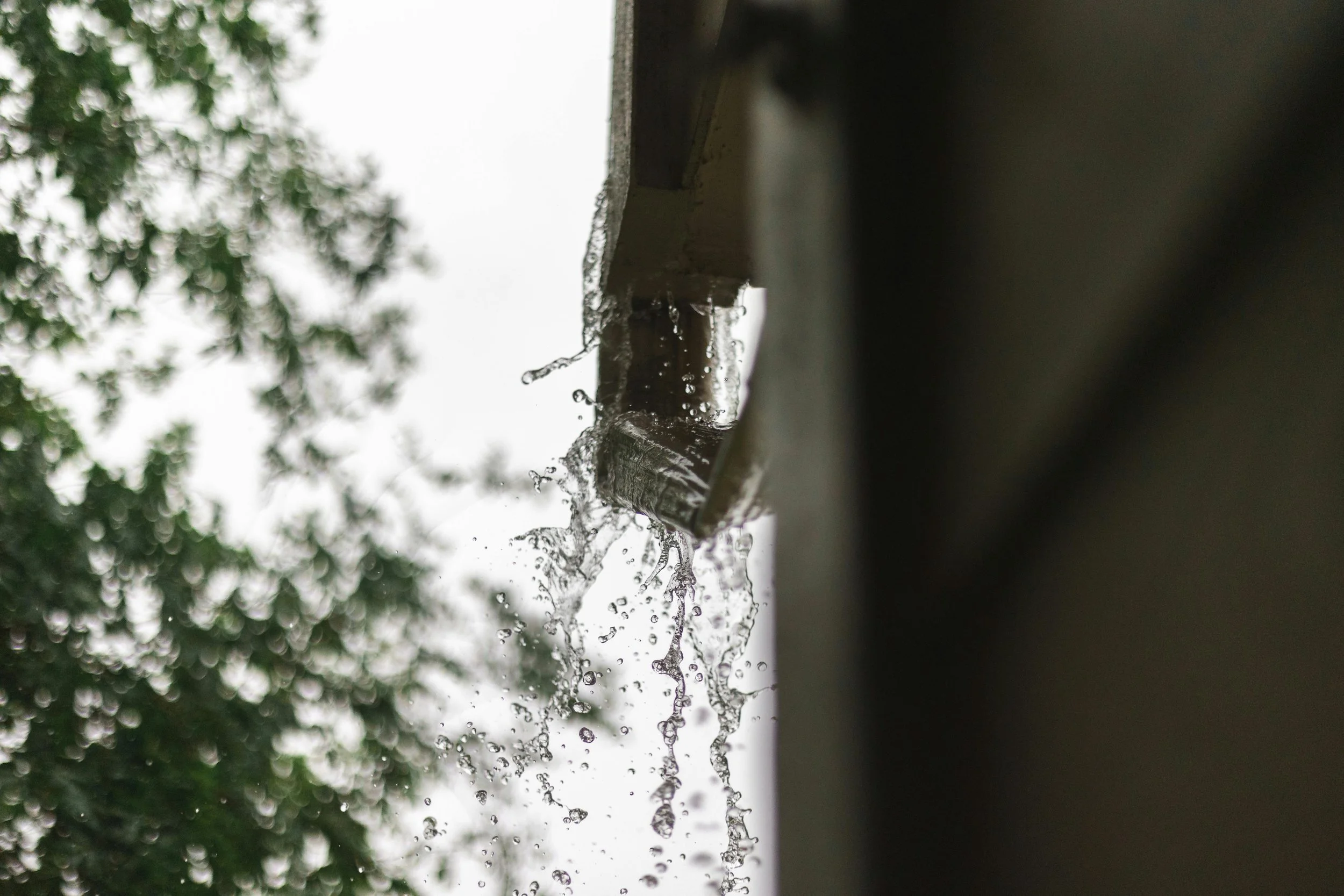
Keep Gutters and Downspouts in Check
Your yard’s drainage system starts at your roof. When gutters and downspouts are not functioning properly, water can overflow and collect around your home.
Making sure gutters are clear and downspouts direct water away from the foundation is a simple but important step in preventing flooding.
Extending downspouts even a few feet away from your home can significantly reduce the amount of water that ends up in your yard.
Quick Ways to Reduce Yard Flooding
If you are starting to notice water issues, a few small changes can make an immediate impact:
• Fill in low spots where water tends to collect
• Add mulch to garden beds to help absorb moisture
• Redirect downspouts away from problem areas
While these fixes may not solve larger drainage issues, they can help reduce the impact of heavy rainfall in the short term.
Why Prevention Matters
Flooding is not just an inconvenience. Over time, excess water can damage your lawn, kill plants, attract pests, and even affect your home’s foundation.
Addressing drainage early helps protect your investment and keeps your outdoor space functional and enjoyable throughout the year.
In a place like Wilmington, where seasonal rain is part of the climate, planning for proper drainage is not optional. It is essential.
Creating a Yard That Works With the Weather
The best landscapes are designed to work with the environment, not against it. By understanding how water moves through your yard and putting the right systems in place, you can prevent flooding before it becomes a problem.
From grading and drainage solutions to plant selection and soil care, each element plays a role in creating a yard that can handle heavy rain with ease.
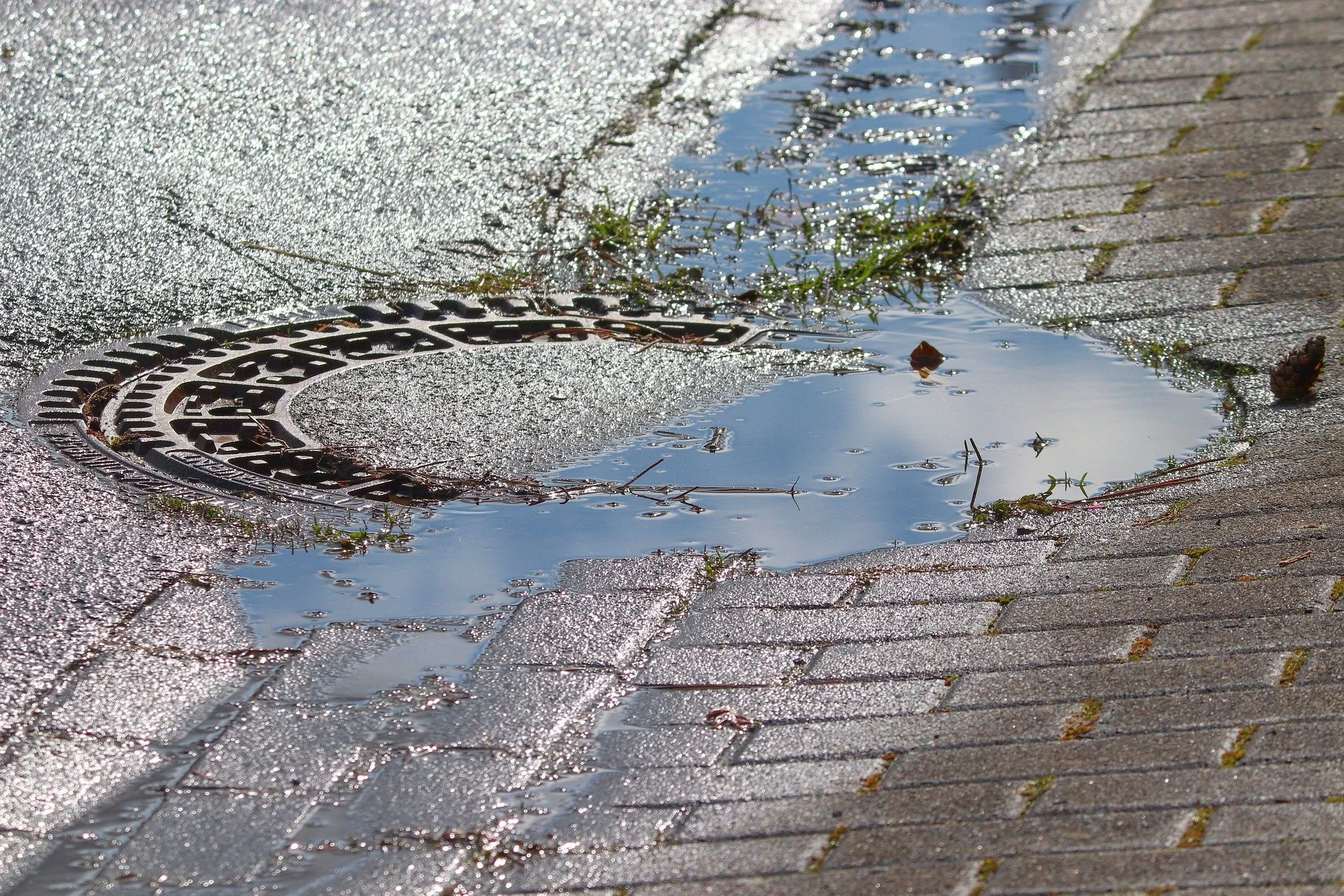
Need Help Solving Drainage Issues?
If your yard struggles with standing water or poor drainage, working with a local expert can make all the difference. At Green Side Up! Of Wilmington, we design landscapes that are not only beautiful but built to handle Wilmington’s coastal conditions.
From custom drainage solutions to full landscape planning, our team can help you protect your yard and create an outdoor space that stays functional in every season.
How Professional Hardscaping Can Increase Your Home Value
When homeowners think about increasing their property value, interior upgrades like kitchen remodels and bathroom renovations usually come to mind first. While those improvements certainly matter, many people overlook one of the most powerful value-boosting investments available: professional hardscaping. Thoughtfully designed patios, walkways, retaining walls, and outdoor living spaces can dramatically enhance both the appeal and functionality of a home. In today’s real estate market, outdoor spaces are no longer an afterthought. They are an extension of the home itself.
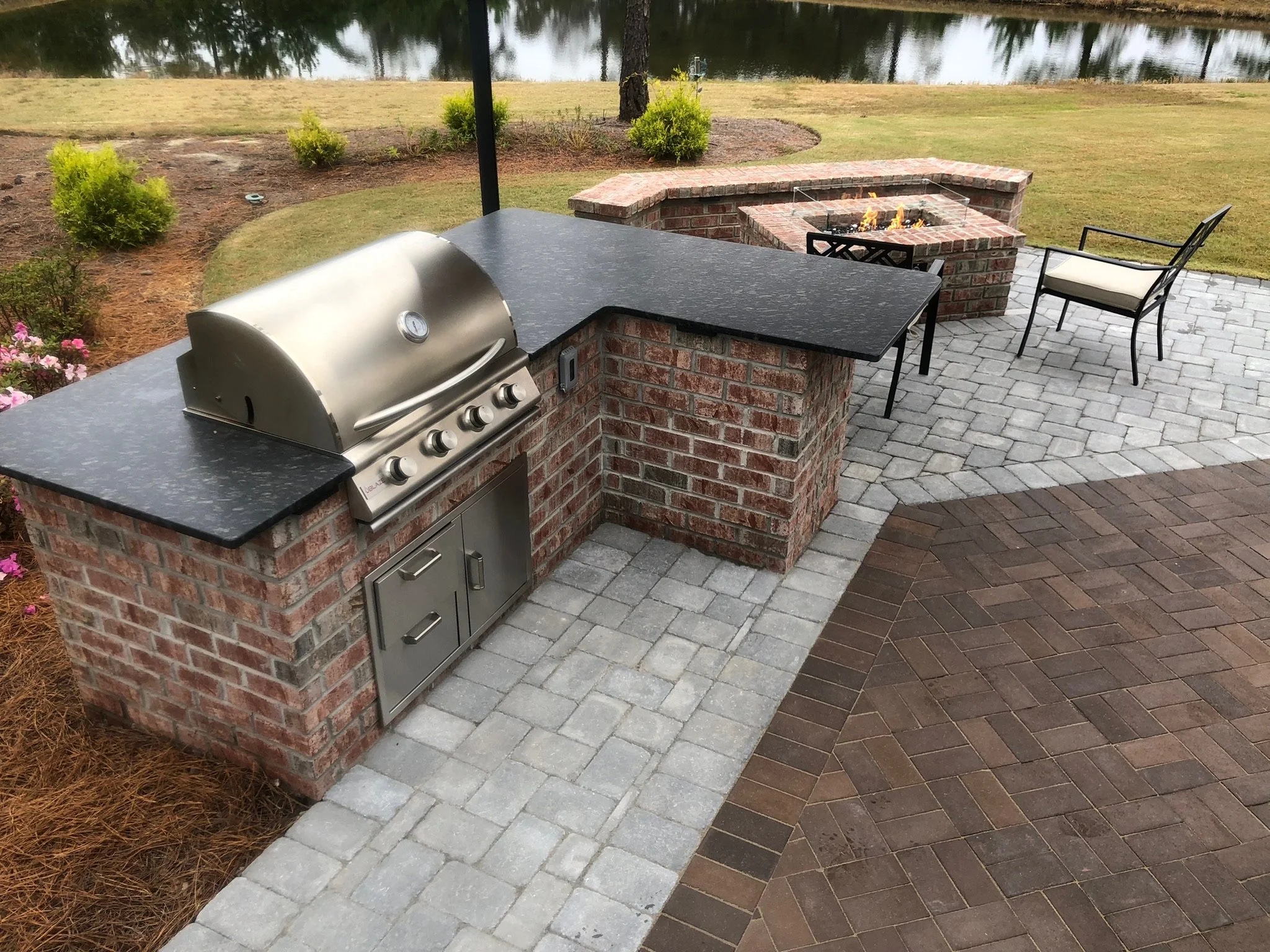
Hardscaping refers to the non-living elements of your landscape design. This includes features such as stone patios, paver driveways, outdoor kitchens, fire pits, decorative retaining walls, and built-in seating areas. Unlike plants and lawns, hardscape elements provide structure, durability, and year-round visual impact. When professionally installed, they create a polished, cohesive look that elevates the entire property.
Strong First Impressions Through Curb Appeal
One of the most immediate ways hardscaping increases home value is through enhanced curb appeal. First impressions matter tremendously in real estate. The exterior of your home sets the tone before a buyer ever steps inside. A well-designed walkway leading to the front door, a beautifully paved driveway, or a stone retaining wall that frames the yard can instantly communicate quality and care.
Clean lines and durable materials signal that the property has been well maintained. Professional hardscaping creates visual structure and balance, making the home appear more established and thoughtfully designed. In competitive markets, that strong first impression can make the difference between a quick sale and a listing that lingers.
Expanding Functional Living Space
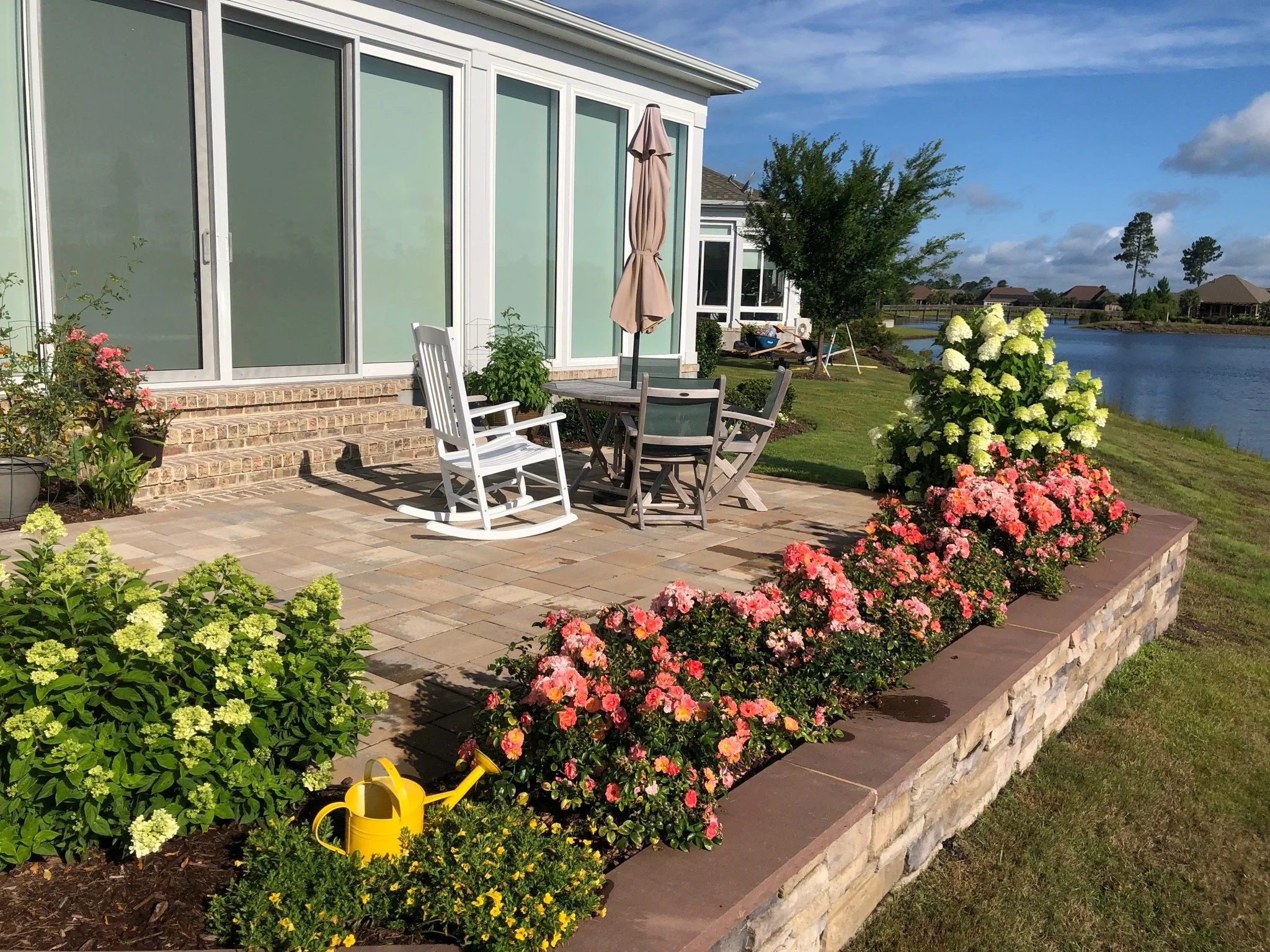
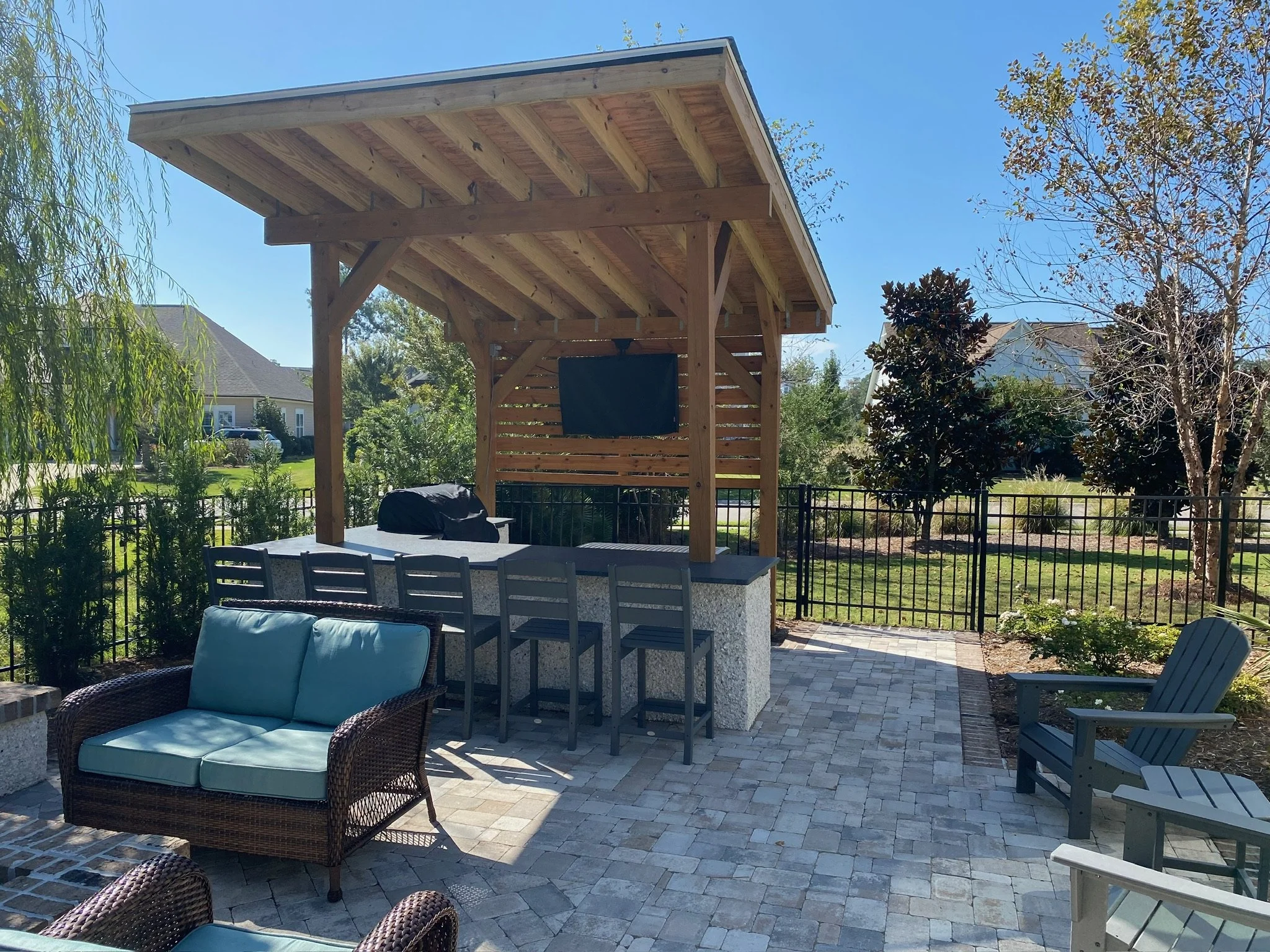
Beyond aesthetics, professional hardscaping expands functional living space. Modern buyers are looking for homes that support entertaining, relaxation, and flexible living. A thoughtfully designed backyard patio effectively adds usable square footage without the expense of building an addition.
Outdoor kitchens, fire pits, pergolas, and seating walls create defined areas for hosting gatherings or enjoying quiet evenings. When buyers see a backyard that feels like an outdoor living room, they recognize added value. In regions with mild climates, these spaces can be used for much of the year, making them even more appealing.
Outdoor living has become a lifestyle feature rather than a luxury. Homes that offer seamless indoor-outdoor flow often stand out in listing photos and during showings, giving sellers a competitive advantage.
Long Term Durability and Lower Maintenance
Another key advantage of professional hardscaping is durability combined with reduced maintenance. Many homeowners are drawn to properties that will not demand constant upkeep. Compared to large lawns and high-maintenance gardens, hardscape features require minimal watering, mowing, or seasonal replanting.
Materials such as natural stone, brick, and high-quality concrete pavers are built to withstand weather extremes for decades. When installed correctly with proper grading and foundation preparation, they resist cracking, shifting, and drainage issues. Buyers appreciate knowing they will not face costly repairs shortly after moving in.
Low maintenance landscaping also appeals to busy families, retirees, and professionals who want a beautiful yard without dedicating every weekend to yard work.
Protecting Your Property with Proper Drainage
Hardscaping does more than improve appearance. It also plays a critical structural role in protecting your property. Professionally designed features address grading and water management, which are essential for long-term home health.
Retaining walls can stabilize sloped yards and prevent soil erosion. Properly sloped patios and walkways direct water away from the home’s foundation. Integrated drainage systems reduce the risk of pooling water and basement moisture problems. These protective measures may not always be visible at first glance, but they add substantial value by safeguarding the home’s structure.
Buyers and home inspectors recognize the importance of effective drainage. A property that proactively manages water and soil stability presents less risk and greater long-term reliability.
Enhancing Perceived Luxury
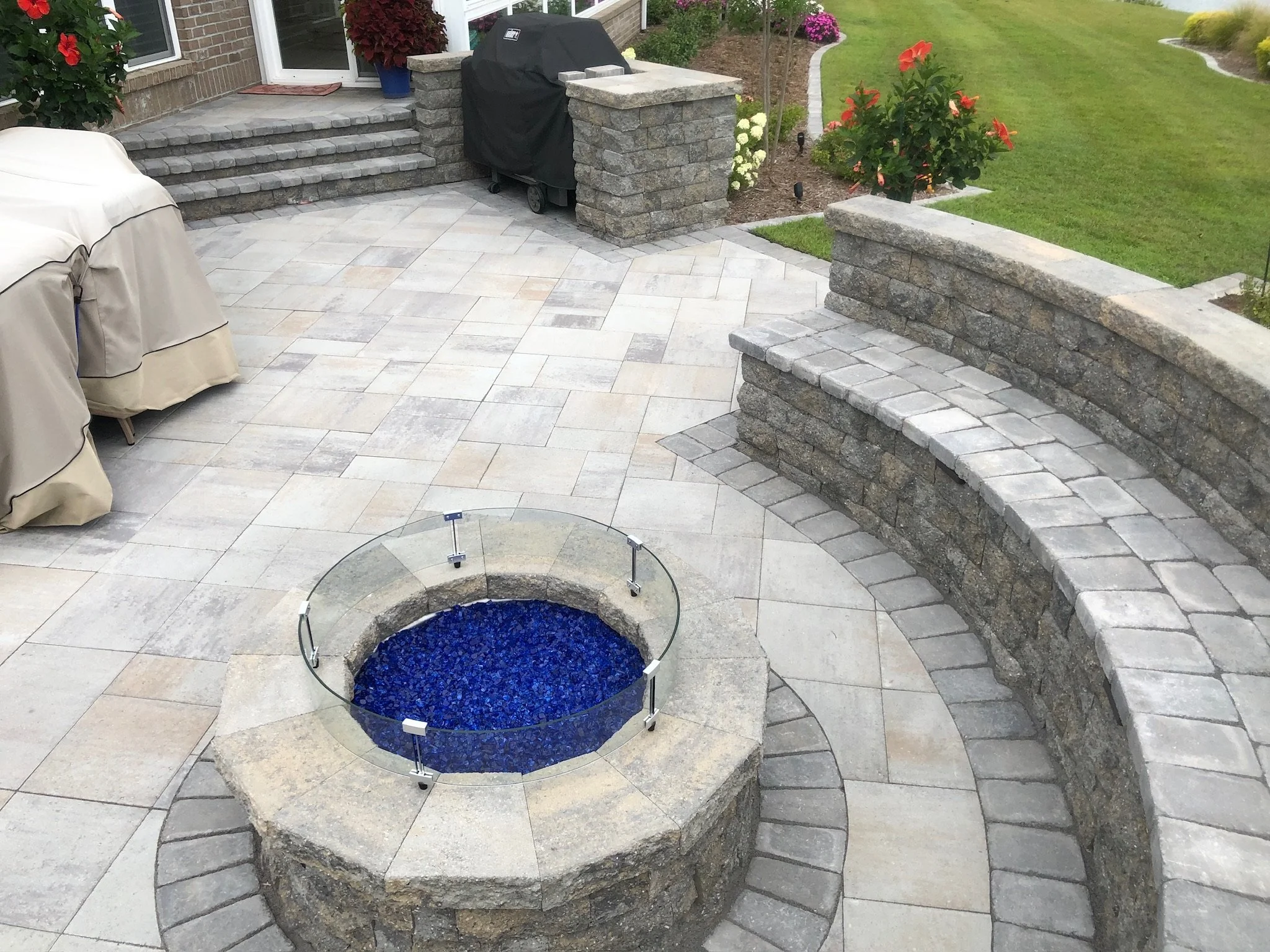
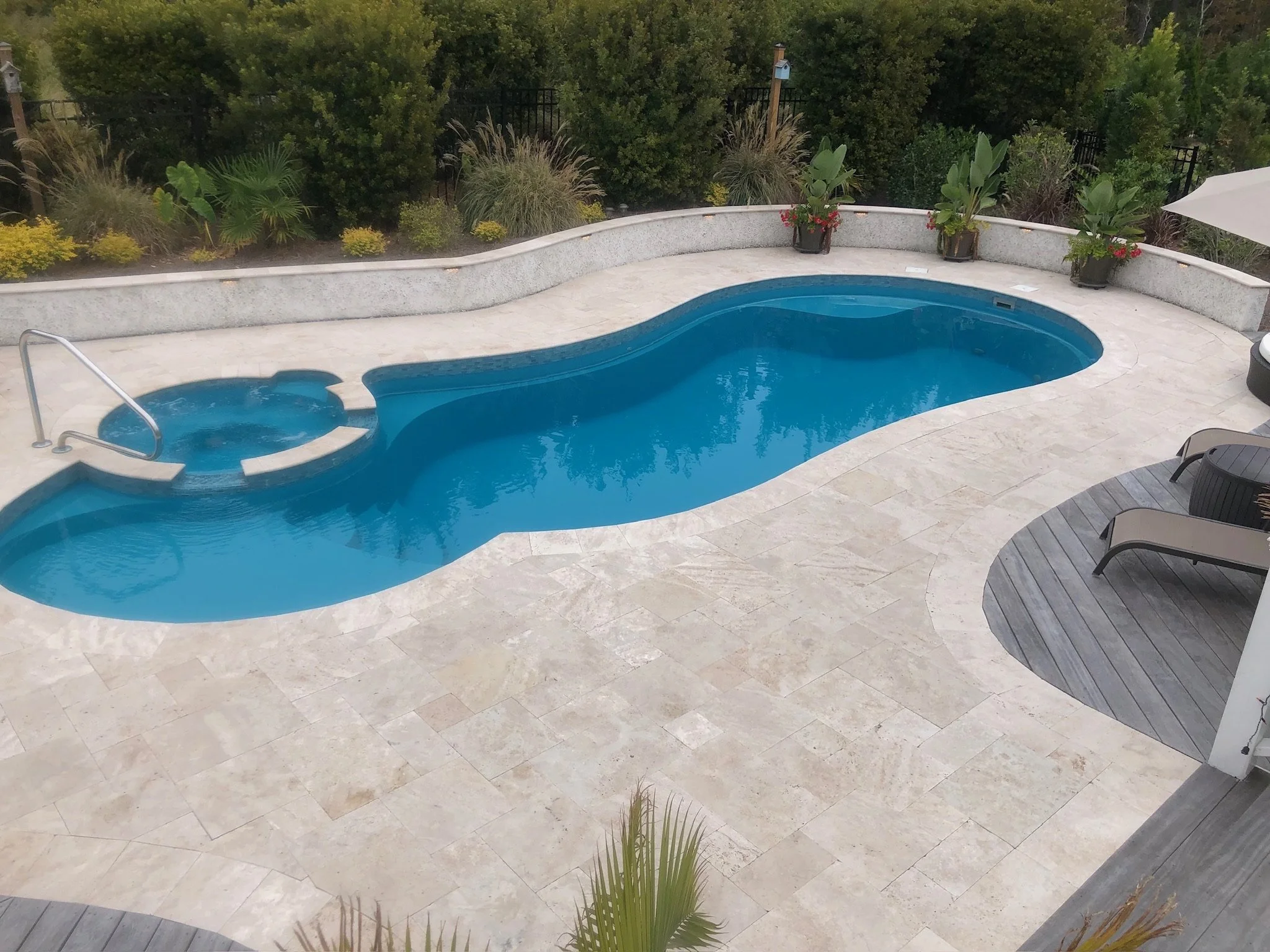
In addition to practical benefits, hardscaping significantly enhances perceived luxury. Even modest homes can feel elevated with custom stonework, decorative paver patterns, and built-in outdoor features. An outdoor fireplace or a well-lit patio creates ambiance and atmosphere that plain concrete surfaces cannot match.
These design elements transform a basic backyard into a curated outdoor retreat. Buyers are often willing to pay more for homes that feel thoughtfully designed and move-in ready rather than those requiring additional upgrades. High-quality hardscaping gives the impression of a finished, complete property.
Increasing Return on Investment
From an investment standpoint, outdoor improvements frequently deliver strong returns. While the exact return varies by location and market conditions, homes with attractive outdoor living spaces tend to sell faster and closer to asking price.
In today’s digital real estate environment, listing photos are crucial. A stunning patio, elegant walkway, or inviting backyard setup can capture attention online and motivate buyers to schedule a showing. Increased interest often translates to stronger offers and improved negotiating power for sellers.
Professional hardscaping adds value in multiple ways at once. It improves aesthetics, functionality, and durability simultaneously, making it one of the most well-rounded home improvement investments available.
The Importance of Professional Installation
While some homeowners consider DIY hardscape projects, professional installation makes a significant difference in both appearance and longevity. Improper base preparation, poor drainage planning, or uneven paver placement can reduce value rather than increase it.
Professional contractors understand engineering principles, soil conditions, and climate considerations. They ensure that patios are level, retaining walls are reinforced, and water flows safely away from structures. Quality craftsmanship not only looks better but also performs better over time.
A cohesive design that complements the home’s architecture is another benefit of working with professionals. Material choices and layout decisions should align with the overall style of the property, creating a seamless transition between indoor and outdoor spaces.
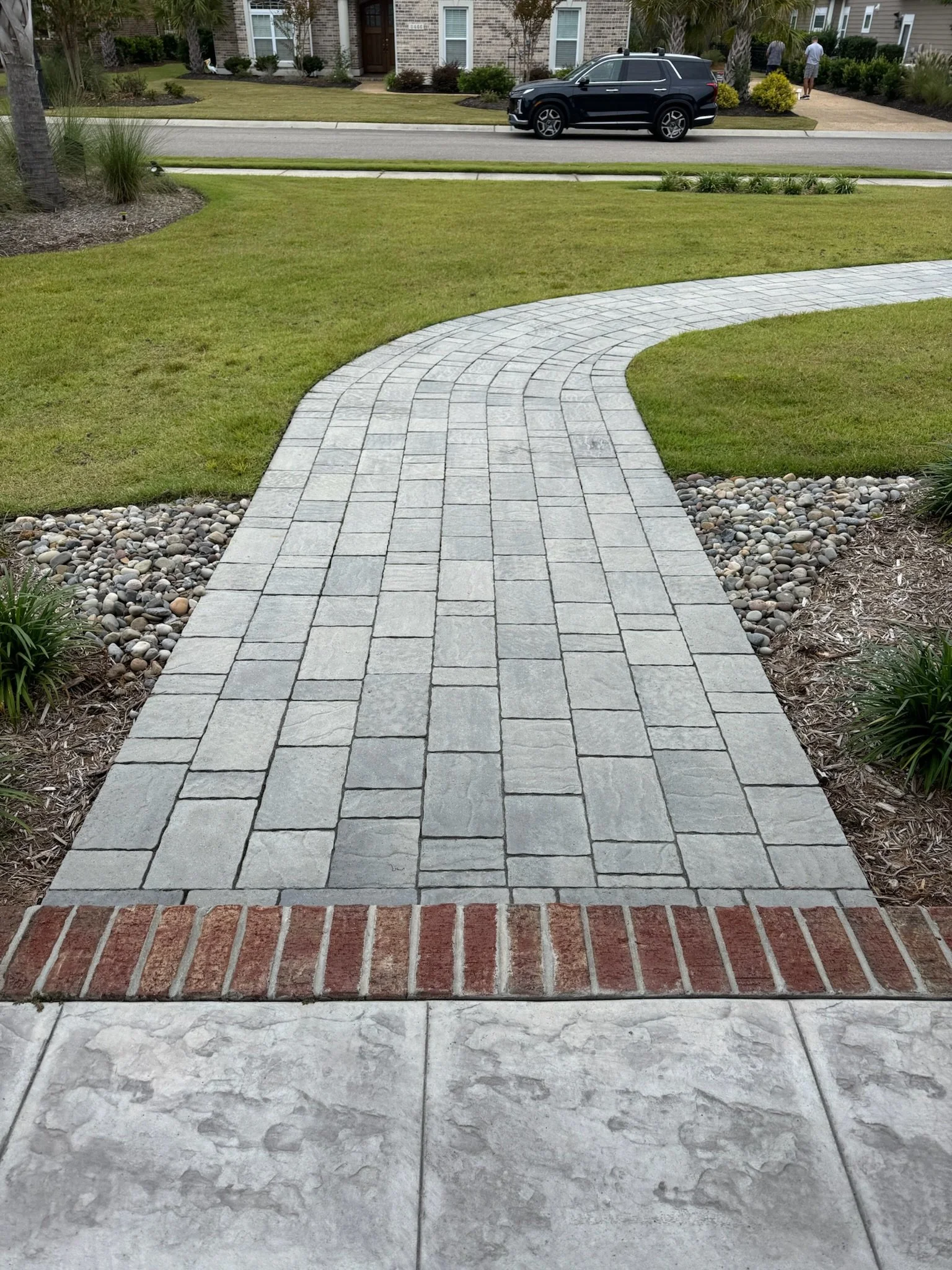
A Smart Investment Inside and Out
Professional hardscaping is more than a cosmetic upgrade. It strengthens curb appeal, expands living space, reduces maintenance demands, improves structural integrity, and enhances perceived luxury. Together, these benefits contribute to higher property value and stronger buyer interest.
Whether you plan to sell in the near future or simply want to enjoy a more functional and attractive outdoor environment, investing in professional hardscaping offers both immediate enjoyment and long-term financial reward. When thoughtfully designed and expertly installed, the improvements you make outside your home can have just as much impact as the renovations you make inside.
Every Backyard in Wilmington Needs Shade Structures!
Living in Wilmington means enjoying coastal breezes, sunny days, and beautiful outdoor living almost year-round. Backyards here are more than just green spaces. They are extensions of the home where families gather, entertain, and relax after a long day.
But anyone who lives along the coast knows the Carolina sun can be intense, especially during late spring, summer, and early fall. Without shade, even the most beautiful backyard can quickly become too hot to enjoy.
That is where shade structures come in.
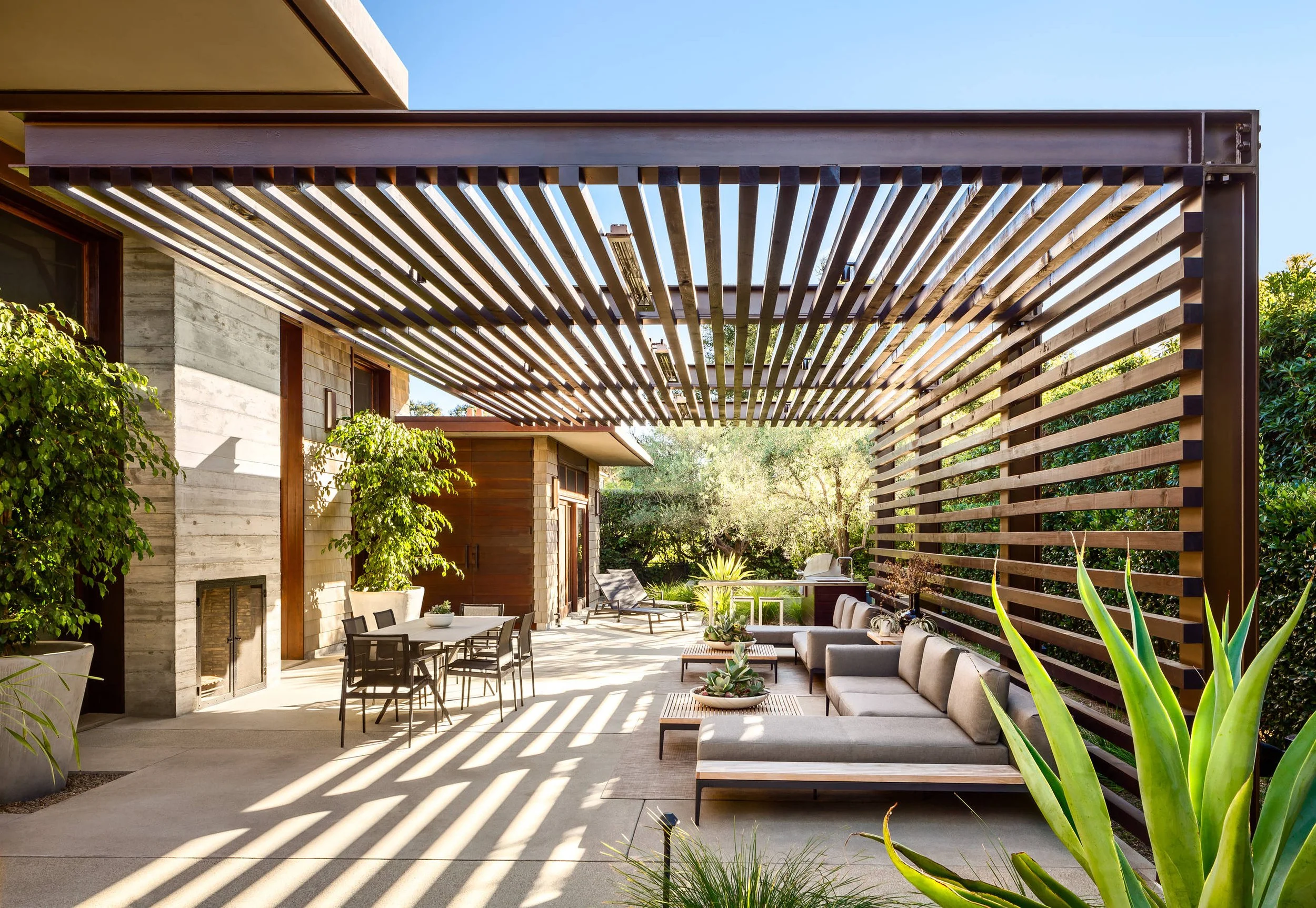
From pergolas and pavilions to shade sails and covered patios, these features transform outdoor spaces into comfortable environments homeowners can enjoy every day.
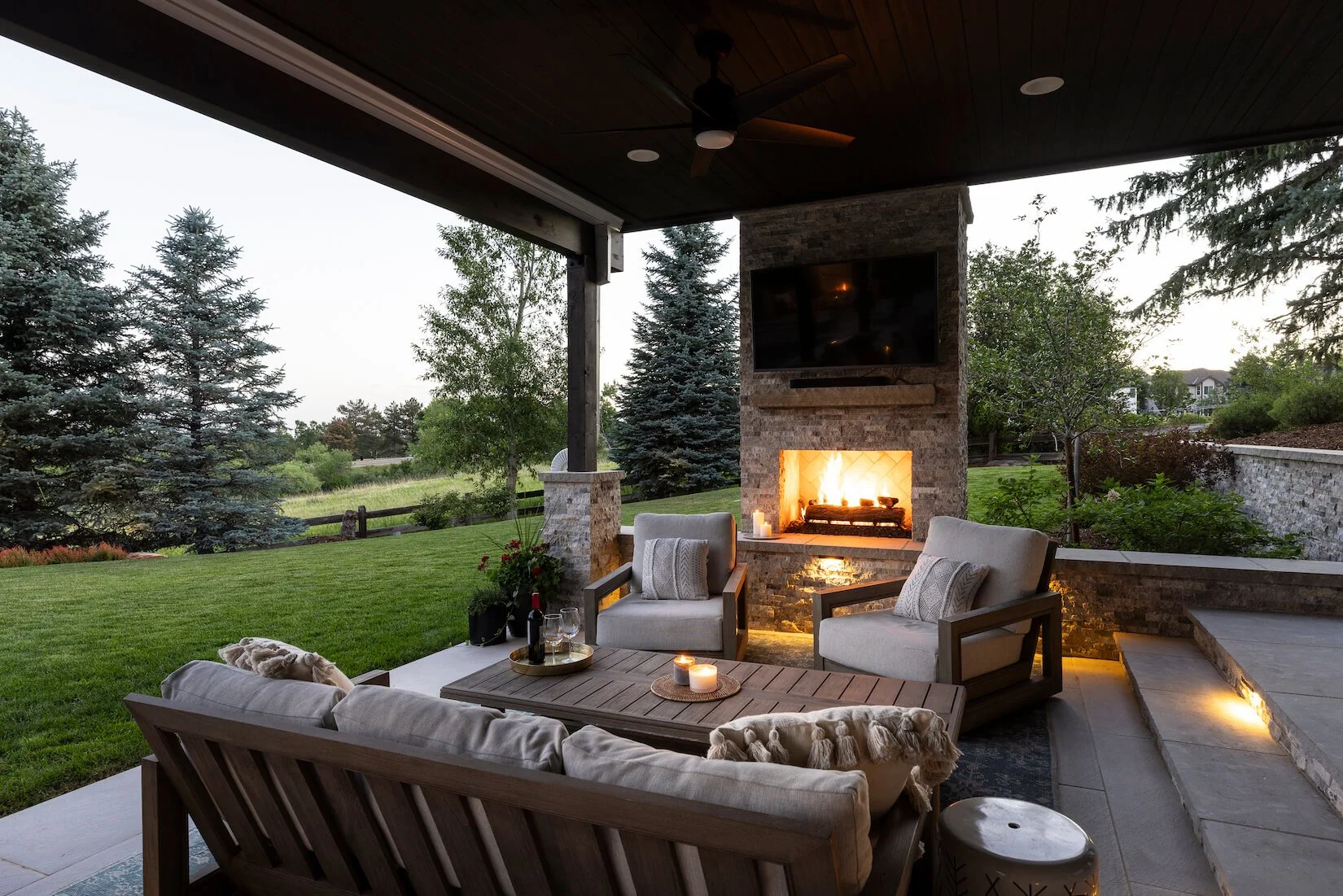
They Make Your Backyard Comfortable in Coastal Heat
Wilmington’s coastal climate brings strong sunshine, humidity, and warm temperatures for much of the year. While that is great for beach days and gardening, it can make unshaded outdoor spaces uncomfortable.
Shade structures help block direct sunlight and lower temperatures beneath them, making patios, outdoor seating areas, and gathering spaces much cooler and more enjoyable.
With the right shade, your backyard becomes a place you can enjoy throughout the day, whether it is morning coffee, a relaxing afternoon, or dinner outside with family and friends. Instead of avoiding the heat, your outdoor space becomes one of the most usable parts of your home.
Shade Structures Turn Backyards Into Outdoor Living Spaces
Modern landscaping is about more than plants. It is about creating outdoor spaces that feel just as functional as the inside of your home.
Shade structures help define these areas and give them purpose. A pergola or pavilion can create a natural gathering space for dining, lounging, or entertaining. Rather than having an open yard with no structure, these features bring intention and design to your space.
They also add depth and visual interest, making your backyard feel more complete and thoughtfully designed.
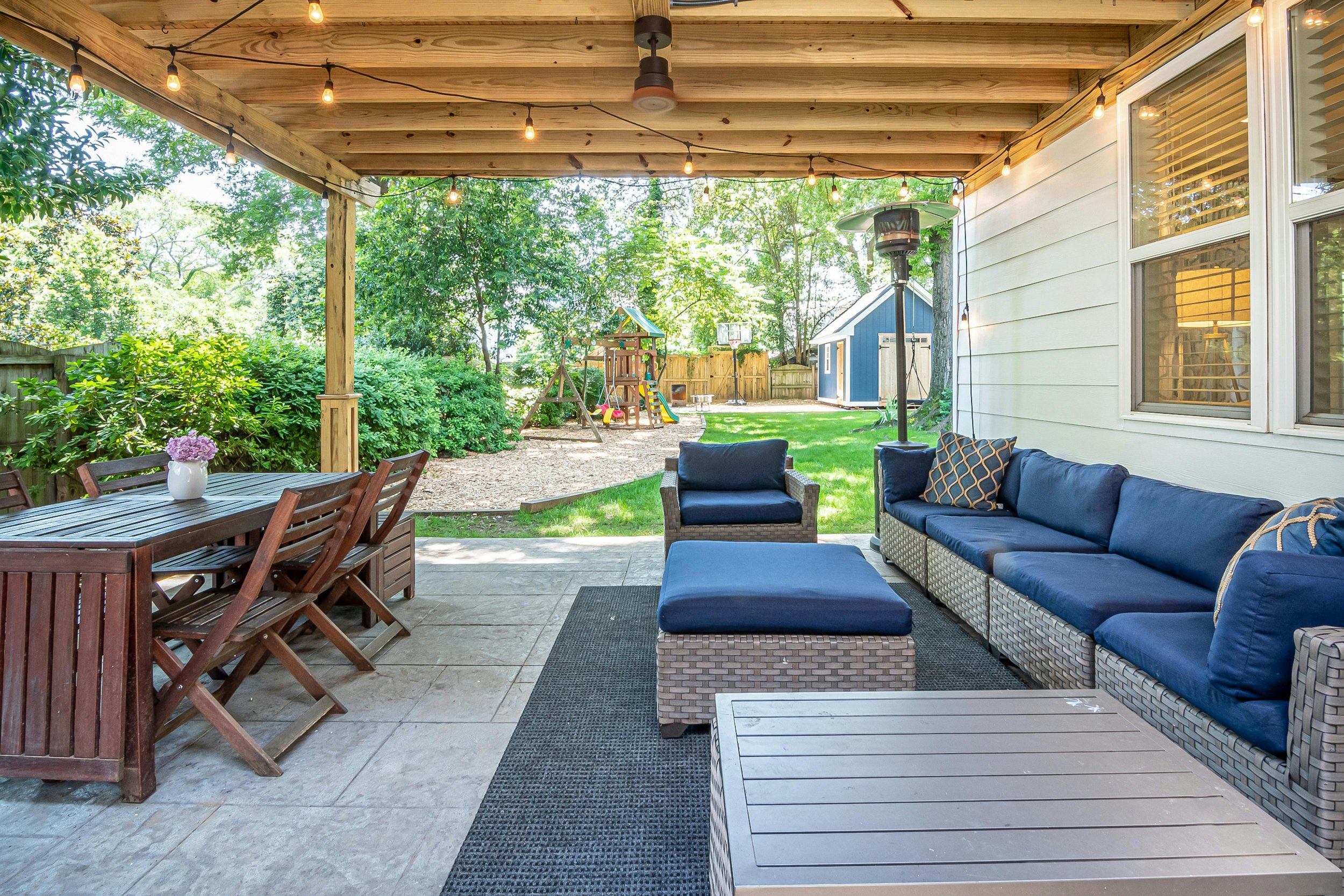
Why Homeowners Are Adding Shade Structures
More homeowners in Wilmington are investing in shade structures because they offer a balance of comfort, style, and function. The benefits go beyond just escaping the sun.
• They make outdoor spaces usable throughout the entire day
• They enhance the overall look and structure of your landscape
• They create a natural gathering space for family and guests
This combination is what turns a basic backyard into a true outdoor living experience.
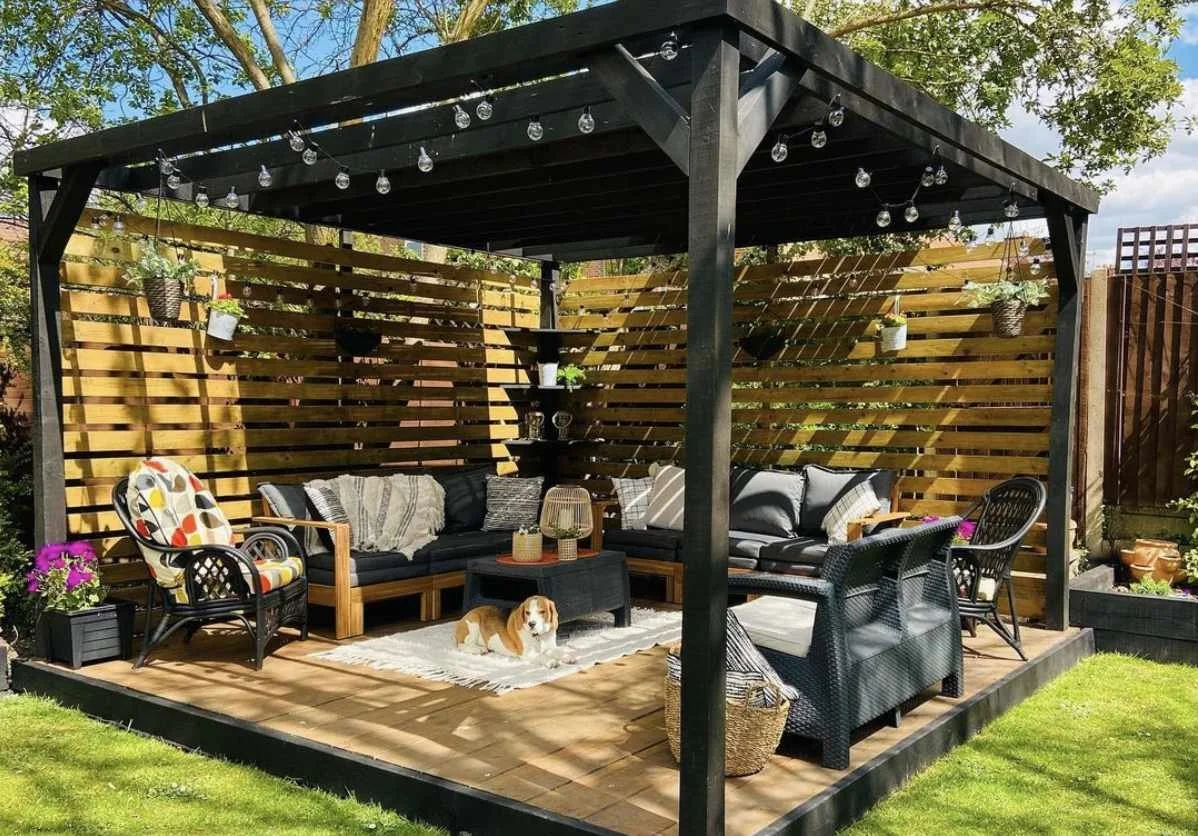
They Protect Outdoor Furniture and Materials
Constant sun exposure can take a toll on outdoor furniture and materials. Over time, this can lead to fading, cracking, and overheated surfaces that are uncomfortable to use.
Shade structures help protect your investment by reducing direct UV exposure and heat buildup. This not only helps preserve the look of your outdoor furniture but also extends its lifespan, saving you money in the long run.
Shade Helps Your Landscape and Plants Thrive
Not every plant thrives in full sun, especially during Wilmington’s hottest months. Some plants benefit from filtered light and cooler conditions.
Shade structures can create subtle microclimates within your yard, helping reduce heat stress and retain moisture in the soil. This is especially beneficial for plants like hydrangeas, ferns, and container gardens that do not tolerate intense afternoon sun.
Incorporating climbing plants onto pergolas can also soften the structure and blend it naturally into the landscape, adding both beauty and function.
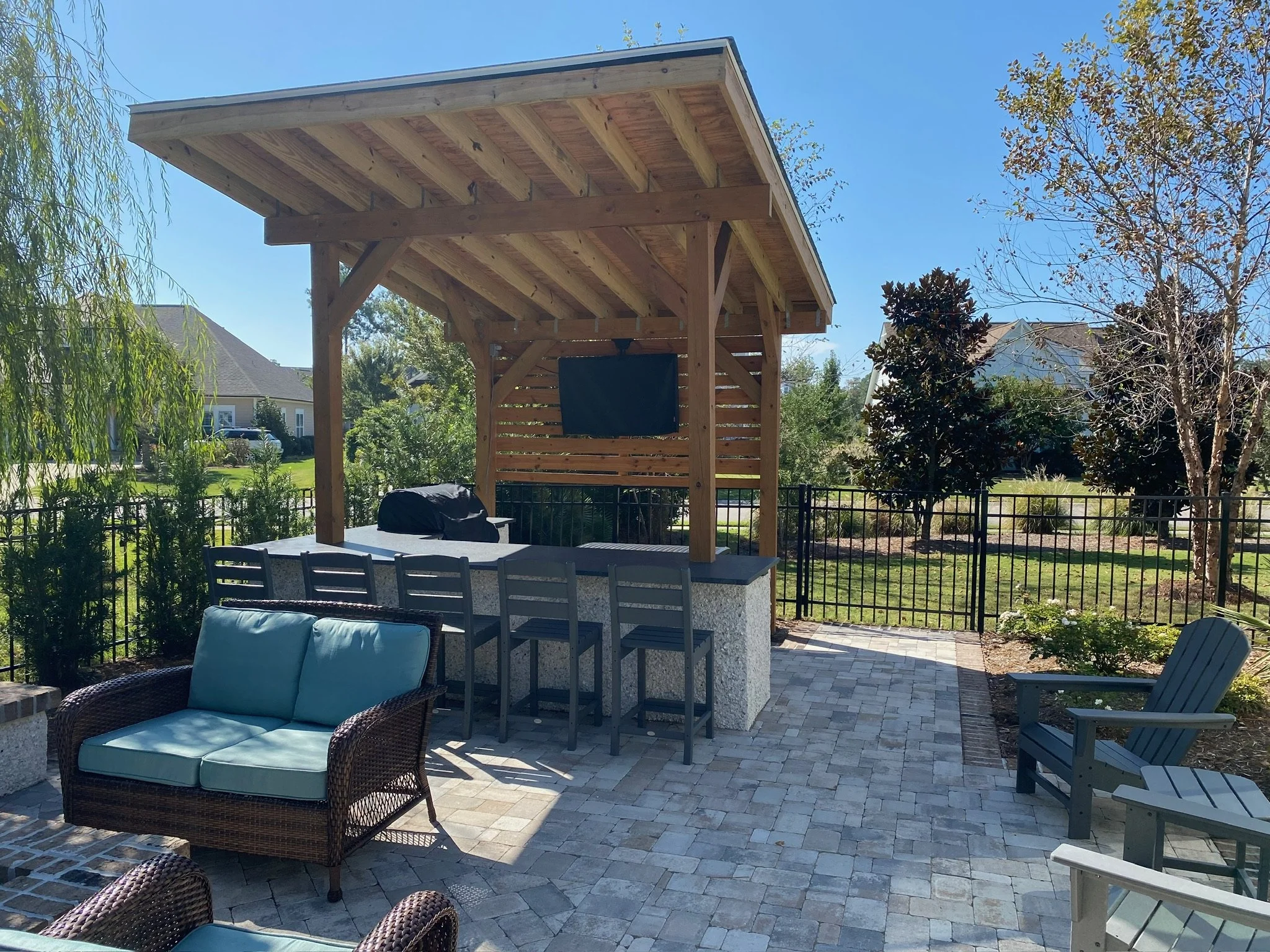
They Increase Property Value and Curb Appeal
Outdoor living spaces are one of the most desirable features in today’s homes. A well-designed backyard can make a strong impression and add long-term value to your property.
Shade structures contribute by adding architectural interest and creating spaces that feel more usable and inviting. In a place like Wilmington, where outdoor living is part of the lifestyle, these features can make a home stand out while enhancing everyday living.
Shade Structures Encourage More Time Outdoors
The biggest benefit of shade structures is simple. People spend more time outside when they are comfortable.
A shaded area provides relief from the sun while still allowing you to enjoy fresh air and your surroundings. These spaces naturally become the go-to spot for everything from quiet afternoons to weekend gatherings.
For many homeowners, a shaded patio or pergola quickly becomes the most enjoyed part of the entire backyard.
Creating the Perfect Coastal Backyard
In Wilmington, outdoor living is part of everyday life. Whether it is enjoying dinner outside, relaxing after a beach day, or hosting friends, the backyard is where memories are made.
Adding a shade structure is one of the most impactful upgrades you can make. It improves comfort, enhances design, protects your outdoor investments, and encourages you to spend more time outside.
From elegant pergolas to modern shade sails, the right structure can transform an ordinary yard into a true coastal retreat.
Ready to Upgrade Your Backyard?
If you are thinking about adding a shade structure to your outdoor space, working with a local expert makes all the difference. At Green Side Up! Of Wilmington, we specialize in designing and building outdoor spaces that are both functional and beautiful for coastal living.
From custom pergolas to fully designed backyard transformations, our team understands what works in Wilmington’s climate and how to create spaces you will actually use and enjoy.
Whether you are starting fresh or upgrading your current landscape, we are here to help bring your vision to life.
Mulch Vs. Pine Straw: Which Is Better for Your Wilmington, NC Landscape?
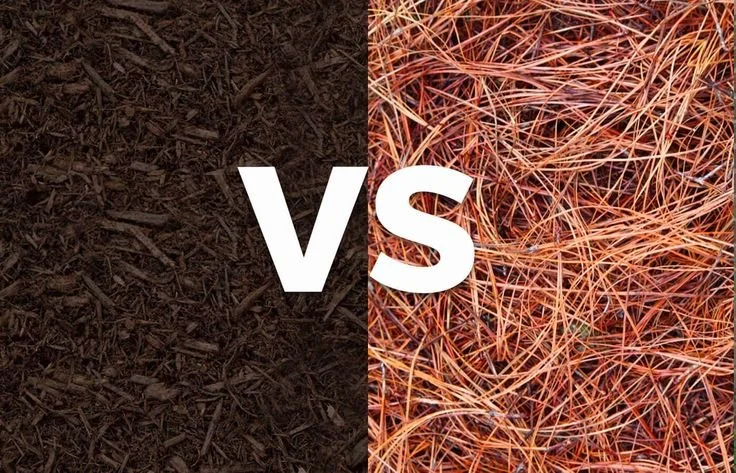
When it comes to upgrading your Wilmington, NC landscape, choosing the right ground cover can make a noticeable difference in both appearance and plant health. Mulch and pine straw are the two most common options in coastal North Carolina, and while both serve important purposes, mulch often provides stronger long term benefits for homeowners looking to protect and enhance their investment.
Why Ground Cover Matters in Wilmington
Wilmington’s coastal climate brings intense summer heat, high humidity, heavy rainfall, and the occasional tropical storm. These conditions can be tough on planting beds. The right ground cover helps regulate soil temperature, retain moisture, reduce weed growth, and prevent erosion.
Both mulch and pine straw can accomplish these goals. However, when it comes to durability, soil improvement, and overall performance in our coastal environment, mulch frequently has the edge.
The Advantages of Mulch
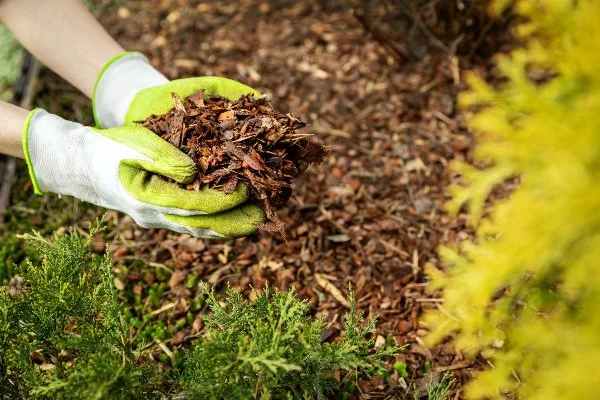
Mulch offers several benefits that make it especially well suited for Wilmington landscapes.
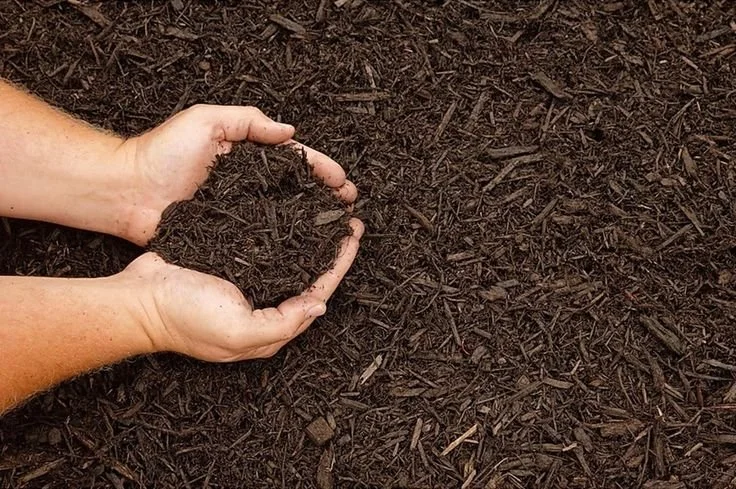
First and most importantly, mulch improves soil health over time. Organic hardwood mulch gradually breaks down, adding valuable nutrients and organic matter back into the soil. This is particularly important in Wilmington’s sandy soils, which often lack the structure and nutrient retention capacity needed for thriving plants. As mulch decomposes, it enhances soil texture and supports stronger root development.
Mulch also provides excellent moisture retention. During Wilmington’s long, hot summers, keeping roots cool and hydrated is critical. A properly installed two to three inch layer of mulch reduces evaporation and helps maintain consistent soil moisture levels. This not only benefits plant health but can also reduce the need for frequent watering.
Another major advantage is weed suppression. Because mulch forms a dense barrier over the soil surface, it limits sunlight from reaching weed seeds. Fewer weeds mean less maintenance and a cleaner, more polished appearance throughout the year.
From a visual standpoint, mulch delivers a refined, uniform look that boosts curb appeal. Available in various natural tones, it allows homeowners to create strong contrast with greenery and flowers. Around foundations, walkways, and entryways, mulch creates clean lines that give beds a professionally maintained appearance.
Where Pine Straw Fits In
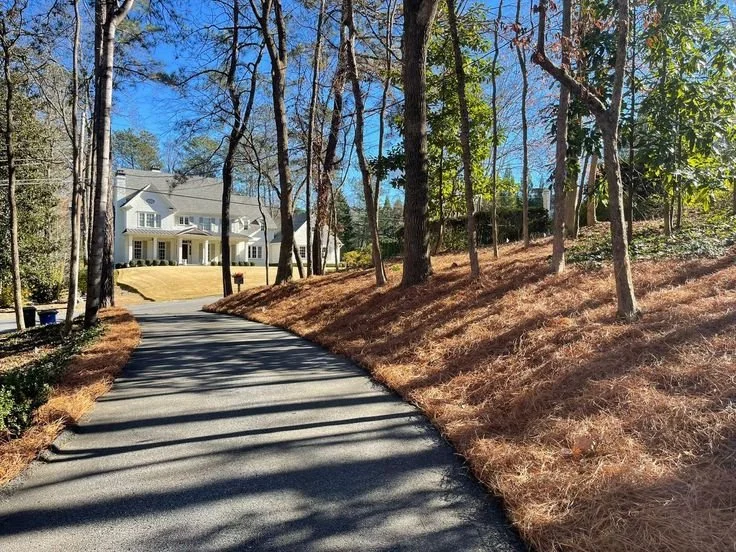
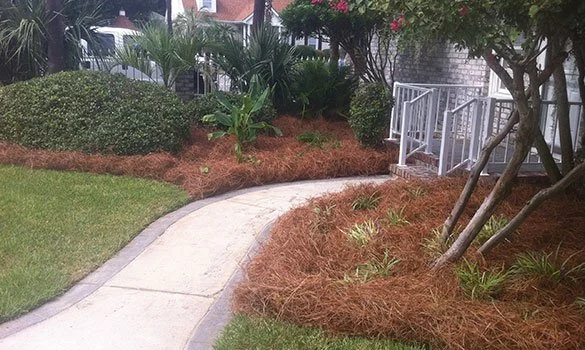
Pine straw certainly has its place in Wilmington landscapes. It is lightweight, easy to spread, and often more cost effective for covering large areas. Its soft, golden appearance blends well with wooded properties and offers a classic southeastern feel.
Pine straw also allows water to filter through easily and can perform well on slopes by helping reduce erosion. For homeowners with expansive planting areas or naturalized sections of yard, it can be a practical option.
However, pine straw does not offer the same level of soil enrichment as mulch. It breaks down more slowly and contributes fewer nutrients over time. It can also shift during strong coastal winds and may require more frequent touch ups to maintain a neat appearance.
Performance in Wilmington’s Climate
Given Wilmington’s mix of heavy rain and intense heat, durability matters. Mulch’s heavier weight helps it stay in place during downpours and tropical weather. It also provides superior insulation during temperature extremes, protecting plant roots year round.
While pine straw handles drainage well, mulch generally provides a more stable and low maintenance solution in high visibility areas. For homeowners who want beds that look tidy and consistent with minimal adjustment after storms, mulch often proves to be the better performer.
Best Use Areas for Mulch
Mulch is particularly effective in front yard beds, around foundations, and in formal landscaping areas where appearance is a top priority. It is also ideal for flower beds and ornamental plantings that benefit from added nutrients and consistent moisture levels.
For homeowners investing in new plant installations or landscape upgrades, mulch provides both immediate visual impact and long term soil improvement. Over time, that added organic matter can significantly enhance plant health and reduce the need for soil amendments.
Final Thoughts
While pine straw can be a suitable option in certain areas, mulch tends to offer more comprehensive benefits for Wilmington homeowners. Its ability to improve soil, retain moisture, suppress weeds, and maintain a polished appearance makes it a strong overall choice for coastal North Carolina landscapes.
If you are looking for a ground cover that supports plant health, withstands local weather conditions, and enhances curb appeal, mulch is often the better long term investment. By installing it properly and refreshing it as needed, you can create a landscape that not only looks beautiful but thrives in Wilmington’s unique coastal environment.
9 Powerful Benefits of Adding a Fire Pit to Your Outdoor Space in Wilmington!
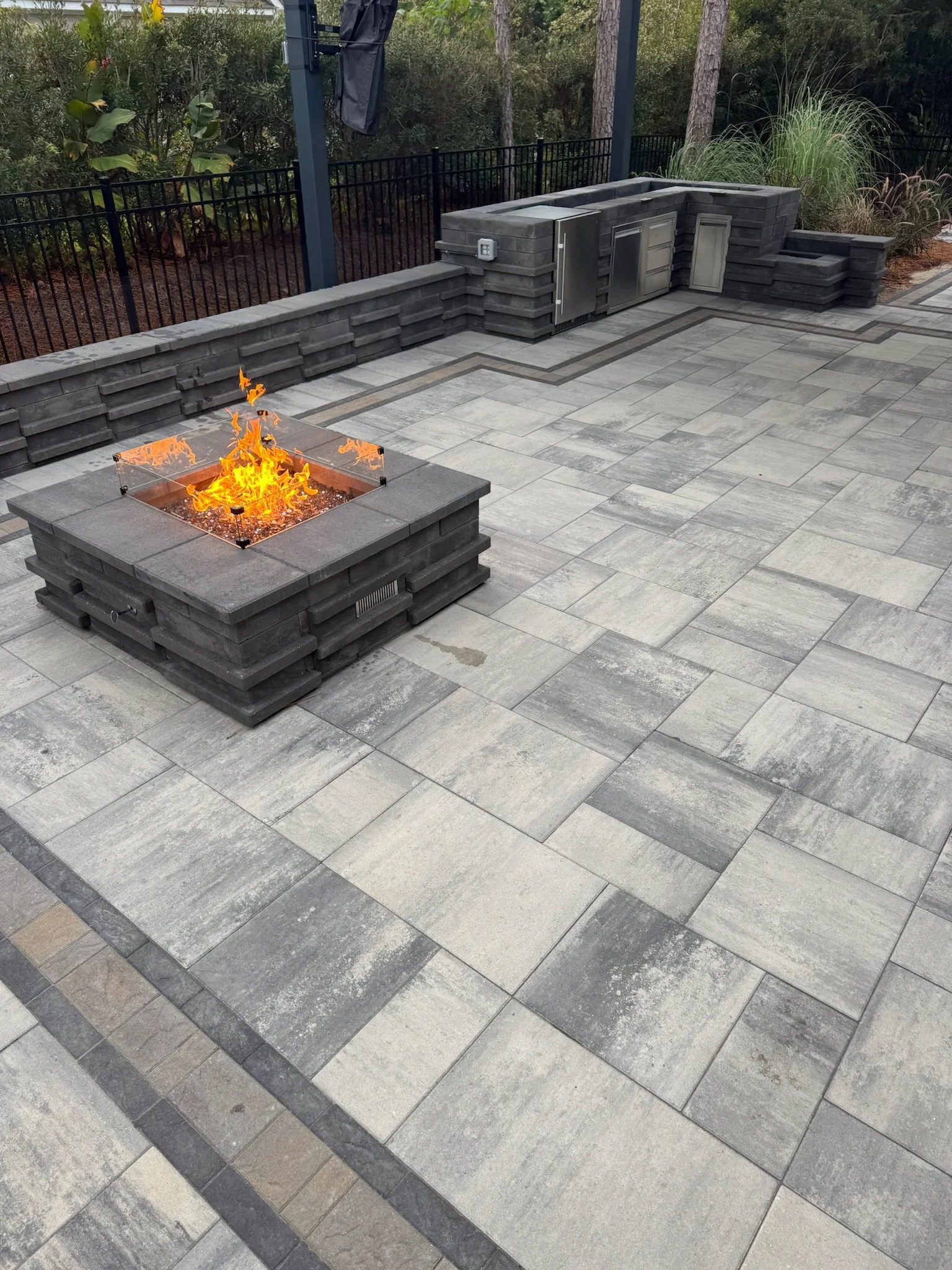
There’s something timeless about gathering around a fire. The warmth, the glow, the way it draws people in it transforms an ordinary backyard into a place where memories are made. Here at Green Side Up! Of Wilmington, we’ve helped countless homeowners turn underused outdoor areas into stunning, functional living spaces. One of the most popular and rewarding upgrades? Adding a fire pit.
If you’re looking to elevate your outdoor space, extend your enjoyment throughout the year, and create a natural gathering spot for family and friends, here’s why a fire pit might be the perfect addition to your Wilmington home.
1-Extend Your Outdoor Living Season
While coastal North Carolina offers relatively mild winters, evenings can still bring a cool breeze especially in the fall and early spring. A fire pit adds warmth and comfort, allowing you to enjoy your patio long after the sun sets.
Instead of heading indoors when temperatures dip, you can stay outside and relax beside the fire. With the right design and placement, your fire pit becomes the heart of your backyard, making it usable and inviting in every season.
2-Create a Natural Gathering Space
There’s a reason humans have gathered around fires for centuries it brings people together.
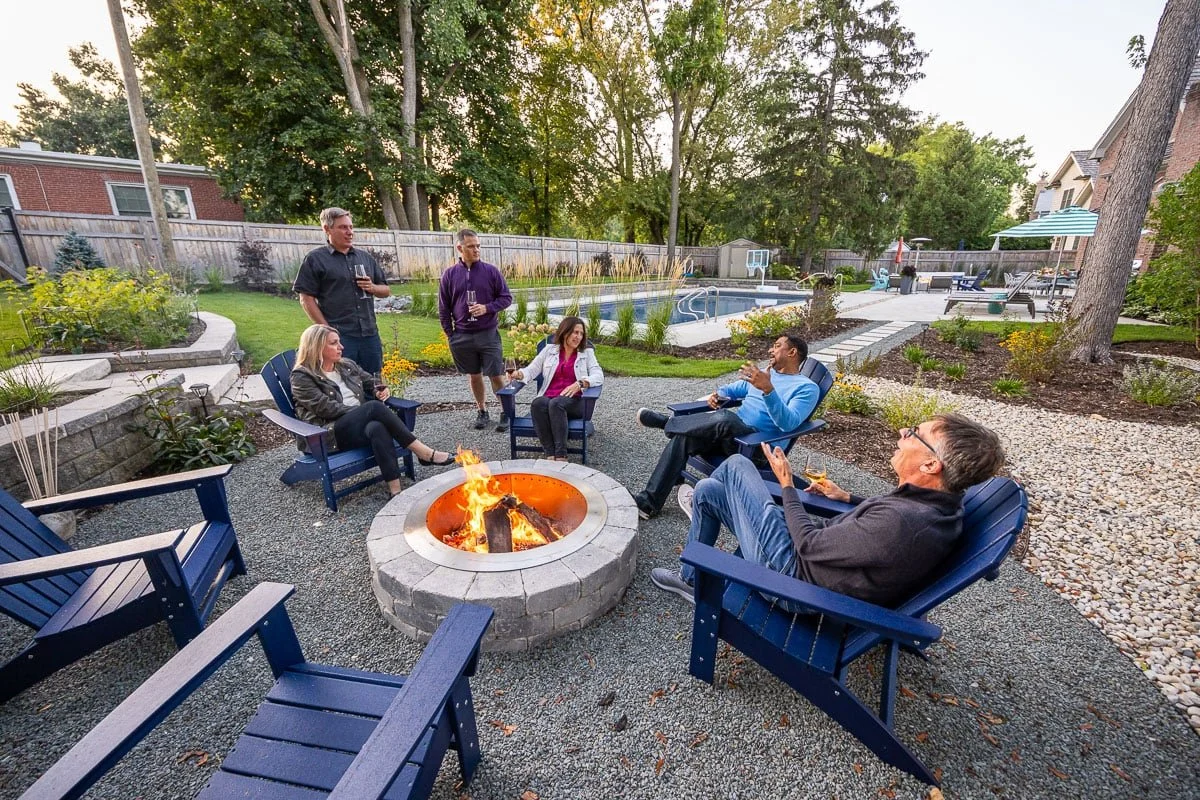
Unlike a television or other entertainment feature that directs attention outward, a fire pit naturally encourages conversation. Seating arranged in a circle fosters connection, whether you’re hosting neighbors, celebrating a special occasion, or simply unwinding with your family after a long day.
For Wilmington homeowners who love to entertain, a fire pit instantly elevates the hosting experience and creates a warm, welcoming atmosphere guests won’t forget.
3-Increase Property Value and Curb Appeal
Outdoor living spaces are in high demand, and buyers increasingly see them as an extension of the home itself. A professionally designed fire pit adds both visual interest and functional value to your property.
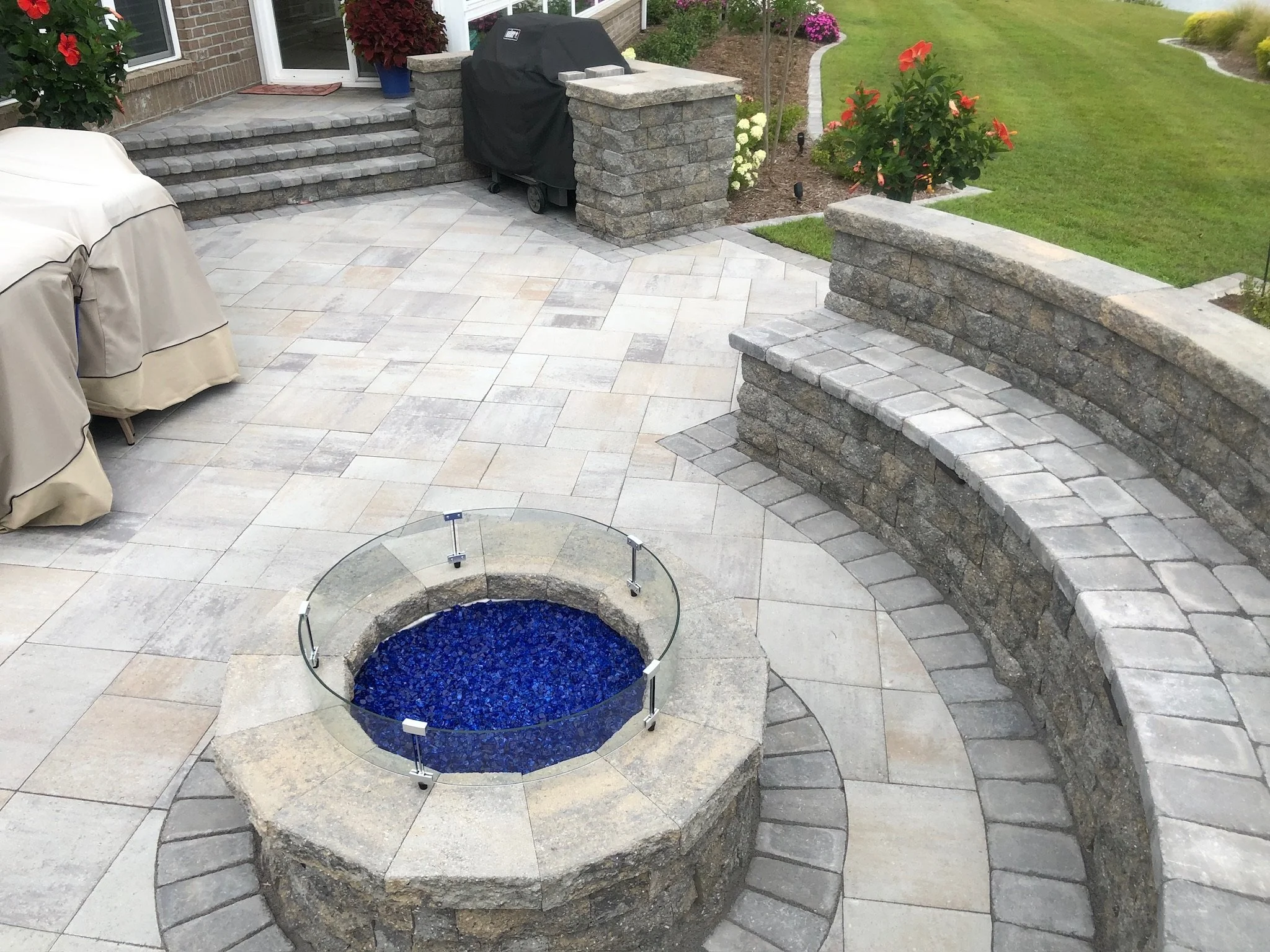
When integrated with a custom paver patio, seating walls, or landscape lighting, a fire pit can enhance the overall flow of your outdoor design, make your home stand out in the real estate market, and increase perceived living space.
In a place like Wilmington, where outdoor living is a way of life, features like this are especially appealing to future buyers.
4-Enjoy Versatile Design Options
One of the biggest advantages of adding a fire pit is the flexibility in design. Every backyard is different and your fire feature should reflect your home’s style and how you plan to use the space.
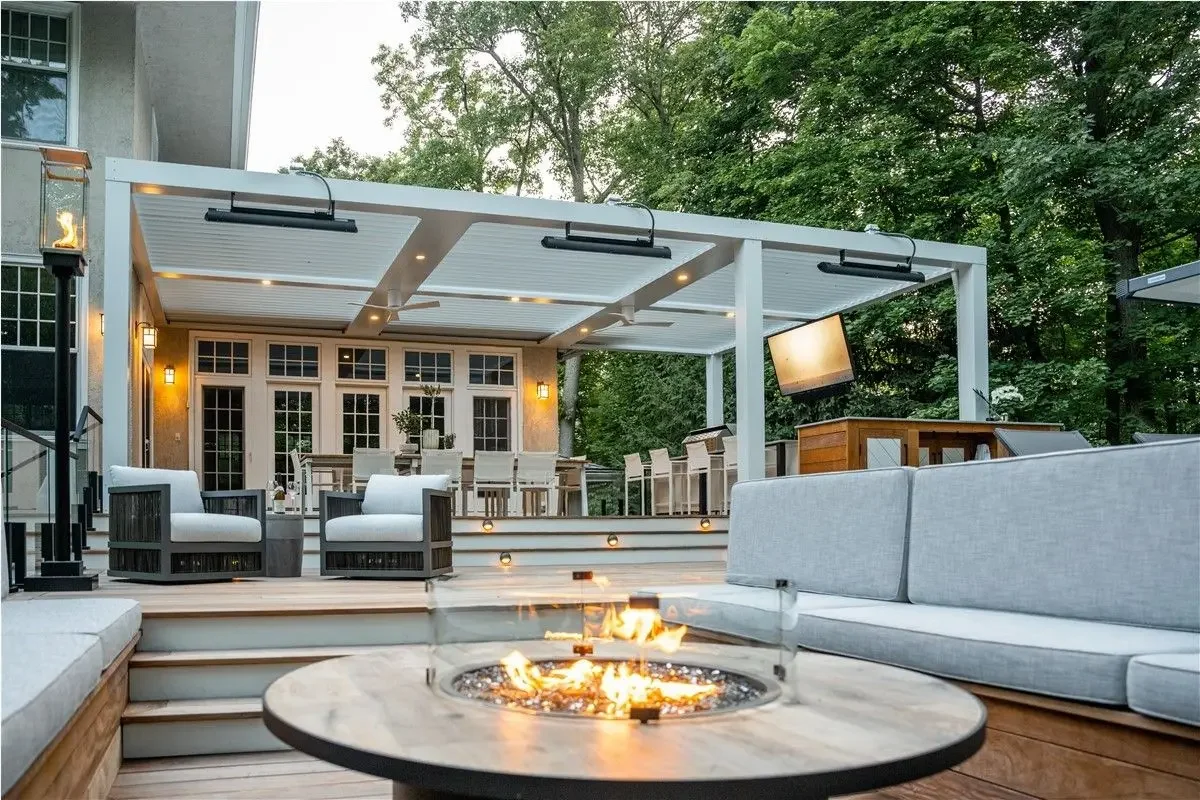
You can choose from wood burning fire pits for a classic, rustic feel, gas fire pits for easy ignition and low maintenance, built in stone or brick designs for a high end permanent look, or modern concrete and sleek contemporary styles for a clean aesthetic.
At Green Side Up! Of Wilmington, we design fire pits that blend seamlessly with your patio, retaining walls, landscaping, and overall layout. The result is a cohesive outdoor space that feels intentional and inviting.
5-Add a Space to Relax and Unwind
Your backyard should be more than something you look at it should be a place you escape to.
The gentle flicker of flames and the soft crackle of a fire create an atmosphere that instantly reduces stress. Imagine ending your day with a cup of coffee or a glass of wine beside a warm fire, surrounded by soft landscape lighting and fresh coastal air.
A fire pit turns your yard into a personal retreat.
6-Encourage More Time Outdoors
In today’s world of busy schedules and endless screens, it can be difficult to pull everyone outside. A fire pit makes it easy.
From roasting marshmallows to telling stories under the stars, it creates simple moments that become lasting traditions. It encourages kids to unplug, invites neighbors to stop by, and transforms ordinary evenings into memorable experiences.
Your backyard becomes a destination not just an afterthought.

7-Give Purpose to Underutilized Areas
Many homeowners have corners of their yard that feel empty or unfinished. A fire pit can anchor these spaces and give them purpose.
Whether tucked into a quiet section of your landscape or integrated into a larger patio design, it helps define a seating area and creates structure within open lawn spaces. Even awkward or overlooked areas can become favorite gathering spots with thoughtful planning and professional installation.
8-Professional Installation Makes All the Difference
While DIY options may seem tempting, proper installation is critical for safety, durability, and long term enjoyment especially in our coastal climate.
Professional installation ensures proper foundation and drainage, safe fuel line setup for gas systems, correct spacing from structures, and high quality materials built to withstand the elements.
At Green Side Up! Of Wilmington, we focus on craftsmanship and detail, ensuring your fire pit not only looks beautiful but stands the test of time.
9-A Smart Investment in Your Lifestyle
At the end of the day, adding a fire pit isn’t just about improving your yard it’s about enhancing how you live in your home.
It’s about spontaneous conversations on cool evenings.
It’s about hosting friends without feeling confined indoors.
It’s about creating a space where memories are made year after year.
If you’re ready to transform your outdoor space into something warm, inviting, and truly functional, a custom fire pit may be the perfect place to start.
Green Side Up! Of Wilmington is here to help you design and build an outdoor living area that fits your vision, your home, and your lifestyle. Let’s create a backyard you’ll never want to leave!
The Benefits of Regular Aeration for Coastal NC Lawns
Maintaining a healthy, attractive lawn in Wilmington, North Carolina and throughout the coastal region comes with its own unique set of conditions. Sandy soils, seasonal rainfall, warm temperatures, and coastal humidity all play a role in how turf performs year-round. One of the most effective ways to support long-term lawn health in this environment is regular lawn aeration.
Aeration improves soil structure, strengthens roots, and helps your lawn make better use of water and nutrients — all of which are especially important in coastal North Carolina.
What Is Lawn Aeration?
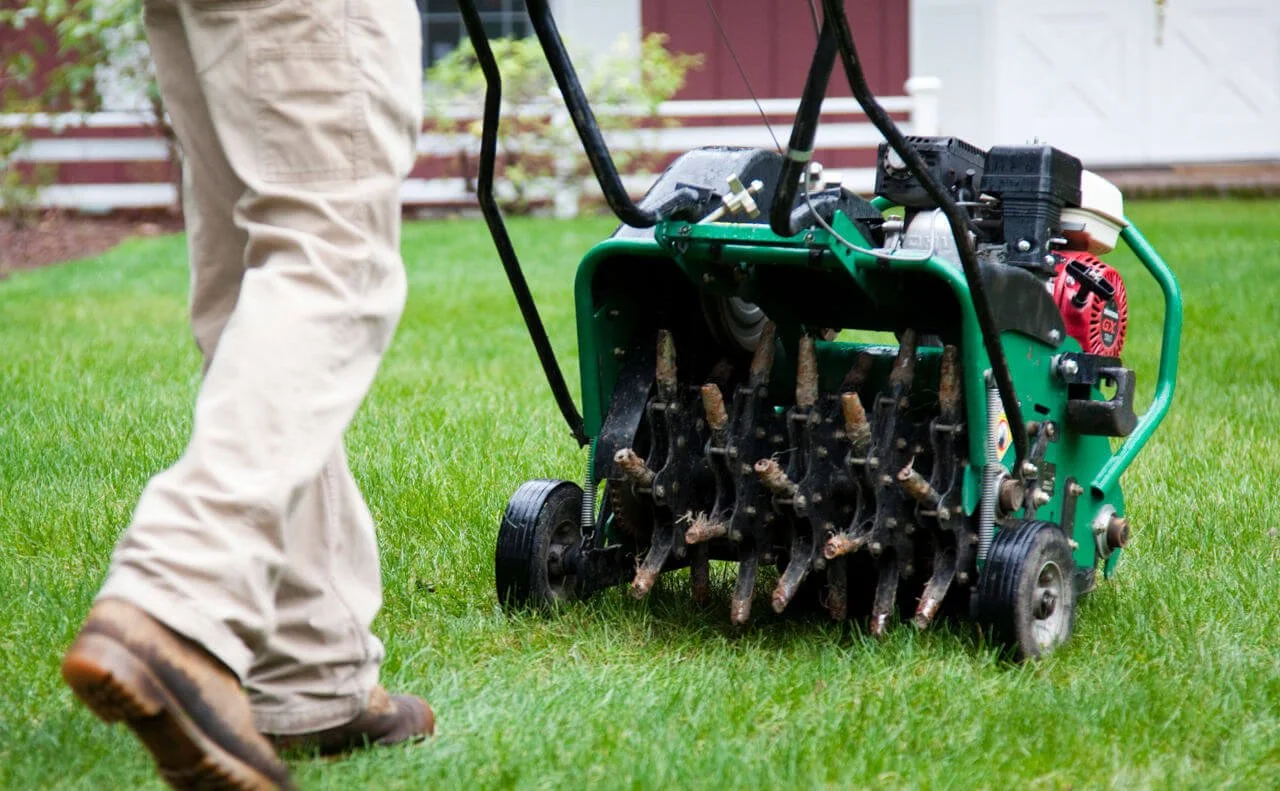
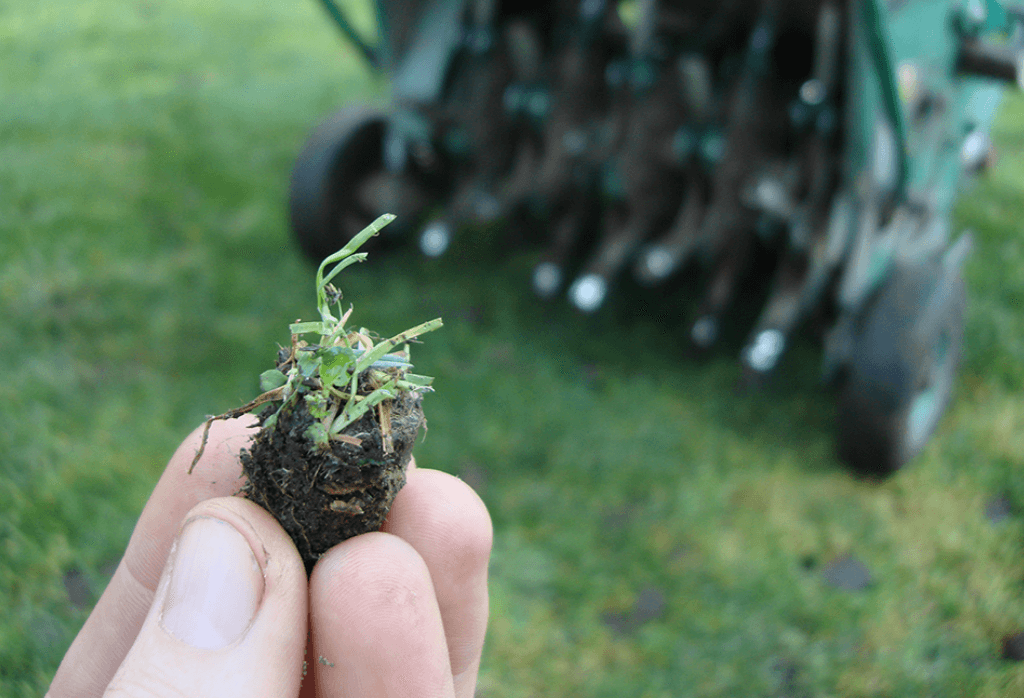
Lawn aeration is the process of removing small plugs of soil from the lawn surface. These openings allow air, water, and nutrients to move deeper into the soil and reach the root system more efficiently. Core aeration, which removes soil plugs, is the most effective method and is commonly recommended for residential lawns.
Once the plugs break down naturally, they return valuable organic material to the soil and continue improving soil structure over time.
Coastal NC Soil Conditions and Lawn Health
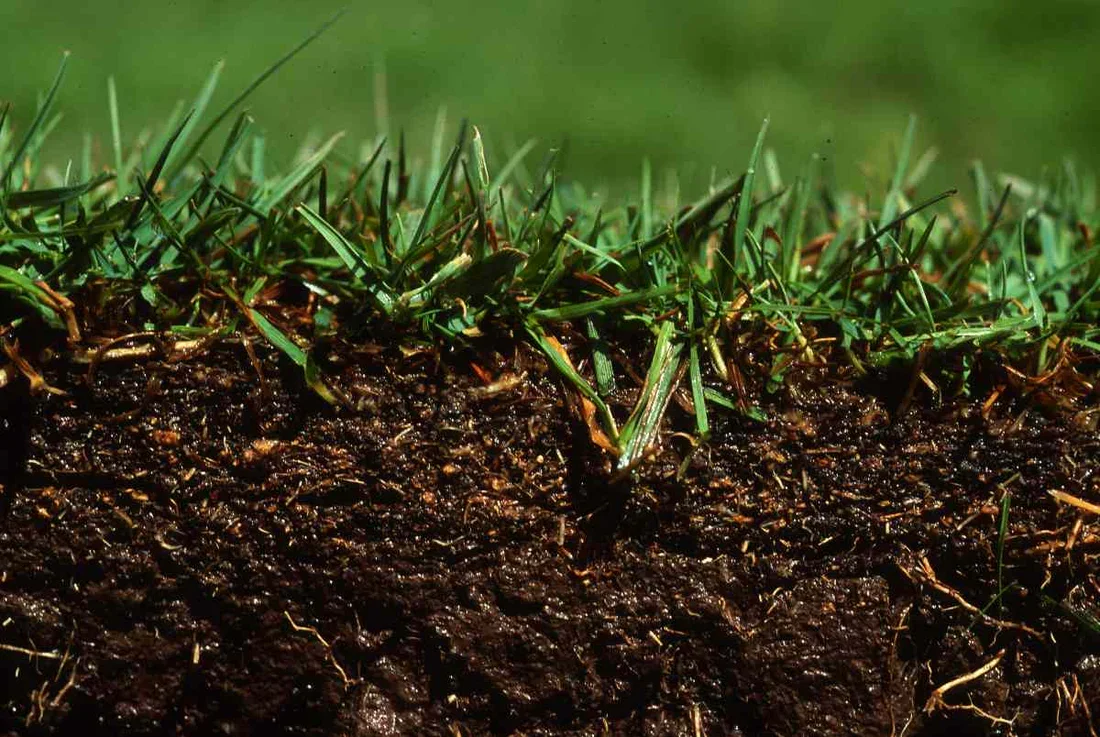
Soils in Wilmington and the surrounding coastal areas are typically sandy or sandy-loam, which allows for quick drainage but can struggle to hold onto moisture and nutrients. Over time, foot traffic, rainfall, and normal lawn use can cause the soil to become compacted at the surface, limiting root growth and overall turf performance.
Aeration helps counteract these conditions by loosening the soil and creating space for roots to expand and breathe.
Key Benefits of Regular Aeration:
Improved Water Movement:
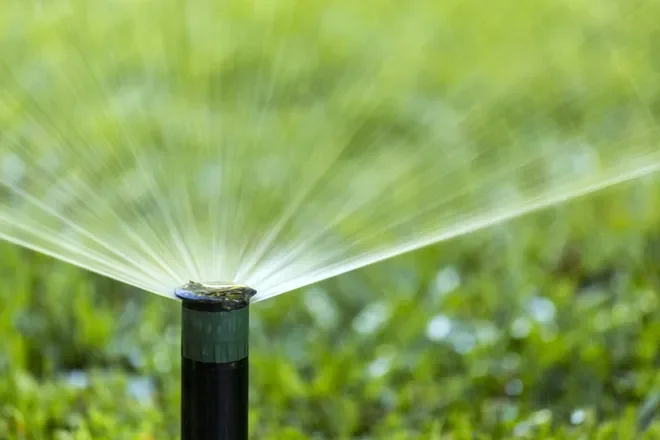
Aeration helps water move more efficiently into the soil instead of sitting on the surface or running off. This allows grass roots to access moisture where it’s needed most and supports healthier growth during both rainy periods and drier stretches. For coastal lawns, this improved water movement helps maintain balance in the soil and supports consistent turf performance throughout the growing season.
Stronger, Healthier Root Systems
Compacted soil restricts root growth. Aeration opens up the soil, encouraging roots to grow deeper and stronger. This results in a lawn that is better able to handle heat, seasonal stress, and regular foot traffic. Warm-season grasses commonly found in coastal North Carolina, such as Bermuda, Zoysia, Centipede, and St. Augustine -benefit greatly from this improved root development.
Better Nutrient Efficiency
Fertilizers are most effective when nutrients can reach the root zone. Aeration allows nutrients to penetrate deeper into the soil, improving absorption and reducing waste. This leads to more efficient lawn care treatments and more consistent color and density across the lawn.
Reduced Soil Compaction
Over time, soil naturally becomes compacted, especially in high-use areas. Aeration breaks up this compaction, restoring the soil’s ability to exchange air and moisture. Looser soil supports healthier microbial activity, which plays a key role in long-term turf health.
Thicker, More Uniform Turf
With improved root access to water, oxygen, and nutrients, grass grows thicker and fills in more evenly. Regular aeration helps reduce thinning and bare spots, creating a fuller, more uniform lawn appearance.
When to Aerate Lawns in Coastal North Carolina
Timing aeration correctly ensures the best results. In Wilmington and other coastal areas, lawns should be aerated during periods of active growth.
Recommended timing:
Late spring to early summer for warm-season grasses
Avoid aeration during dormancy or extreme heat
This timing allows grass to recover quickly and take full advantage of the improved soil conditions.
How Often Should You Aerate?
Most coastal lawns benefit from annual aeration. Lawns that receive heavy foot traffic or show signs of compaction may benefit from aeration more frequently.
Common signs that aeration may be needed include:
Hard or compacted soil
Thinning or uneven grass growth
Water lingering on the surface after irrigation
Reduced response to fertilizer
Professional Aeration vs. DIY
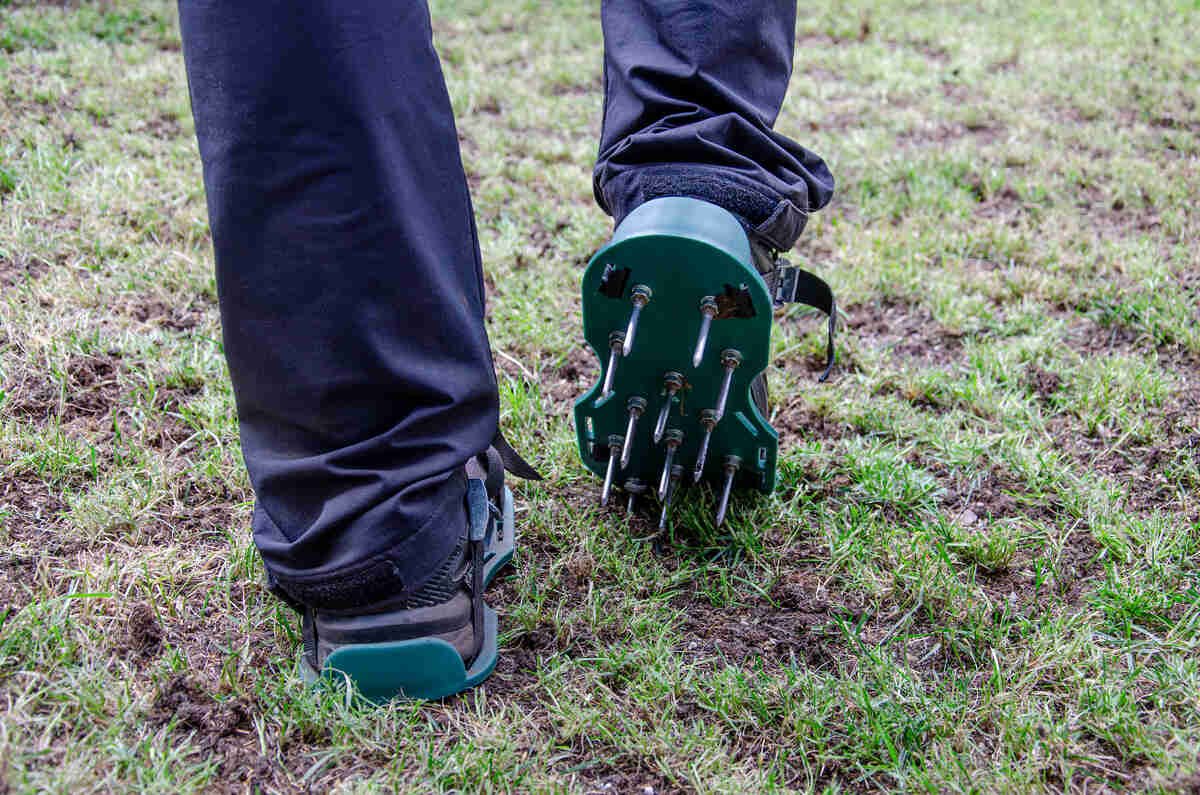
While aeration equipment can be rented, professional aeration services often provide more consistent results. Professionals understand local soil conditions, grass types, and seasonal timing, ensuring aeration is done correctly and at the right depth.
Many professional services also pair aeration with fertilization or soil improvements for added benefit.
Final Thoughts
Regular lawn aeration is a simple yet powerful way to improve lawn health in Wilmington and throughout coastal North Carolina. By improving soil structure, strengthening root systems, and helping your lawn make better use of water and nutrients, aeration supports a greener, more resilient landscape throughout the growing season.
At Green Side Up of Wilmington, we are educated, experienced, and intentional in every aspect of landscape care. Our team understands coastal soil conditions and applies proven, thoughtful practices that support long-term lawn health - not quick fixes.
If you’re ready to improve the health and appearance of your lawn, trust a local landscaping company that truly knows coastal North Carolina.
—> Contact Green Side Up of Wilmington today to schedule your lawn aeration or request a personalized consultation.
Common Lawn Diseases in Coastal North Carolina and How to Prevent Them
In Coastal North Carolina, a lawn can look healthy one week and show signs of damage the next. High humidity, warm temperatures, and frequent rainfall create the perfect environment for lawn diseases to take hold, especially in the Wilmington area. What starts as a small patch of discoloration can quickly spread if left untreated. Understanding the most common lawn diseases in our region is the first step to protecting your lawn and keeping it strong throughout the seasons.
The good news is that most lawn diseases can be prevented with proper care, timing, and maintenance practices. Knowing what to watch for and how to respond early can make the difference between a minor issue and widespread lawn damage.
Below are some of the most common lawn diseases seen in coastal North Carolina, along with practical prevention tips to help keep your lawn healthy throughout the year.
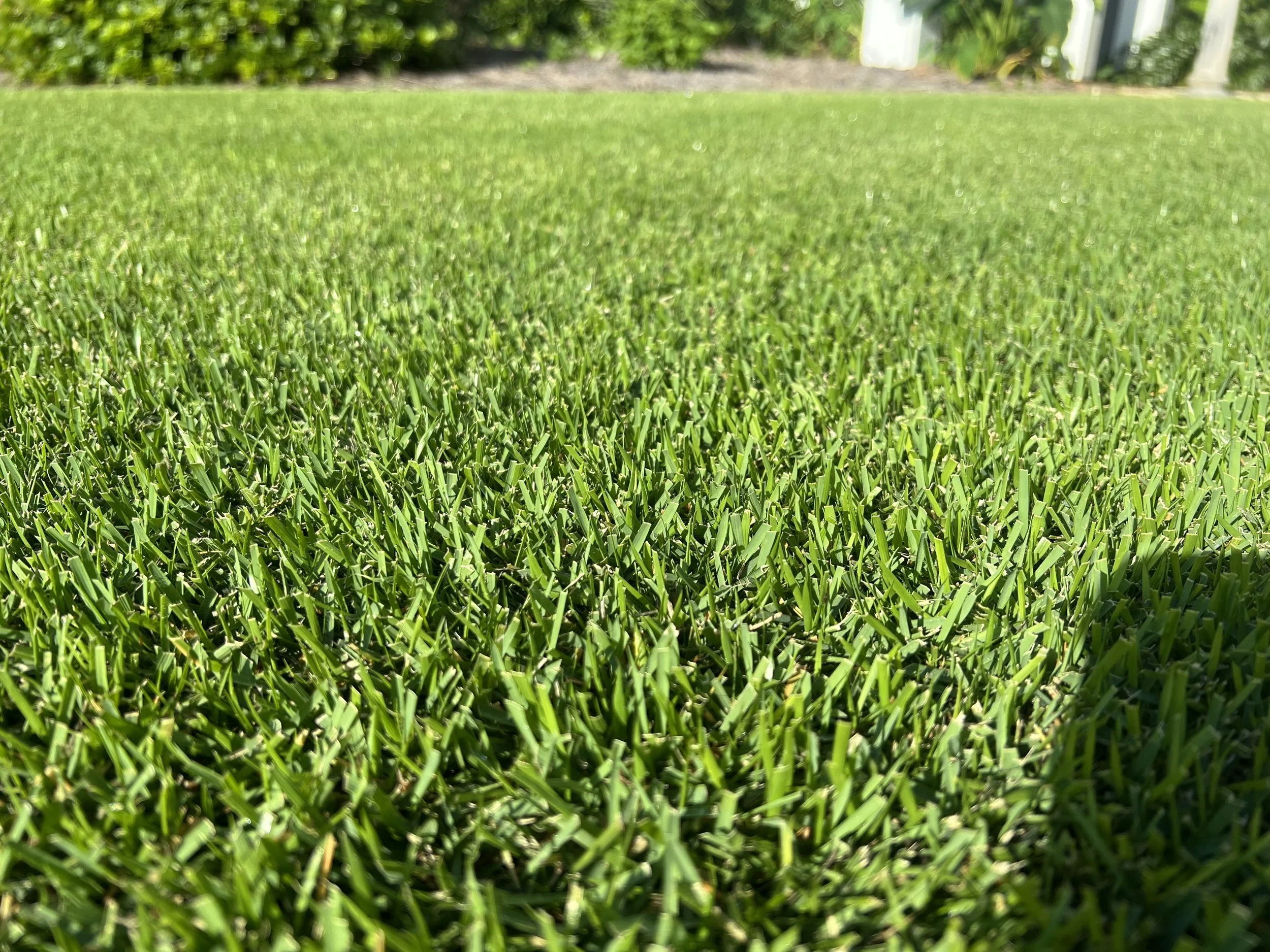
Healthy Coastal North Carolina Law
Brown Patch
Brown patch is one of the most common lawn diseases in the Wilmington area, especially during late spring and summer when temperatures stay warm and humidity levels remain high.
This disease usually appears as circular or irregular patches of brown or tan grass. In the early morning hours, a gray or smoky ring may be visible around the edges of affected areas. Brown patch spreads quickly when grass blades stay wet for extended periods.
Overwatering, watering late in the day, poor drainage, and limited air movement all contribute to the development of brown patch. Lawns with compacted soil or excessive thatch are particularly vulnerable.
To reduce the risk of brown patch, water early in the morning so grass blades have time to dry throughout the day. Avoid excessive irrigation during humid weather and improve airflow by trimming surrounding plants. Core aeration can also help improve drainage and overall soil health.
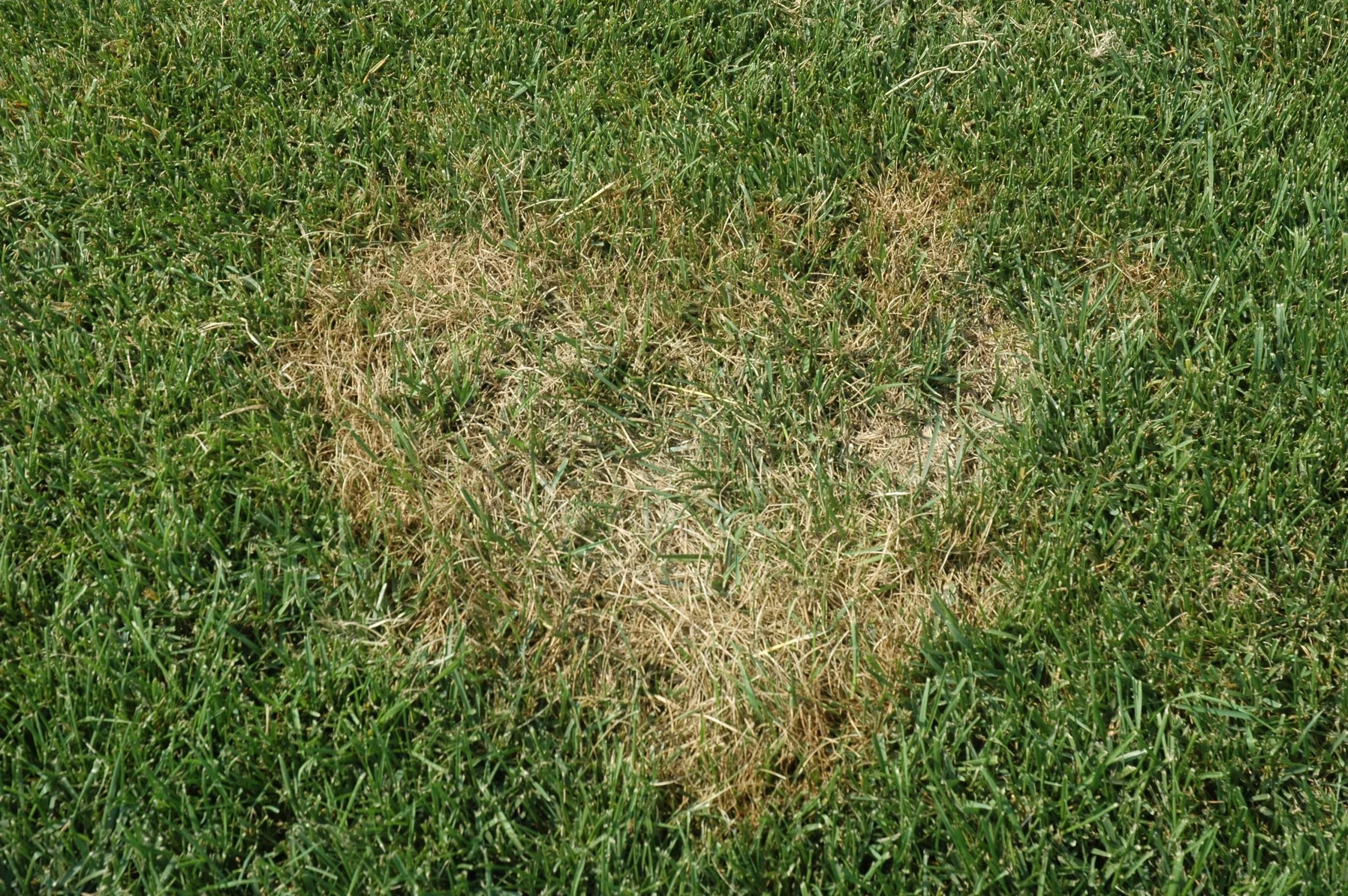
Brown Patch Lawn Damage
Dollar Spot
Dollar spot is another common lawn disease found throughout southeastern North Carolina. It can affect both warm season and cool season grasses, making it a frequent concern for many homeowners.
This disease gets its name from the small, round, straw colored spots it creates on the lawn. These spots are often about the size of a silver dollar and may grow together as the disease spreads.
Dollar spot often develops in lawns with low nitrogen levels, inconsistent watering, or prolonged leaf moisture from dew, rainfall, or irrigation.
Preventing dollar spot starts with maintaining proper fertilization and consistent watering practices. Mowing with sharp blades and avoiding mowing when grass is wet can also help reduce the spread of fungal spores.
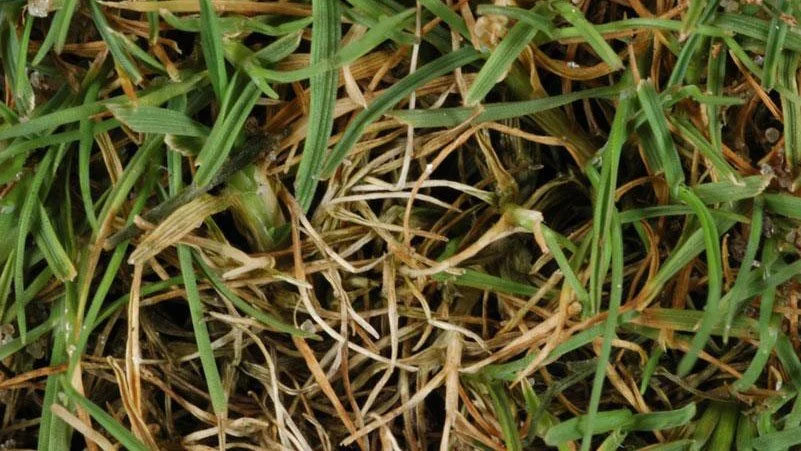
Dollar Spot Close Up
Leaf Spot and Melting Out
Leaf spot diseases are most common during cooler and wetter periods in spring and fall. If not managed early, leaf spot can progress into a more severe condition known as melting out, which can cause significant thinning of turf.
Early symptoms include small dark lesions on grass blades. As the disease advances, grass may weaken, thin out, and collapse in patches, leaving the lawn uneven and stressed.
These diseases thrive in shaded areas with poor drainage, excessive moisture, and heavy thatch buildup. Overwatering and mowing too low can further weaken grass and increase susceptibility.
To prevent leaf spot, avoid watering late in the day, maintain proper mowing height, and reduce thatch through aeration when needed. Improving sunlight exposure and airflow can also make a noticeable difference.
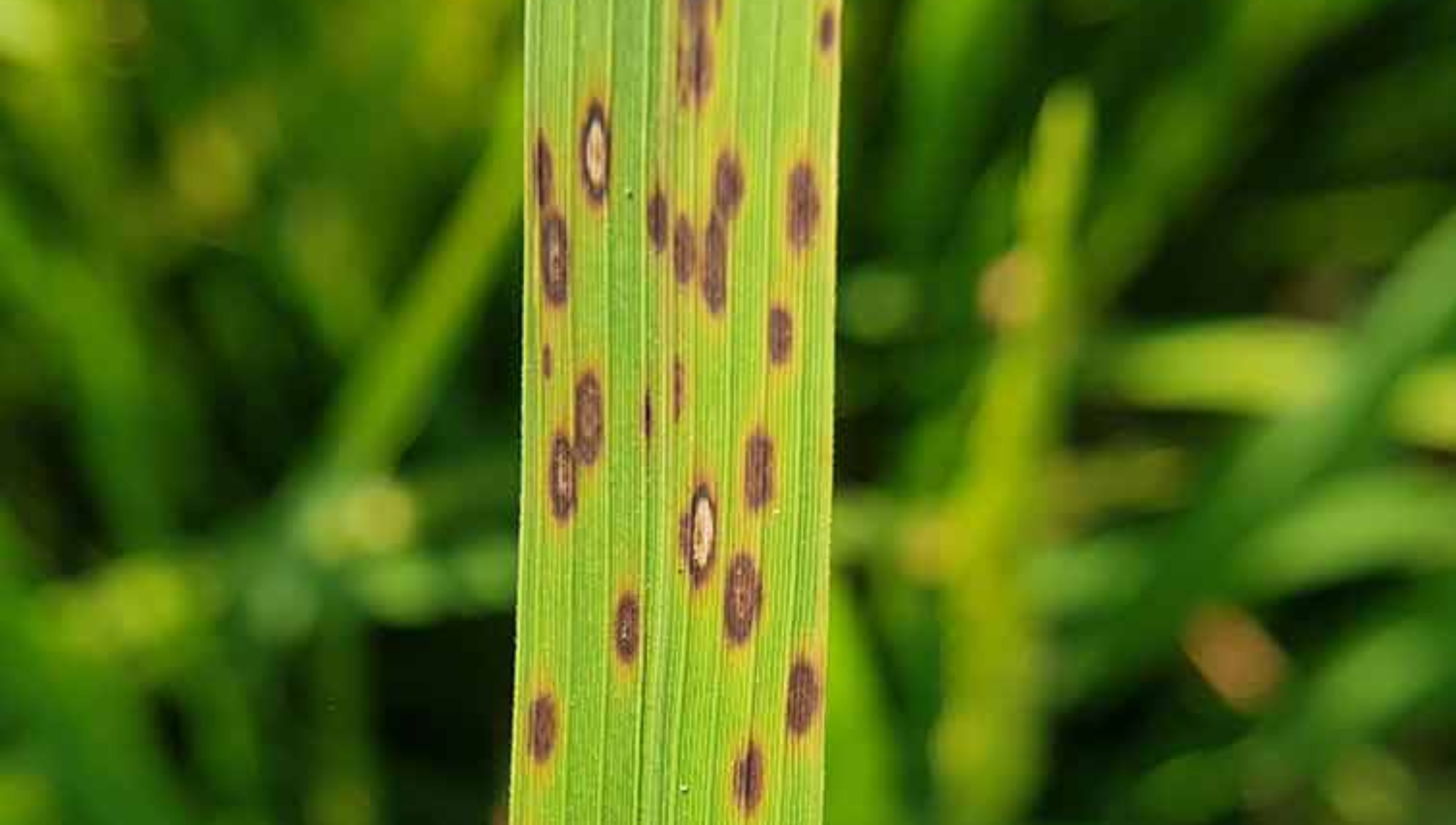
Leaf Spot Symptoms
Rust Disease
Rust disease commonly appears in late summer and early fall and is often mistaken for a nutrient deficiency. While rust rarely kills grass, it weakens turf and impacts overall lawn appearance.
Affected grass blades develop orange or reddish powder that can rub off onto shoes, pets, or lawn equipment. Lawns may appear dull, thin, and slow to recover from stress.
Rust is more likely to develop in lawns that are stressed due to low fertility, drought conditions, shade, or high humidity.
Maintaining proper fertilization, watering during dry periods, and improving sunlight exposure can help strengthen turf and reduce the likelihood of rust developing.
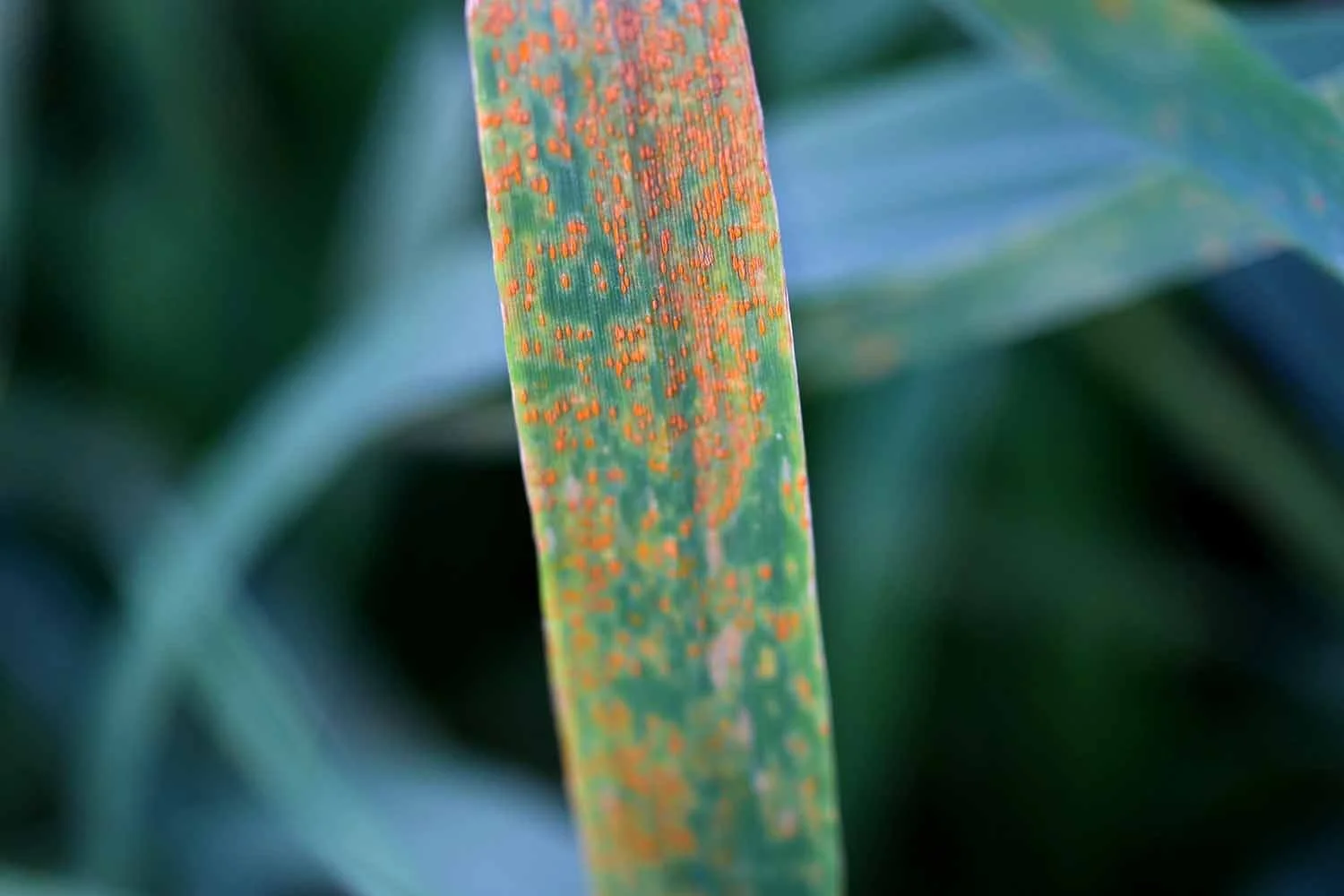
Rust Disease on Grass Blades
Red Thread
Red thread disease is most noticeable during spring and fall when temperatures are moderate and moisture levels remain high. It can appear suddenly and spread quickly under the right conditions.
This disease is identified by thin red or pink strands extending from grass blades, giving the lawn a reddish or pink tint. Although it can look severe, affected grass often recovers once conditions improve.
Red thread typically develops in lawns with low nitrogen levels combined with prolonged moisture and limited airflow.
Applying fertilizer according to soil test recommendations, avoiding excessive watering, and improving airflow around the lawn are effective ways to prevent red thread.
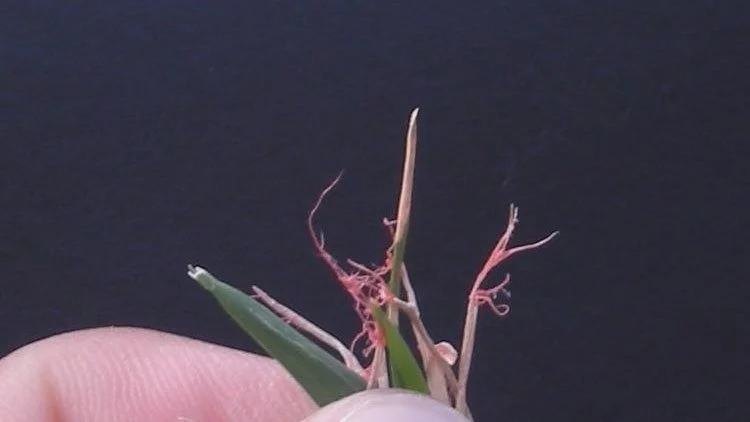
Red Thread Disease
Summer Patch
Summer patch is a more serious lawn disease that attacks grass roots rather than leaf blades, making it more difficult to detect early.
Symptoms usually appear during the hottest part of summer as irregular patches of thinning or dead grass that do not recover with watering. Affected turf may pull up easily due to weakened root systems.
Summer patch is associated with high soil temperatures, compacted soil, improper soil pH, drought stress, and excessive nitrogen applied in late spring.
Preventing summer patch requires a long term approach. Regular aeration, proper soil pH management, limiting nitrogen during warm months, and encouraging deep root growth through proper watering are all important steps.
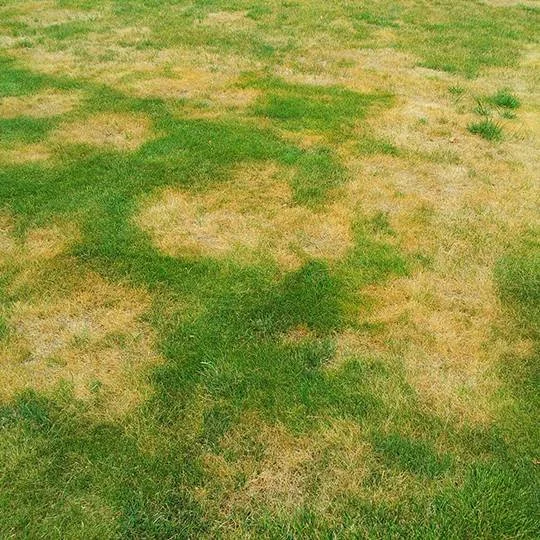
Summer Patch Lawn Damage
General Lawn Disease Prevention for Coastal North Carolina
While each lawn disease has specific causes, strong overall lawn care practices help prevent most turf problems in coastal North Carolina.
Water lawns deeply and early in the morning to reduce prolonged leaf moisture. Fertilize based on soil test results to avoid nutrient imbalances. Mow at the correct height for your grass type and avoid removing more than one third of the grass blade at a time.
Managing thatch and soil compaction through aeration improves airflow and drainage, making lawns less inviting to disease. Choosing grass types well suited for coastal conditions also supports long term lawn health.
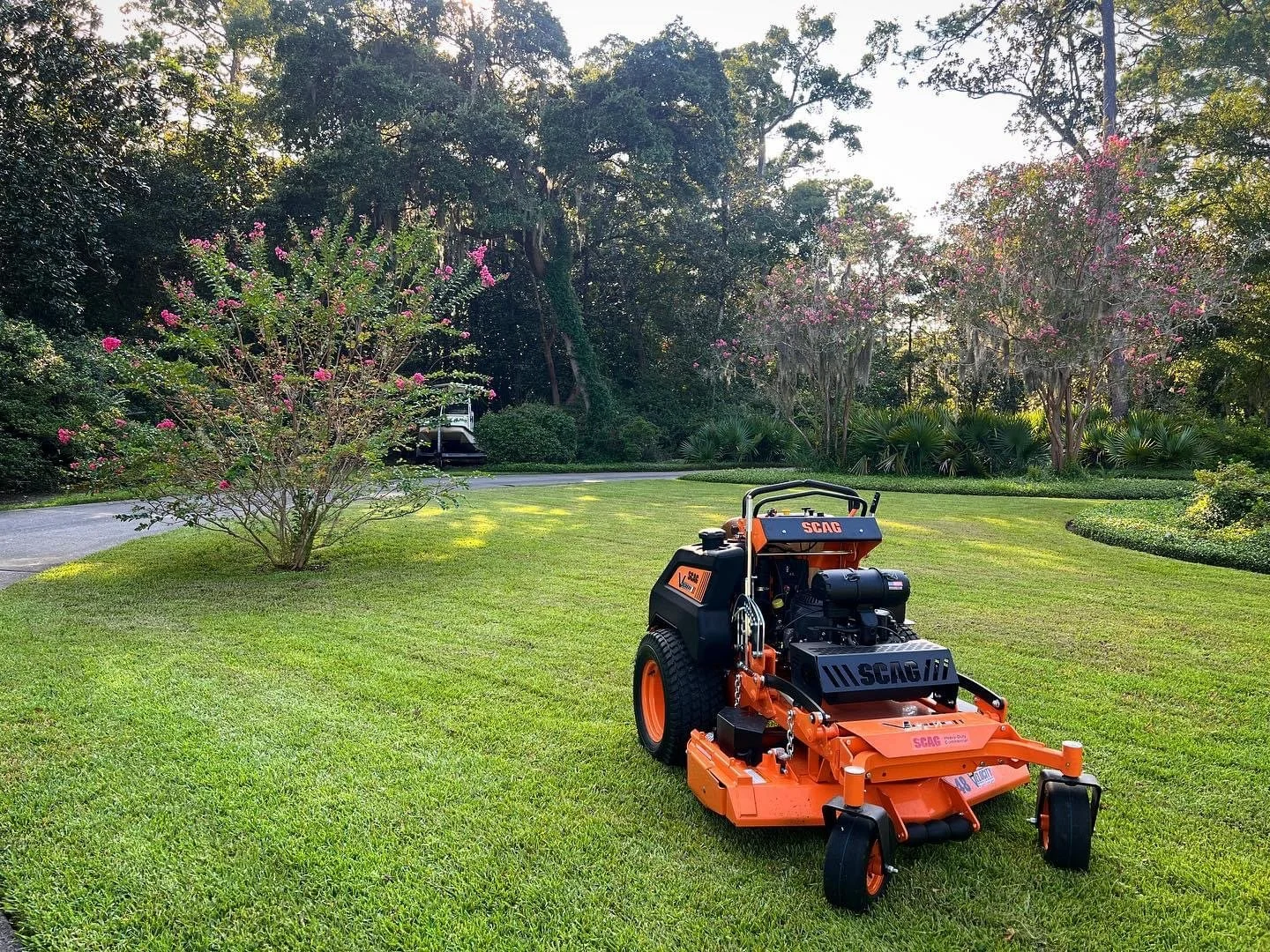
Lawn Maintenance or Professional Service
When to Seek Professional Help
If lawn damage spreads quickly, returns year after year, or does not improve with proper maintenance, professional diagnosis may be necessary. Lawn care professionals can identify the specific issue and recommend targeted treatments to protect your lawn.
Coastal North Carolina lawns require more than basic maintenance. They require informed care, proper timing, and an understanding of the conditions that impact turf health year round. If you want a lawn that is managed with intention and expertise, Green Side Up Of Wilmington offers professional solutions tailored to our local climate. From disease prevention to long term lawn health strategies, our team provides knowledgeable, detail driven care designed to protect your investment. Contact Green Side Up Of Wilmington today to schedule a consultation and experience a higher standard of lawn care.

Landscaping Plants That Thrive in Wilmington, NC Coastal Conditions
It All Begins Here
Landscaping in Wilmington, North Carolina comes with its own unique set of challenges and opportunities. With salty air, sandy soils, high humidity, intense summer heat and the occasional tropical storm, not every plant is cut out for coastal living. The good news is that many beautiful and resilient plants thrive here when chosen intentionally.
The landscapes featured throughout this post showcase plants that perform exceptionally well in our coastal environment, from vibrant flowering shrubs to low maintenance grasses and trees that bring year round structure and curb appeal.
Whether you are designing a low maintenance landscape, refreshing your curb appeal or creating an outdoor space meant to be enjoyed day and night, these plants are proven performers in the Wilmington area.
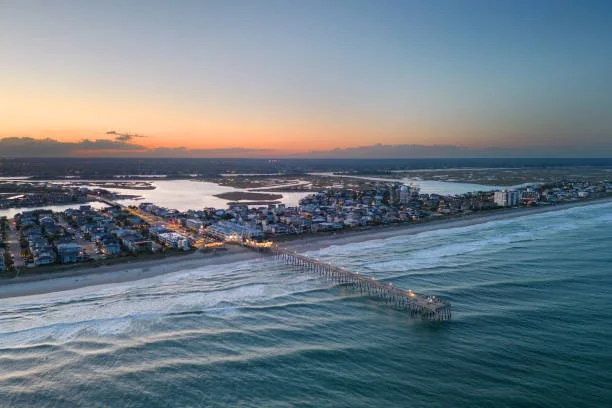
Understanding Wilmington’s Coastal Growing Conditions
Before selecting plants, it is important to understand what makes coastal landscaping different. Sandy soil drains quickly. Salt exposure is common. Humidity is high. Summers are long and hot while winters remain mild. Occasional flooding and strong winds also play a role.
Plants that succeed here are typically salt tolerant, drought resistant once established and capable of handling heat without constant watering.
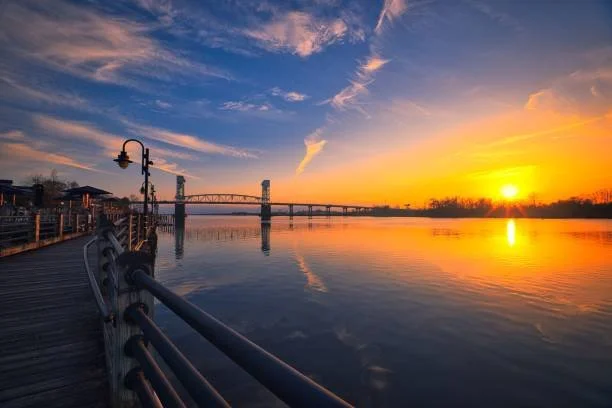
Shrubs That Perform Well Along the Coast
Shrubs are the backbone of any landscape, providing structure, fullness and year round interest.
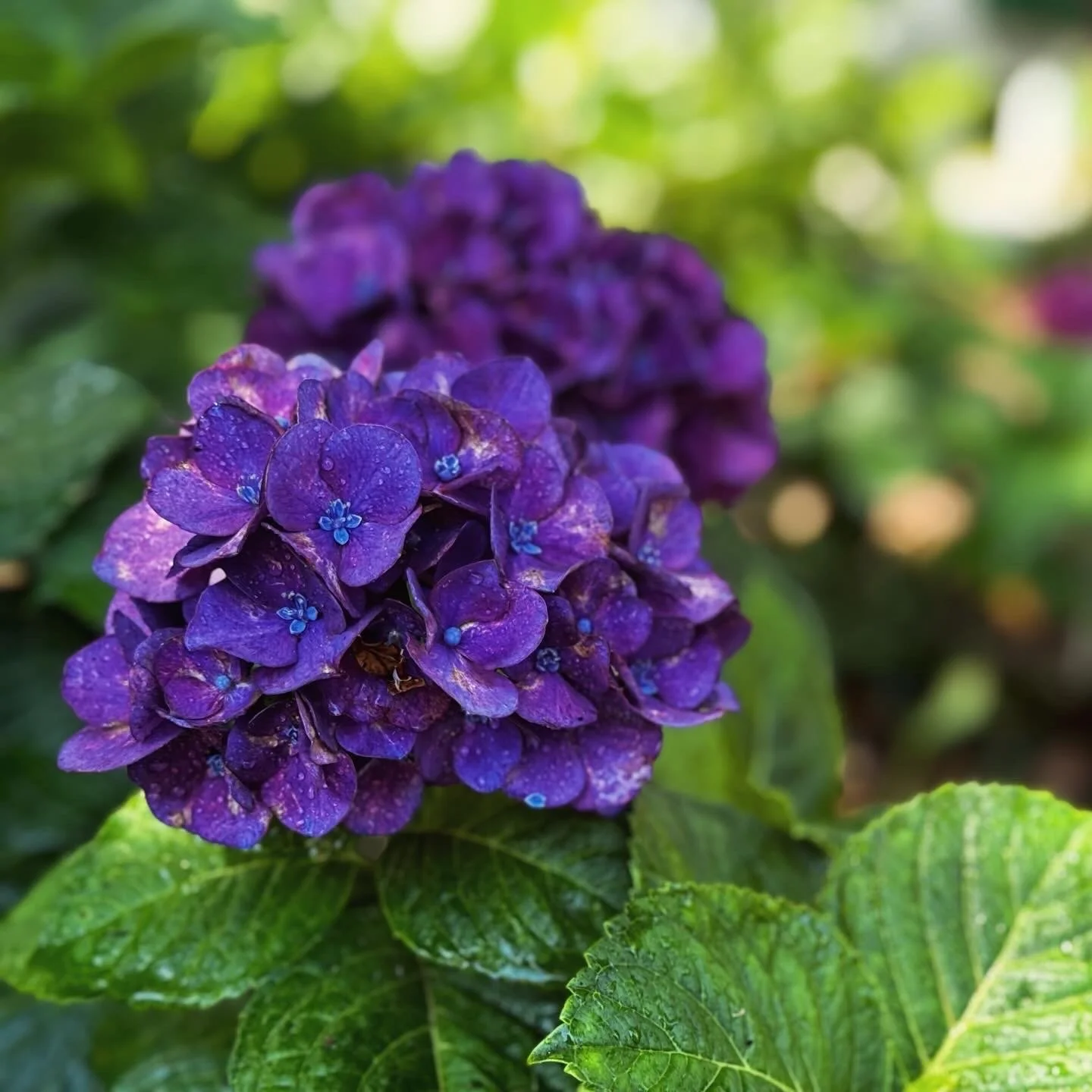
One of the standout plants shown in the photos is Hydrangea, a favorite in Wilmington landscapes. Hydrangeas thrive in our humid coastal climate and provide bold color with large, full blooms. Whether planted in partial shade or used as a foundation plant, they add instant impact and a polished look to garden beds.
Wax Myrtle is another coastal staple. It grows quickly, stays evergreen and tolerates sandy soil and salt spray. It is often used for privacy hedges or natural screens and requires very little maintenance once established.
Yaupon Holly is native to the Southeast and extremely adaptable. It handles pruning well, tolerates drought and offers seasonal interest with small red berries, making it a strong option for both formal and naturalized landscapes.
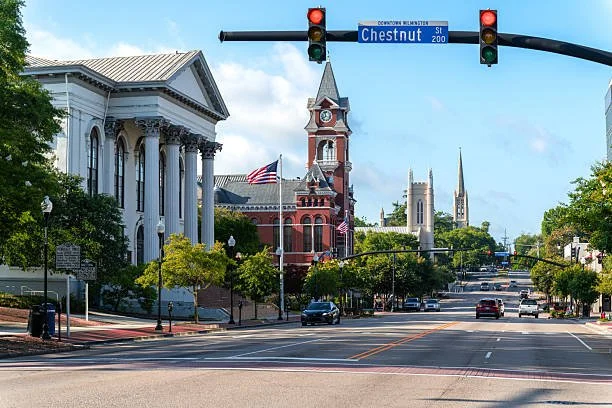
Trees and Structure Plants for Coastal Landscapes
Trees and structural plants provide shade, balance and long term value to your property.
The landscape images also highlight pine trees and ornamental plantings, which perform well in coastal North Carolina when properly installed. Pines tolerate sandy soils and wind exposure while adding height and definition to outdoor spaces.
Palmettos and Live Oaks are also iconic coastal trees. Once established, they are drought tolerant and resilient against coastal conditions, offering shade and longevity for Wilmington homes.
Seasonal Color and Flowering Accents
Seasonal flowers are an easy way to add color and warmth to patios, walkways and outdoor living spaces.
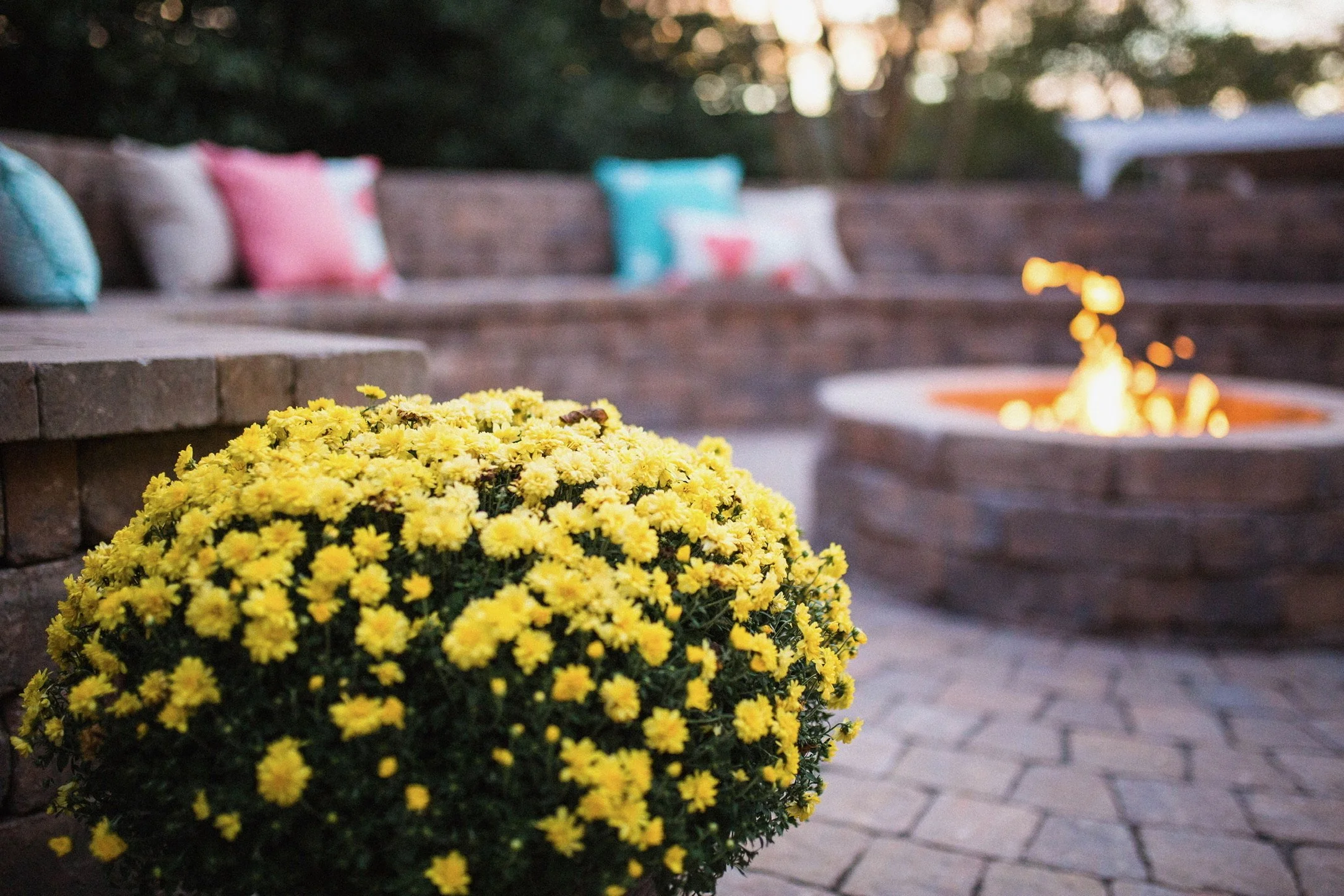
One featured image shows yellow chrysanthemums, a popular seasonal plant in Wilmington landscapes. Mums thrive in cooler months and are often used to add fall color near seating areas, hardscapes and entryways. Their dense blooms and compact shape make them ideal for decorative accents that elevate outdoor spaces.
Perennials such as Coreopsis, Lantana and Black Eyed Susan also perform exceptionally well in coastal conditions. These plants tolerate heat and humidity while providing long lasting color and attracting pollinators.
Ornamental Grasses for Texture and Movement
Ornamental grasses are essential for coastal landscaping because they tolerate wind, salt and poor soil while adding movement and visual interest.
The nighttime landscape photo highlights the use of grasses paired with lighting to create depth and texture. Muhly Grass, in particular, is a standout choice in Wilmington. It is drought tolerant, low maintenance and known for its soft plumes that add seasonal interest.
Fountain Grass and other ornamental grasses are often used along walkways, drainage areas and garden edges to soften hardscapes and tie the landscape together.
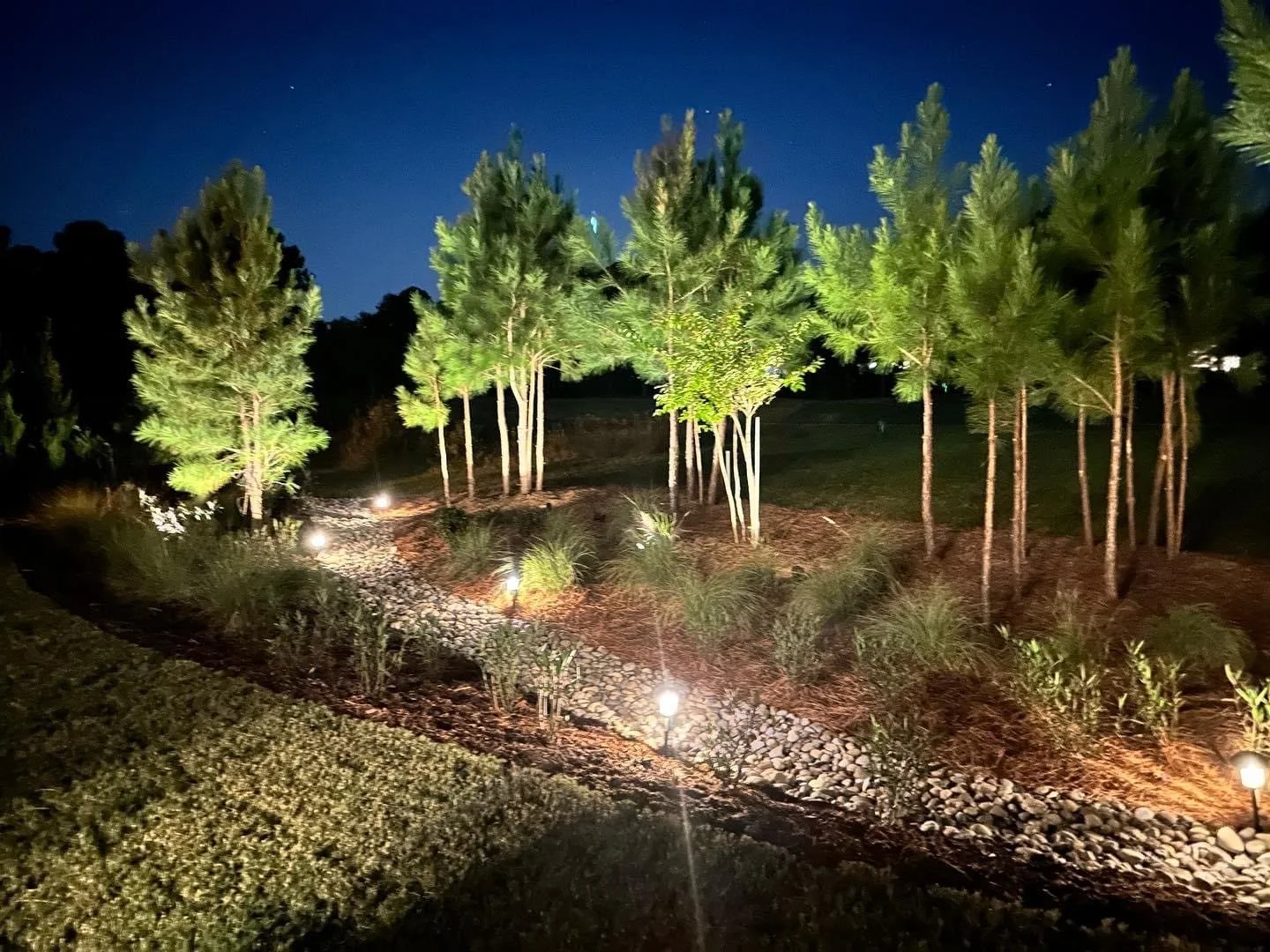
Groundcovers and Finishing Touches
Groundcovers help control erosion, suppress weeds and create a finished look in garden beds.
Asiatic Jasmine and Dwarf Mondo Grass both perform well in Wilmington’s climate and are commonly used under trees, along borders and along pathways.
Landscape lighting, as shown in the photos, plays a major role in coastal design. When paired with the right plants, lighting enhances safety while showcasing textures, trees and grasses after sunset.
Final Thoughts
Landscaping in Wilmington, NC does not have to be a struggle. When you choose plants that are naturally suited to our coastal environment, you create a landscape that is both beautiful and resilient.
The plants featured in these photos demonstrate how thoughtful plant selection, combined with proper design and lighting, can transform an outdoor space into something functional, inviting and built to last.
Whether you are starting from scratch or refreshing an existing yard, selecting plants that thrive in coastal conditions is the key to long term success and lasting curb appeal.