

When homeowners think about upgrading their outdoor spaces, hardscaping is often one of the most impactful improvements they can make. Patios, walkways, retaining walls, fire pits, outdoor kitchens, and driveways can completely transform the look, function, and value of a property. A well-designed hardscape creates usable space, improves curb appeal, and adds structure to a yard in a way that landscaping alone cannot achieve.
However, before any pavers are laid, concrete is poured, or stone is installed. There is one step that is often overlooked but absolutely essential: evaluating and preparing the soil beneath the project.
The truth is simple-no matter how high-quality the materials are or how beautiful the design is; a hardscape is only as strong as the ground it sits on. Soil is the foundation of every outdoor structure, and if it is not properly assessed and prepared, problems will eventually appear.
In coastal North Carolina especially, where soil conditions vary widely and heavy rainfall is common, this step becomes even more critical for long-term success.
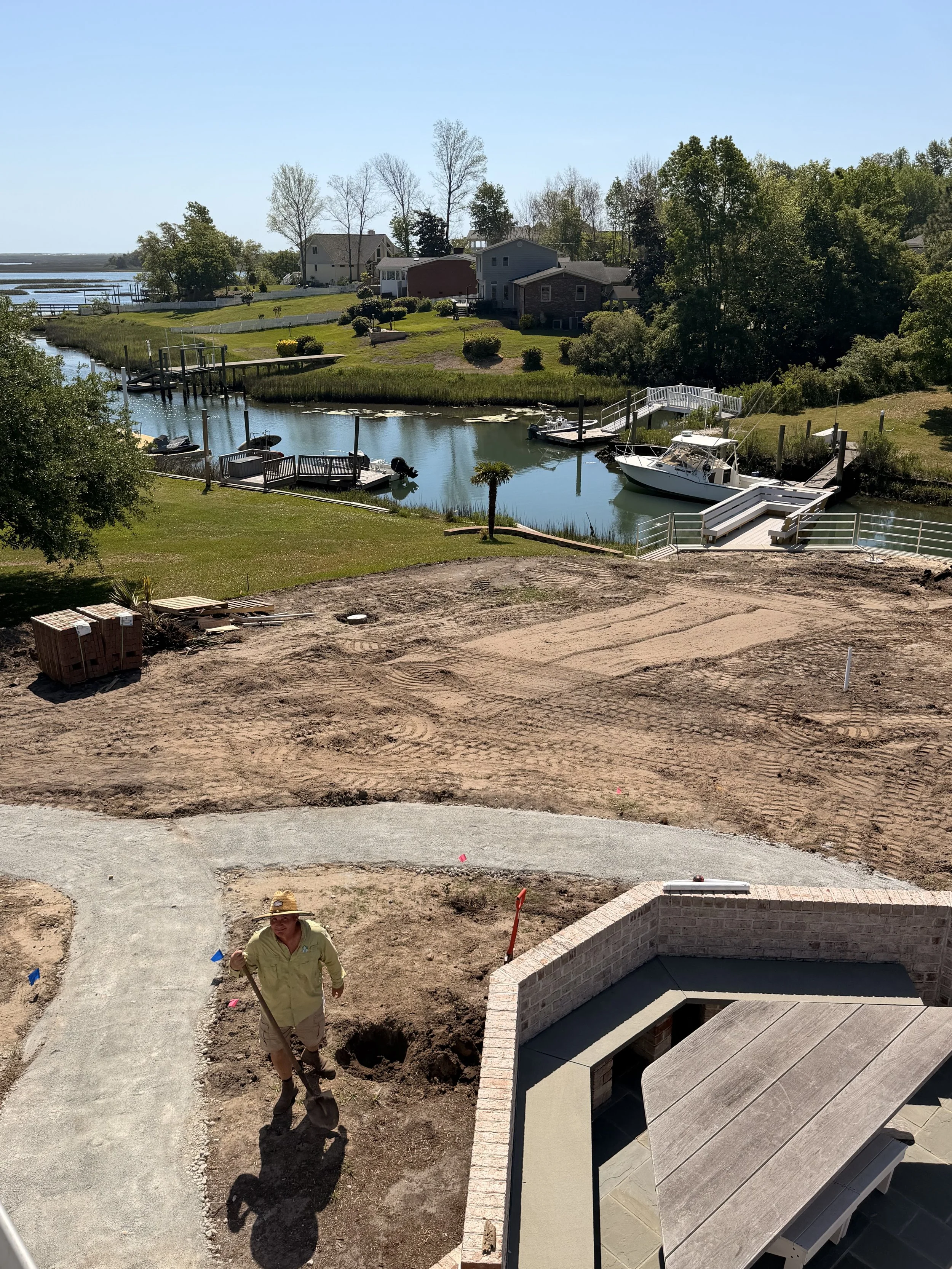
Why Soil Matters for Hardscaping
Hardscapes are not lightweight features. Even a simple paver patio involves thousands of pounds of material distributed across the ground. Retaining walls, driveways, and outdoor kitchens place even more pressure on the soil beneath them.
If that soil is loose, sandy, overly saturated, or improperly compacted, it will shift over time. When the ground moves, everything built on top of it moves as well.
A proper soil evaluation helps determine:
Whether the ground is stable enough to support the structure
How water naturally drains through the property
If grading adjustments are needed before installation
Whether additional base materials like gravel or stone are required
How to prevent future settling or shifting
Without this evaluation, even professionally installed hardscapes can begin to fail prematurely.
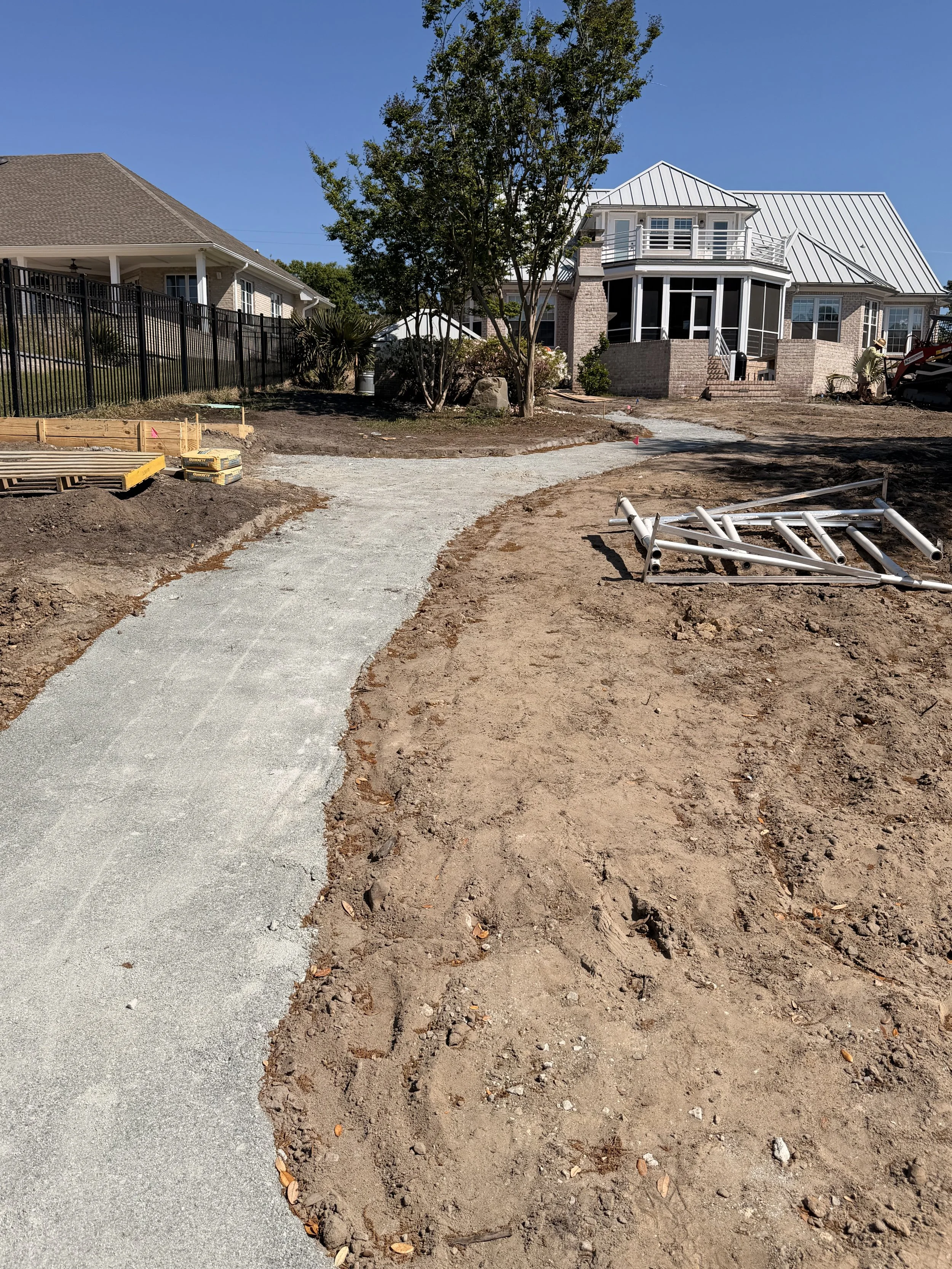
What Happens When Soil Is Not Properly Prepared
Many homeowners assume that hardscape problems are caused by poor installation or low-quality materials. In reality, most issues start underneath the surface.
One of the most common problems is sinking or uneven pavers. This occurs when soil beneath the patio was not compacted correctly or continues to settle after installation. Over time, the surface becomes uneven and unsafe, often requiring costly repairs or full reinstallation.
Cracking concrete is another frequent issue. When the soil beneath a slab shift or expands due to moisture changes, the rigid surface above it cannot move with it, resulting in cracks.
Water pooling is also a major concern. If soil does not drain properly, water can collect around patios, walkways, and retaining walls. This not only creates slippery conditions but can also accelerate erosion and damage surrounding landscaping.
Retaining walls are especially vulnerable. These structures rely heavily on both soil stability and proper drainage behind the wall. If water becomes trapped or pressure builds in the soil, walls can begin to lean, bulge, or fail entirely.
Even smaller issues, like weeds growing between pavers or edges breaking down, can often be traced back to inadequate soil preparation.
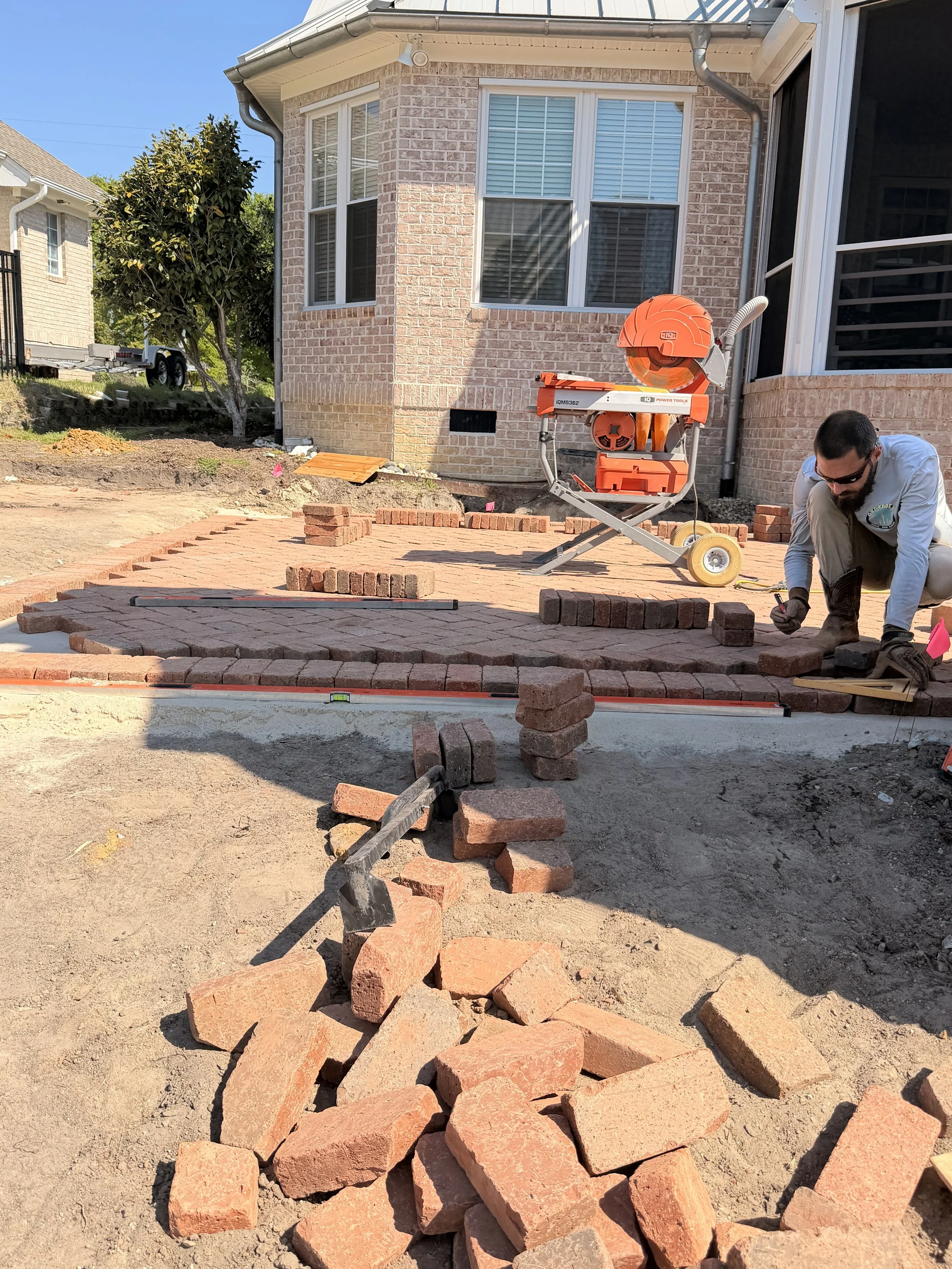
Coastal North Carolina Soil Conditions
In coastal areas such as Wilmington and surrounding communities, soil conditions are rarely consistent from property to property. This makes proper evaluation even more important before starting any hardscape project.
Some properties contain loose, sandy soil that drains quickly but lacks stability. Others may have dense clay layers that hold water and become overly saturated during heavy rain. Many areas experience a combination of both, which creates unpredictable drainage patterns.
On top of that, coastal North Carolina experiences frequent rain events, hurricanes, and seasonal flooding risks. These environmental factors put additional stress on outdoor structures.
Because of this, hardscapes in coastal regions must be designed with both drainage and soil stability in mind from the very beginning. Ignoring these conditions often leads to premature failure and ongoing maintenance issues.
The Soil Evaluation Process
A professional landscaping company does not begin a hardscape project without first understanding what is happening beneath the surface.
The process typically starts with assessing soil stability. This involves determining whether the ground can safely support the weight of the proposed structure without excessive shifting or settling.
Next, drainage patterns are evaluated. Professionals look at how water flows across the property during and after rainfall. This step helps identify low points, runoff paths, and areas where water may collect.
Grading is also a key factor. Even slight changes in slope can dramatically affect how water moves across a yard. Proper grading ensures water flows away from structures rather than toward them.
Soil compaction is another critical step. Before any base material is installed, the soil is compacted to reduce air pockets and improve long-term stability. Without this step, the ground may continue settling long after the project is complete.
Finally, base materials such as crushed stone or gravel are often added depending on soil type and project requirements. These layers help distribute weight evenly and improve drainage beneath the hardscape.
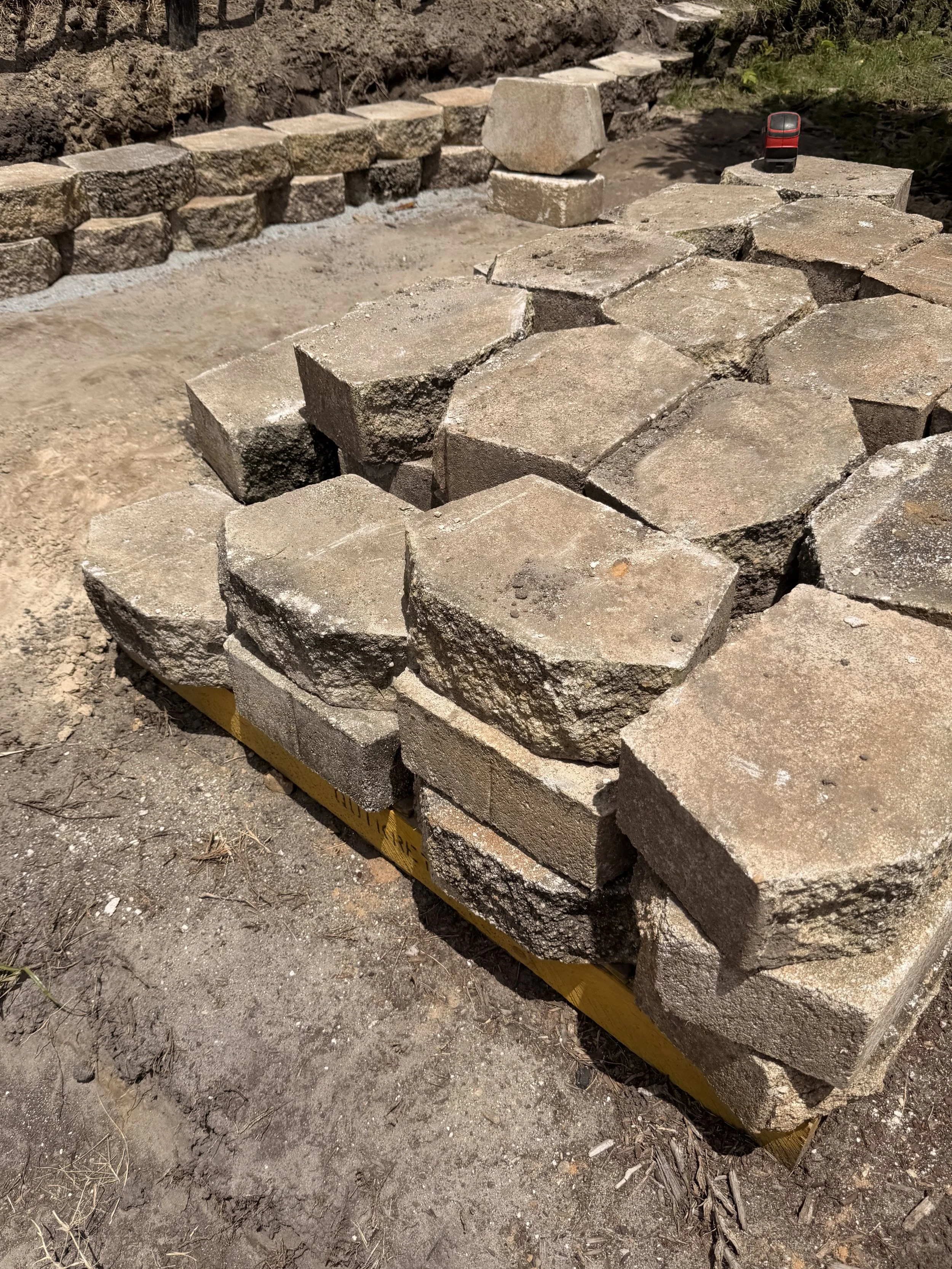
Why Proper Preparation Saves Money Long-Term
While soil evaluation and preparation may not be the most visible part of a hardscape project, it is one of the most important investments a homeowner can make.
Skipping this step may seem like a way to save time or money upfront, but it often leads to significantly higher costs later. Repairs for sinking patios, failing retaining walls, or drainage issues can be expensive and disruptive.
On the other hand, properly prepared soil helps ensure:
Longer-lasting installations
Fewer maintenance issues
Better drainage performance
Reduced risk of structural failure
Improved appearance over time
In other words, the foundation determines the lifespan of the entire project.
Hardscapes Start Below the Surface
One of the most overlooked truths in landscaping is that the most important work is often invisible. While homeowners see the finished patio, walkway, or outdoor living space, the real strength of the project comes from what lies underneath.
A well-prepared soil base is what allows hardscapes to remain level, stable, and functional for years. It is what prevents shifting after heavy rain and what protects the investment long after installation is complete.
Without it, even the most expensive materials will eventually fail.
Final Thoughts
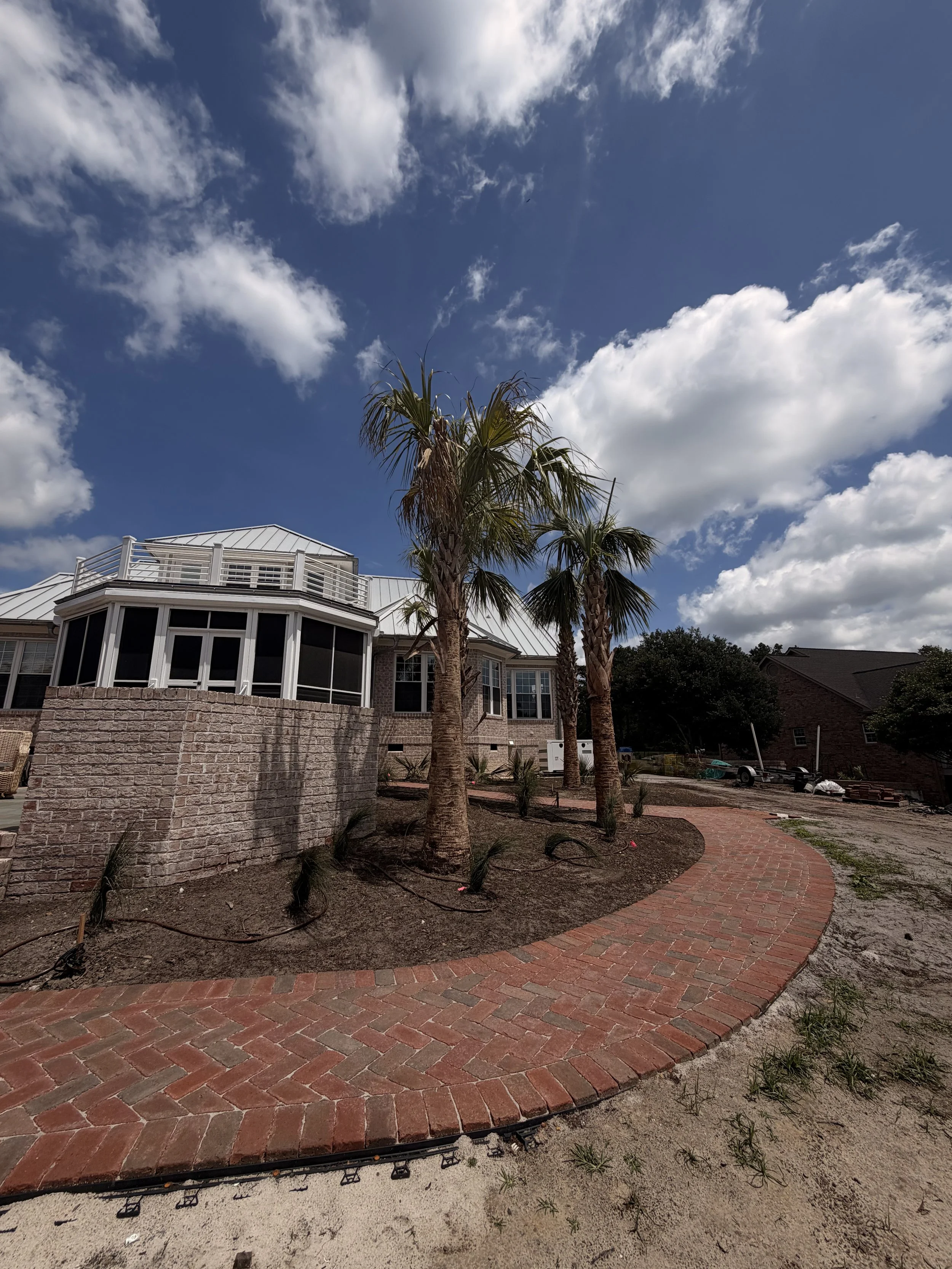
Hardscaping is one of the best ways to enhance outdoor living spaces and increase property value, but successful results depend on more than design and materials alone. Proper soil evaluation and preparation are essential steps that should never be skipped.
In coastal North Carolina, where soil conditions and weather patterns create additional challenges, this process becomes even more important. Understanding how the ground behaves beneath a property allows landscaping professionals to build stronger, longer-lasting outdoor spaces.
A beautiful hardscape is not just built on the surface-it is built from the ground up. When the soil is properly checked and prepared, everything above it has a stronger foundation to stand on for years to come.
Here at Green Side Up! Of Wilmington, we can help with all the prep from giving you a contact to the right soil evaluator to installing the perfect hardscape.