

Living in Wilmington or around the south eastern North Carolina area means enjoying coastal beauty, but it also comes with one challenge many homeowners know all too well… heavy seasonal rain.
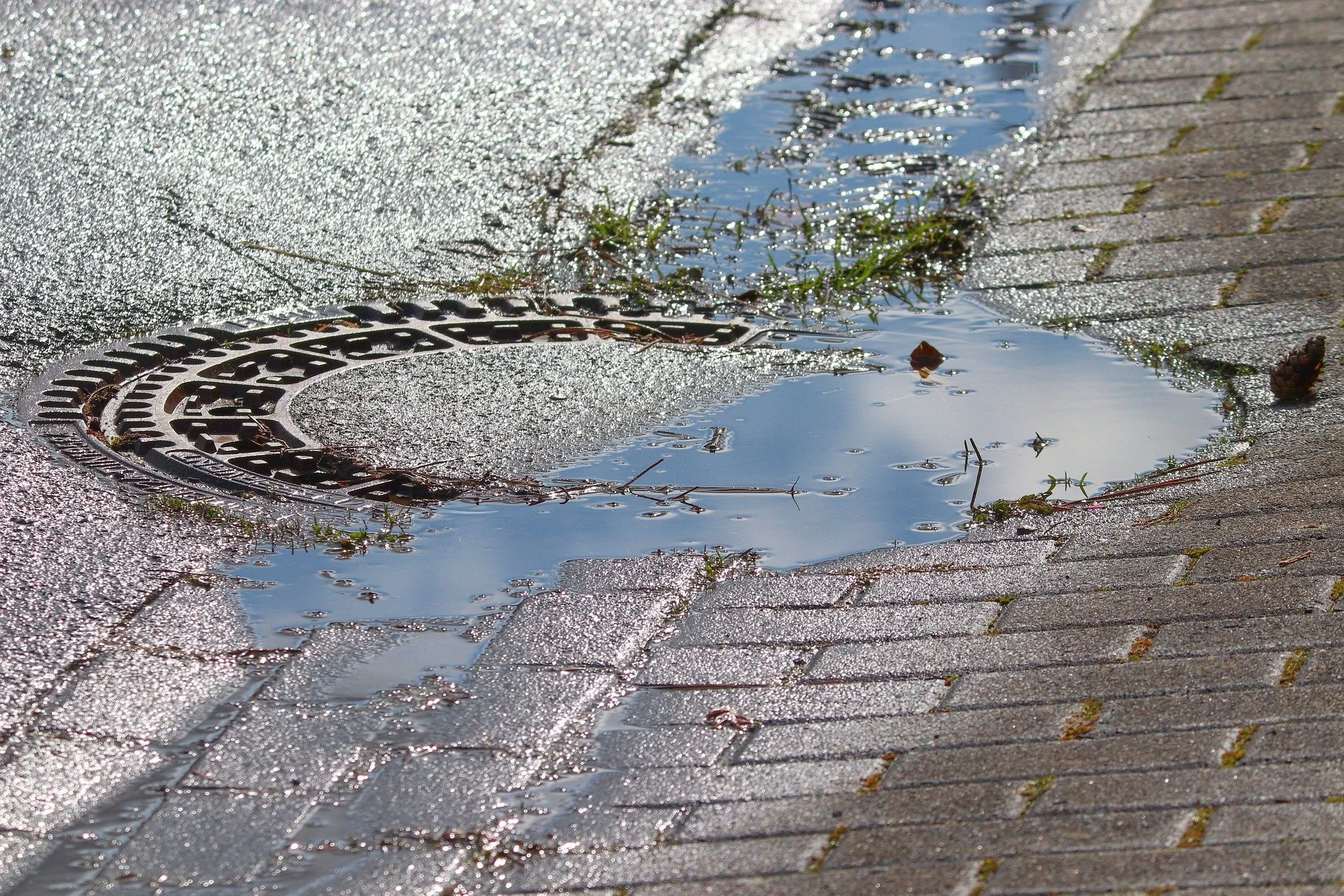
As the seasons change, especially from summer into fall and winter into spring, rainfall can become intense and frequent. When your yard is not properly prepared, that water has nowhere to go. The result is standing water, soggy lawns, plant damage, and even potential issues near your home’s foundation.
The good news is that with the right planning and landscaping solutions, you can prevent flooding and protect your yard year-round.
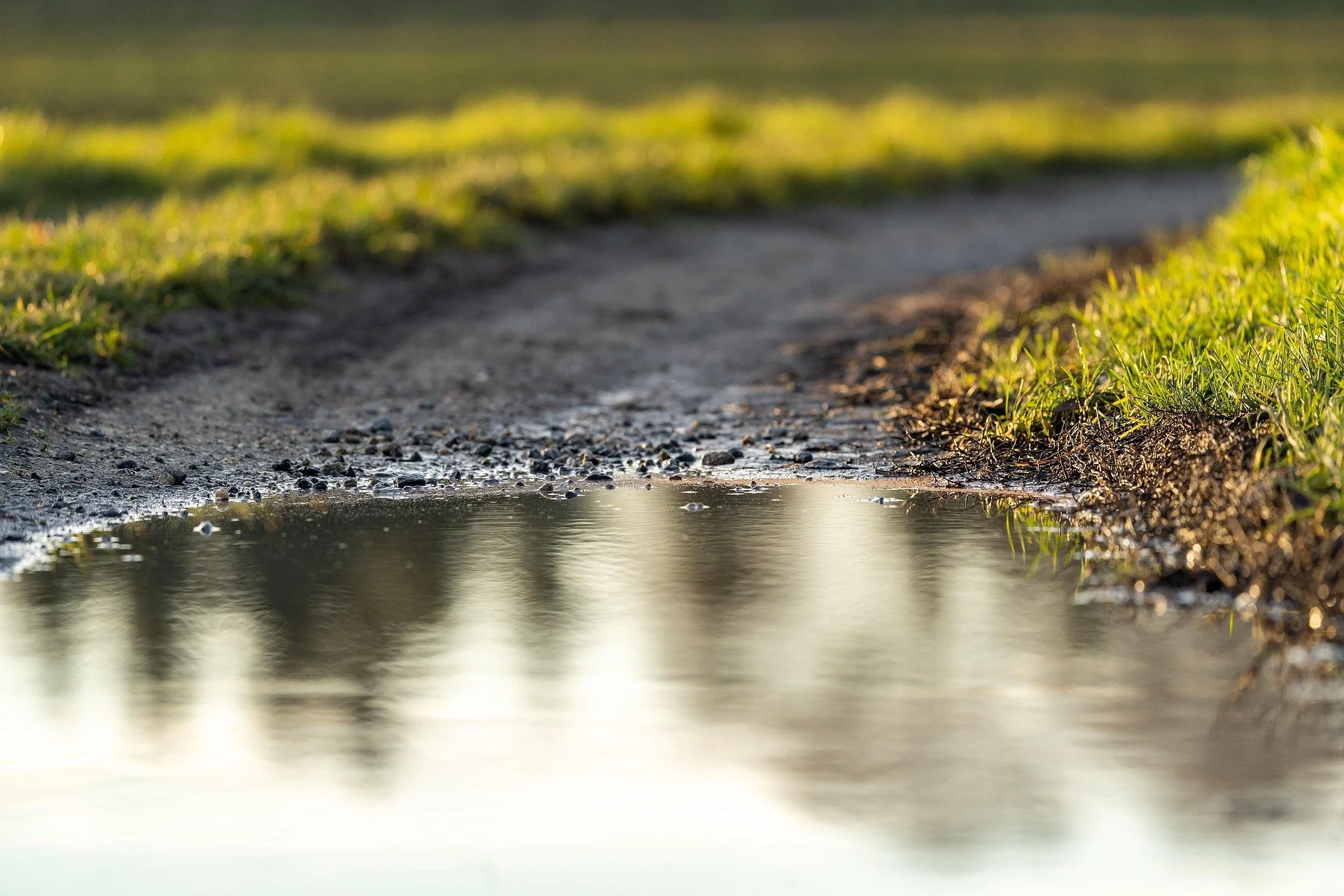
Why Yards Flood in Coastal Areas
Wilmington’s location near the coast plays a major role in drainage challenges. The soil in this area is often a mix of sand and clay, which can either drain too quickly or not enough depending on conditions. Combined with flat terrain and sudden downpours, water can build up fast.
Other common causes of yard flooding include poor grading, compacted soil, and a lack of proper drainage systems. Even a beautifully designed yard can struggle if water flow is not considered from the start.
Start with Proper Grading
One of the most important ways to prevent flooding is ensuring your yard is graded correctly. Grading simply means shaping the land so water flows away from your home instead of toward it.
If your yard has low spots or slopes toward your foundation, water will naturally collect in those areas. Over time, this can lead to pooling, erosion, and even structural issues.
A properly graded yard gently directs water away from the home and toward designated drainage areas, creating a strong foundation for everything else in your landscape.
Improve Drainage Where It Matters Most
In many cases, grading alone is not enough. That is where drainage solutions come in. There are several effective options homeowners can use, depending on their yard and specific problem areas:
• French drains that redirect water underground
• Catch basins that collect and move excess water
• Downspout extensions that carry roof runoff away from the home
These systems work together to control water flow and prevent it from sitting in unwanted areas.
Choose the Right Plants for Wet Conditions
Landscaping can play a bigger role in drainage than most people realize. Certain plants naturally absorb more water and can help manage excess moisture in your yard.
In areas that tend to stay wet, choosing the right plants can make a noticeable difference. Native and water-tolerant plants are especially effective because they are already adapted to local conditions.
Incorporating these plants into low spots or along drainage paths helps reduce pooling while still maintaining a beautiful landscape.
Consider a Rain Garden
A rain garden is one of the most effective and visually appealing ways to manage excess water. It is a shallow, landscaped area designed to collect and absorb rainwater runoff.
Instead of allowing water to pool randomly across your yard, a rain garden gives it a designated place to go. Over time, the water slowly filters into the soil, reducing runoff and preventing erosion.
Rain gardens also add a natural, layered look to your landscape and can attract pollinators, making them both functional and visually appealing.
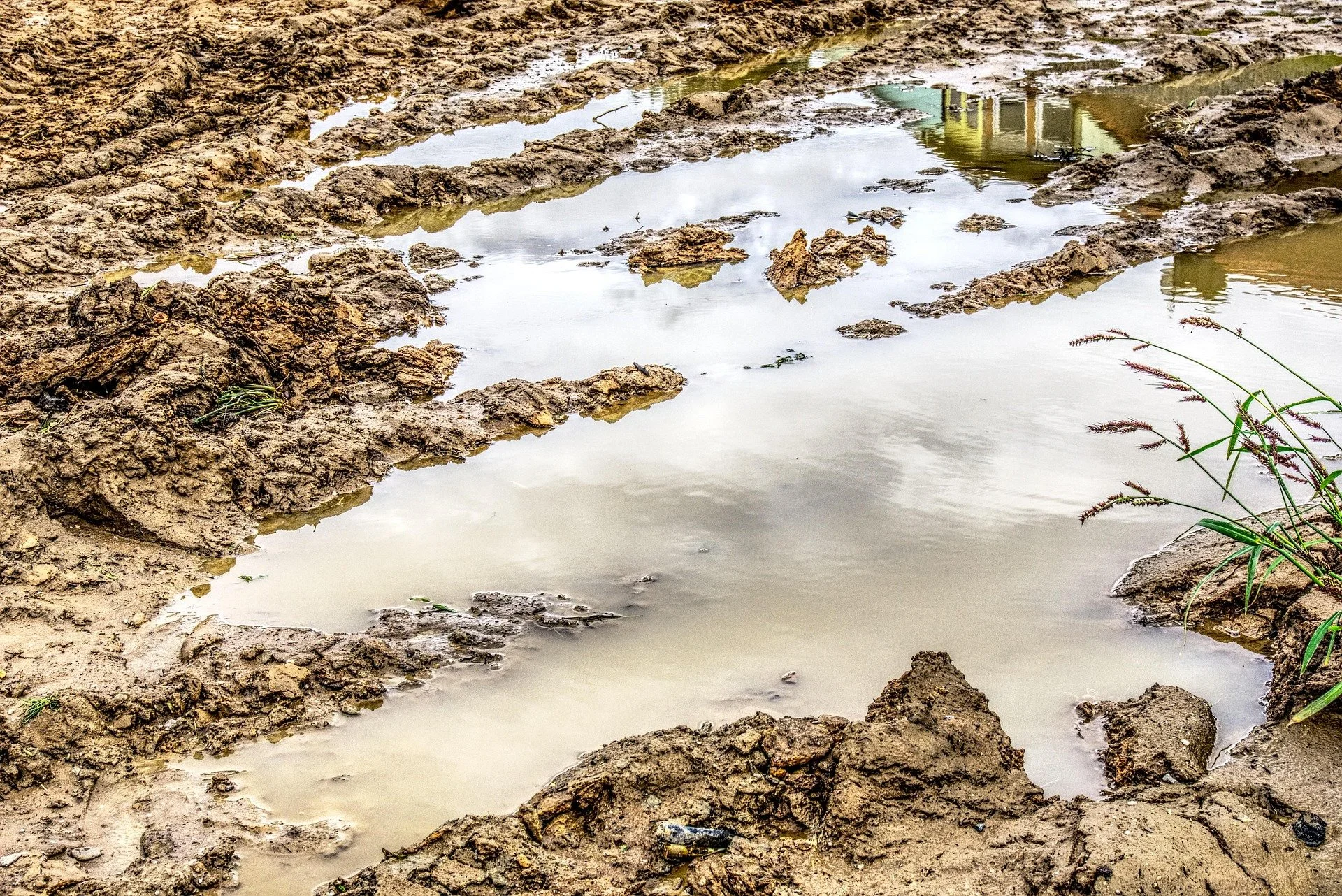
Prevent Soil Compaction
Compacted soil is one of the most overlooked causes of drainage issues. When soil becomes too dense, water cannot properly soak in, leading to runoff and pooling.
This often happens in high-traffic areas or lawns that have not been properly maintained.
Simple solutions like aeration can help loosen the soil and improve water absorption. Over time, this allows rainwater to soak into the ground more effectively instead of sitting on the surface.
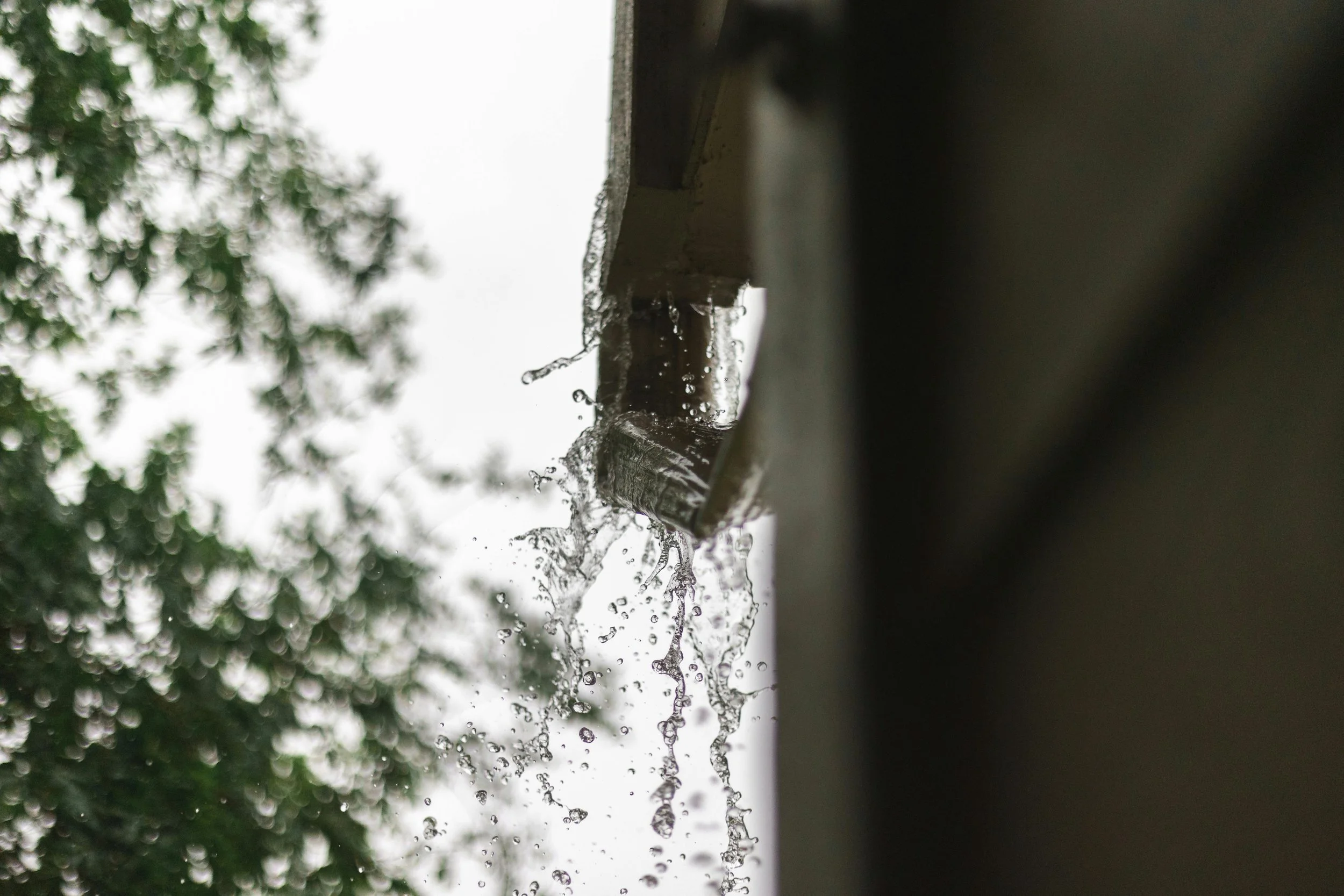
Keep Gutters and Downspouts in Check
Your yard’s drainage system starts at your roof. When gutters and downspouts are not functioning properly, water can overflow and collect around your home.
Making sure gutters are clear and downspouts direct water away from the foundation is a simple but important step in preventing flooding.
Extending downspouts even a few feet away from your home can significantly reduce the amount of water that ends up in your yard.
Quick Ways to Reduce Yard Flooding
If you are starting to notice water issues, a few small changes can make an immediate impact:
• Fill in low spots where water tends to collect
• Add mulch to garden beds to help absorb moisture
• Redirect downspouts away from problem areas
While these fixes may not solve larger drainage issues, they can help reduce the impact of heavy rainfall in the short term.
Why Prevention Matters
Flooding is not just an inconvenience. Over time, excess water can damage your lawn, kill plants, attract pests, and even affect your home’s foundation.
Addressing drainage early helps protect your investment and keeps your outdoor space functional and enjoyable throughout the year.
In a place like Wilmington, where seasonal rain is part of the climate, planning for proper drainage is not optional. It is essential.
Creating a Yard That Works With the Weather
The best landscapes are designed to work with the environment, not against it. By understanding how water moves through your yard and putting the right systems in place, you can prevent flooding before it becomes a problem.
From grading and drainage solutions to plant selection and soil care, each element plays a role in creating a yard that can handle heavy rain with ease.
Need Help Solving Drainage Issues?
If your yard struggles with standing water or poor drainage, working with a local expert can make all the difference. At Green Side Up! Of Wilmington, we design landscapes that are not only beautiful but built to handle Wilmington’s coastal conditions.
From custom drainage solutions to full landscape planning, our team can help you protect your yard and create an outdoor space that stays functional in every season.