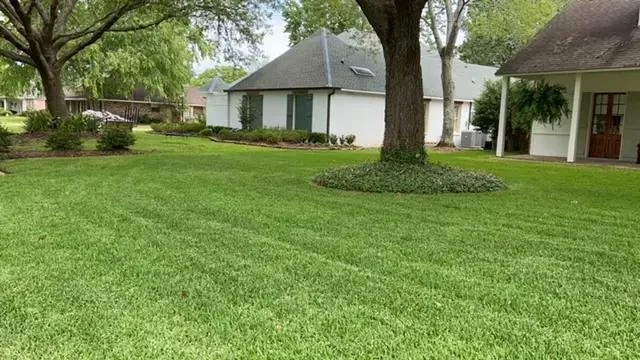
One of the most common questions we hear at Green Side Up! of Wilmington is, "What type of sod is best for shade?" It's a great question, but the answer isn't as simple as choosing a grass labeled "shade tolerant." While some sod varieties perform better than others in lower light conditions, the reality is that growing a healthy lawn in the shade is one of the biggest landscaping challenges homeowners face in southeastern North Carolina.
Many properties throughout the Wilmington area are surrounded by beautiful mature live oaks, pines, and hardwood trees. These trees provide welcome shade during the hot summer months, but they also reduce the amount of sunlight that reaches your lawn. If you've noticed thin patches of grass, bare spots, or weeds taking over beneath trees or along the shaded side of your home, you're certainly not alone.
The good news is that there are grasses better suited for partial shade than others. The important thing to remember, however, is that no sod can thrive without adequate sunlight. Understanding how shade affects your lawn will help you choose the right grass and set realistic expectations for long-term success.
Why Is Shade So Hard on Grass?
Grass relies on sunlight to produce energy through photosynthesis. Without enough light, it cannot create the energy needed to grow strong roots or maintain healthy, green blades. As the amount of sunlight decreases, the grass becomes weaker and more vulnerable to stress.
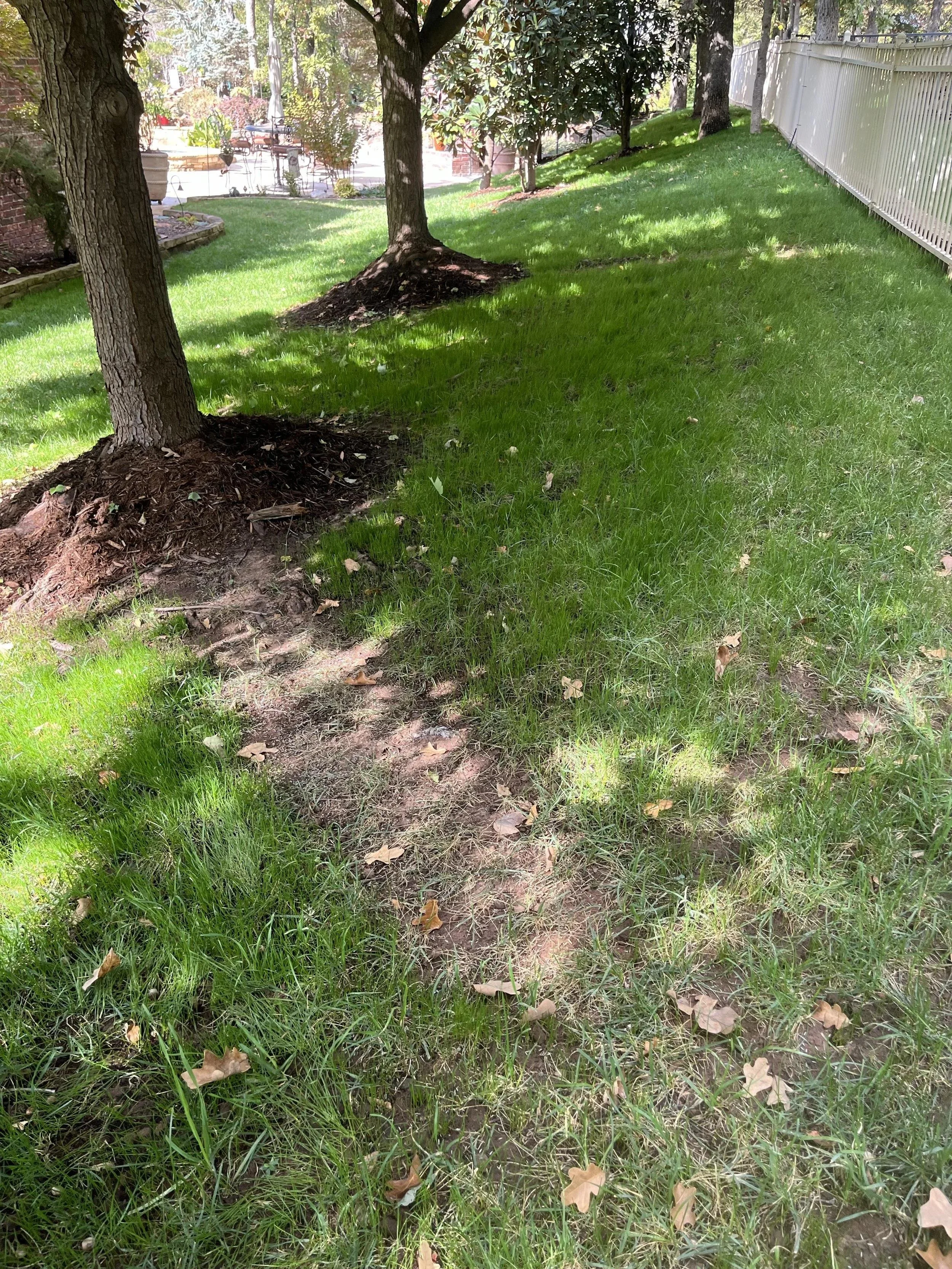
In the Wilmington area, most warm-season grasses require approximately six hours of direct sunlight each day to remain healthy. Lawns that receive less than that often begin to struggle. Instead of thick, lush turf, homeowners may notice grass becoming thin, uneven, or slow to recover from normal wear and tear.
Shade also creates other challenges. Areas beneath trees tend to stay damp longer after rain or irrigation, reducing air circulation around the grass. This extra moisture can increase the likelihood of lawn diseases, while tree roots compete with turf for water and nutrients below the surface. Even with proper watering and fertilization, these shaded conditions make it difficult for grass to establish itself.
Many homeowners assume adding more fertilizer or watering more frequently will solve the problem. Unfortunately, sunlight is the one thing you simply can't replace.
The Best Sod for Partial Shade
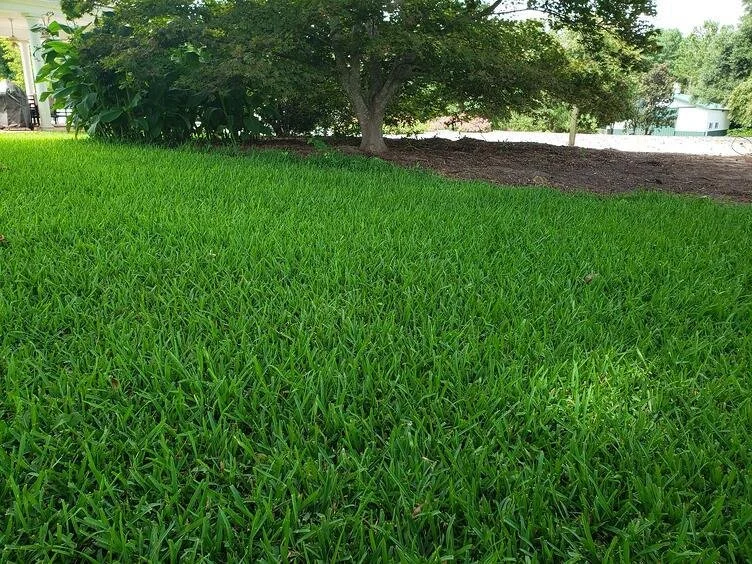
If your lawn receives several hours of direct sunlight but also experiences periods of shade throughout the day, St. Augustine grass is generally considered the best choice for our area.
Among the warm-season grasses commonly grown in coastal North Carolina, St. Augustine offers the greatest tolerance for shade. Its broad leaf blades allow it to capture available sunlight more efficiently than finer-bladed grasses such as Bermuda, making it better suited for yards with filtered sunlight or afternoon shade.
St. Augustine also creates a dense, attractive lawn with a rich green color that complements many Wilmington landscapes. Once established, it performs well in the warm temperatures and humidity that characterize our coastal climate.
However, it's important to understand that shade tolerant does not mean shade loving. Even St. Augustine still needs around six hours of direct sunlight every day to remain healthy. If an area spends nearly the entire day beneath dense tree cover or in the shadow of a building, the grass will eventually begin to thin no matter how well it is maintained.
How Does It Compare to Other Sod Varieties?
Many homeowners ask whether another type of sod might perform better in shady areas. While several grasses are popular throughout North Carolina, each has its strengths and limitations.
Bermuda grass is an excellent choice for properties with abundant sunshine. It grows quickly, recovers well from foot traffic, and creates a durable lawn. However, Bermuda requires full sun and is one of the least shade-tolerant warm-season grasses available. In shaded conditions, it often becomes sparse and weak.
Zoysia grass provides moderate shade tolerance and can perform reasonably well in areas with filtered sunlight. It develops a dense lawn and offers excellent durability, but it still prefers sunny conditions and generally won't perform as well as St. Augustine where shade becomes more significant.
Centipede grass remains a popular option because it requires relatively little maintenance compared to other turf varieties. Although it tolerates some shade, it often becomes thin beneath mature tree canopies and usually struggles when sunlight is consistently limited.
For lawns that receive partial shade while still getting enough daily sunlight, St. Augustine continues to be the strongest choice for homeowners throughout the Wilmington area.
When Sod May Not Be the Best Solution
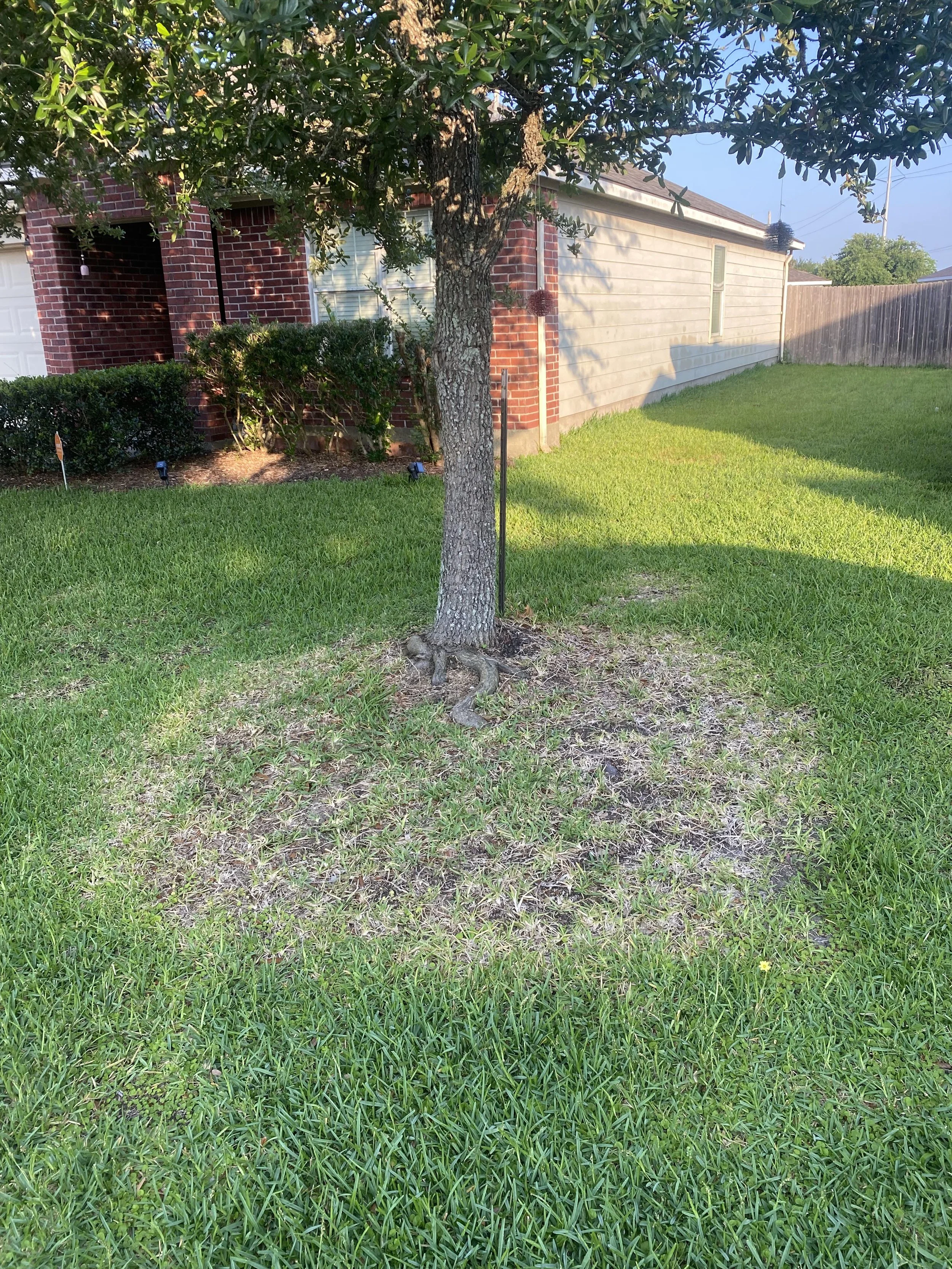
Sometimes the issue isn't selecting the wrong type of grass. Sometimes the location simply doesn't receive enough sunlight for any turfgrass to survive.
If you've replaced sod multiple times in the same shaded area only to watch it disappear again, the problem is likely the environment rather than the grass itself.
In these situations, forcing grass to grow often becomes an ongoing cycle of frustration and unnecessary expense. Instead, it may be worth considering a different landscape design for those heavily shaded spaces.
Landscape beds filled with shade-tolerant ornamental plants and fresh mulch can transform difficult areas into beautiful focal points while reducing maintenance and improving the overall appearance of your property. Rather than constantly battling nature, working with the conditions your yard provides often creates a healthier and more sustainable landscape.
A professional landscaping company can help determine whether installing sod is the best investment or whether another design solution would better serve your property.
Helping Your Lawn Perform Its Best
If your yard receives enough sunlight for St. Augustine, proper maintenance can make a noticeable difference in how well your lawn performs.
Regularly pruning tree canopies allows more sunlight and airflow to reach the grass below. Mowing at the recommended height encourages deeper root growth while allowing the blades to capture as much sunlight as possible. Avoiding unnecessary foot traffic in shaded sections also helps reduce stress on turf that is already working harder to survive.
It's equally important to water appropriately. Since shaded lawns tend to stay moist longer than areas in full sun, overwatering can create additional problems. Watering only when needed encourages healthier roots and helps minimize disease issues.
Although these maintenance practices cannot overcome deep shade, they can significantly improve the health and longevity of grass growing in partially shaded conditions.
Every Property Is Different
Every landscape has its own unique combination of sunlight, drainage, soil conditions, and existing trees. Two neighboring homes can have completely different growing conditions depending on the orientation of the house and the amount of tree cover surrounding the property.
That's why choosing the right sod should never be based solely on what worked for someone else. Evaluating how much sunlight your lawn actually receives is one of the most important steps before installing new grass.
If your lawn receives around six hours of direct sunlight each day, St. Augustine is generally the best choice for shaded areas in coastal North Carolina. If it receives significantly less than that, alternative landscape solutions will often provide better long-term results than repeatedly replacing struggling sod.
Let Green Side Up! of Wilmington Help
At Green Side Up! of Wilmington, we understand that every yard is different. Our team takes the time to evaluate your property's sunlight, drainage, soil conditions, and overall landscape before recommending the best solution for your lawn.
For most partially shaded properties in the Wilmington area, St. Augustine grass offers the best shade tolerance of the warm-season sod varieties commonly grown in our region. However, even the best grass cannot overcome a lack of sunlight. Choosing the right sod, and knowing when another landscape solution is the better investment- can save you time, money, and frustration for years to come.
Whether you're installing a new lawn, replacing struggling grass, or redesigning shaded areas of your landscape, Green Side Up! of Wilmington is here to help. Contact our team today to schedule a consultation and let us create a landscape that's designed to thrive in your property's unique conditions.